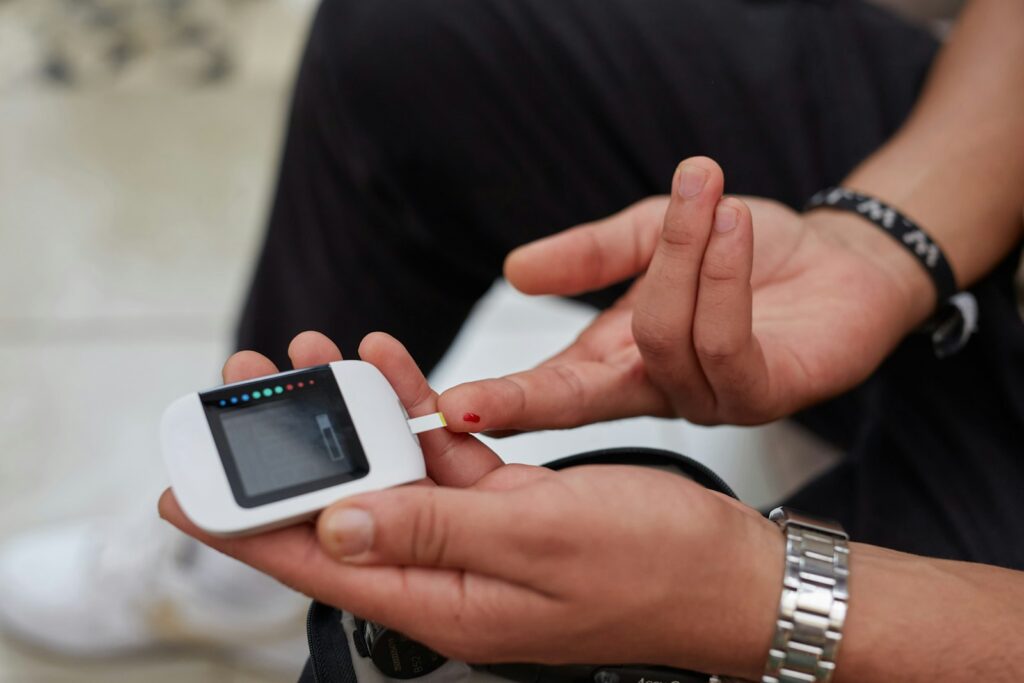
A blood sugar reading is one of the most common numbers in American health care, yet many people only think about it once a year, at their annual physical. Understanding what the number actually measures, and what raises or lowers it day to day, makes those lab results far more useful and can help you spot patterns worth discussing with a doctor.
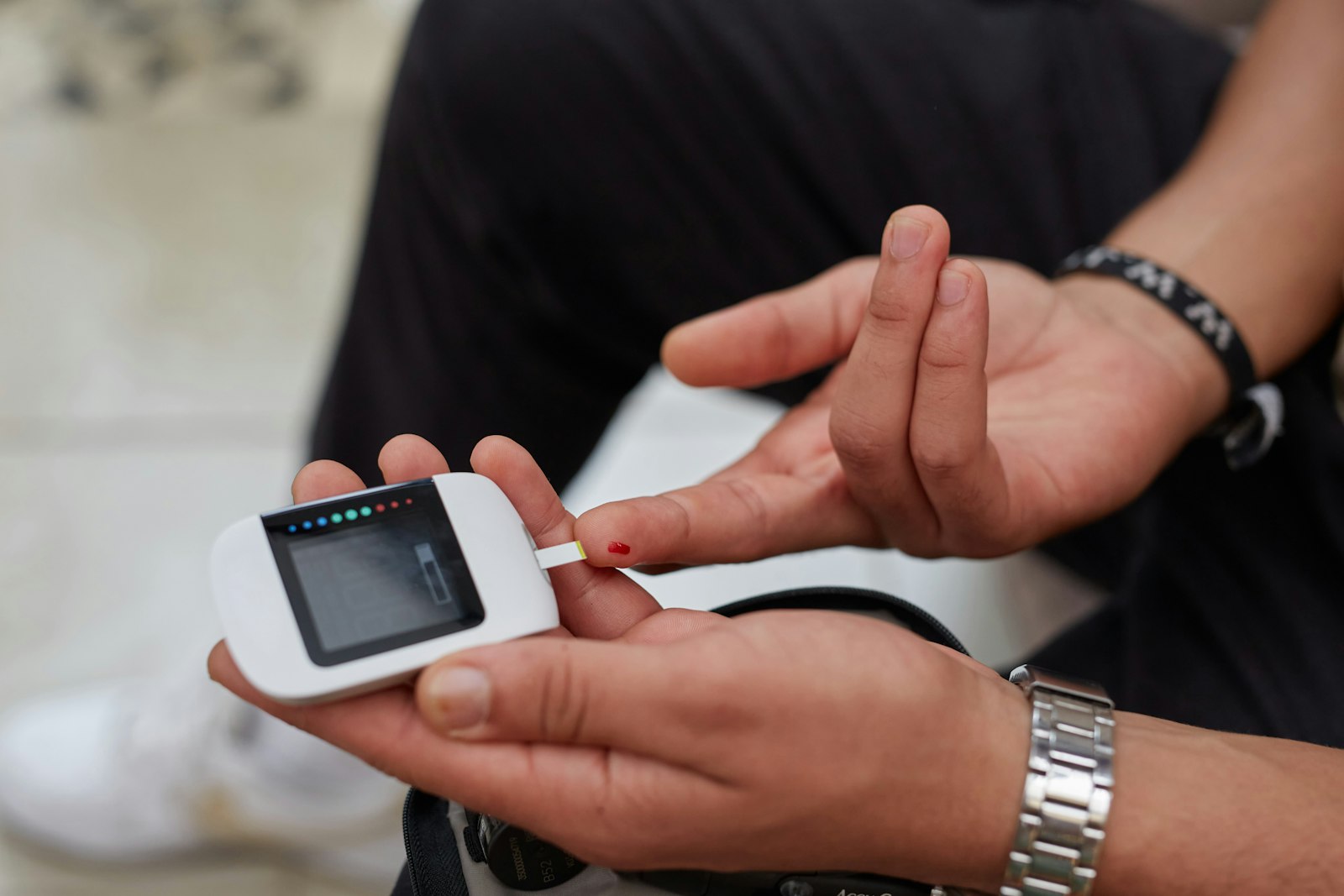
What “Blood Sugar” Actually Measures
Blood sugar, or blood glucose, is the amount of glucose circulating in your bloodstream at a given moment. Glucose comes primarily from the carbohydrates you eat, and it is your body’s main energy source. The hormone insulin, made by the pancreas, helps move glucose out of the blood and into cells, which is why blood sugar naturally rises after meals and settles back down over the following hours. If you want a deeper look at the lab report this number usually comes from, our guide to reading blood glucose units and our A1C-to-average-glucose explainer cover the mechanics in more detail.
What the Numbers Actually Mean
According to the American Diabetes Association, blood sugar results generally fall into one of three categories, depending on which test was used:
| Test | Normal | Prediabetes | Diabetes |
|---|---|---|---|
| Fasting blood glucose | Below 100 mg/dL | 100–125 mg/dL | 126 mg/dL or higher |
| 2-hour post-meal (oral glucose tolerance test) | Below 140 mg/dL | 140–199 mg/dL | 200 mg/dL or higher |
| A1C (3-month average) | Below 5.7% | 5.7%–6.4% | 6.5% or higher |
These thresholds are general reference points, not a diagnosis. A single reading in the prediabetes range does not automatically mean you have prediabetes, and a healthcare provider will usually confirm results with a repeat test before making any diagnosis. For a broader sense of how this fits into a full lab panel, see our guide to reading your annual bloodwork.
What Raises Blood Sugar
- Carbohydrate-heavy meals, especially refined grains, sugary drinks, and large portions eaten quickly, cause the sharpest short-term rises.
- Stress and poor sleep raise cortisol and other stress hormones, which can push blood sugar up even without eating.
- Inactivity means muscles use less glucose for fuel, so more stays in the bloodstream.
- Illness or infection commonly raises blood sugar temporarily, even in people without diabetes.
- Certain medications, including some steroids and other prescriptions, can raise blood sugar as a side effect.
What Helps Keep Blood Sugar Steady
- Pairing carbohydrates with protein, fiber, or fat slows digestion and blunts sharp spikes.
- Regular physical activity, including a short walk after meals, helps muscles take up glucose more efficiently.
- Consistent meal timing avoids the extreme swings that can come from skipping meals and then overeating later; our piece on whether meal timing actually matters for metabolism looks at the evidence in more depth.
- Adequate sleep supports normal insulin sensitivity; poor sleep has repeatedly been linked to higher blood sugar the next day.
- Staying hydrated supports normal kidney function, which plays a role in regulating glucose.
For concrete between-meal choices that follow this pattern, see our guide to healthy snacks for stable blood sugar.
Why It Matters Beyond a Diabetes Diagnosis
Blood sugar that runs consistently on the higher end of normal, even without crossing into prediabetes or diabetes, has been associated in research with increased long-term cardiovascular risk. That does not mean every slightly elevated reading is cause for alarm, but it is one more reason blood sugar is tracked as part of routine preventive care, alongside other preventive health screenings.
When to Talk to a Healthcare Professional
Reach out to a doctor if you notice symptoms like unusual thirst, frequent urination, unexplained fatigue, or blurred vision, or if a lab result comes back in the prediabetes or diabetes range. These symptoms and results warrant a professional evaluation rather than self-diagnosis, and a healthcare provider can recommend the right follow-up testing and next steps for your individual situation.
Frequently Asked Questions
Can blood sugar be normal in the morning but high after meals?
Yes. Fasting glucose and post-meal glucose measure different things, and it is possible for one to be normal while the other runs higher, which is part of why both tests exist.
Does stress alone raise blood sugar without eating anything?
It can. Stress hormones like cortisol and adrenaline signal the liver to release stored glucose, which is a normal short-term response, but chronic stress can contribute to persistently higher readings over time.
Is a home glucose meter as accurate as a lab test?
Home meters are generally reliable for tracking trends but can vary somewhat from lab results due to testing conditions and device calibration. Lab tests, ordered by a healthcare provider, remain the standard for diagnosis.
The Bottom Line
Blood sugar reflects a mix of what you eat, how active you are, how well you sleep, and how much stress your body is under. Knowing the normal, prediabetes, and diabetes ranges helps you make sense of a lab report, but a single number is only part of the picture. If your results are anything other than clearly normal, the most useful next step is a conversation with a healthcare professional who can look at your full history.
Sources
- American Diabetes Association — Diagnosis Standards of Care
- Centers for Disease Control and Prevention — National Diabetes Prevention Program
- MedlinePlus (U.S. National Library of Medicine) — Blood Glucose Test
