
The Ideal Sleep Environment: Temperature, Light, and Noise, Explained
The short answer: the sleep environment research points to is cool, dark, and quiet: a bedroom temperature around 60 to
The short answer: the sleep environment research points to is cool, dark, and quiet: a bedroom temperature around 60 to

The short answer: the snacks least likely to spike and crash your blood sugar are the ones that pair a

A USDA-sourced list of high-protein foods, from chicken and Greek yogurt to lentils and tofu, with practical tips for hitting a daily target.

What the research actually shows about eating for healthier LDL, HDL, and triglyceride numbers, beyond the outdated advice you may have heard.

The lifestyle factors with real evidence behind them for supporting healthy blood pressure, from sodium and activity to sleep and stress.
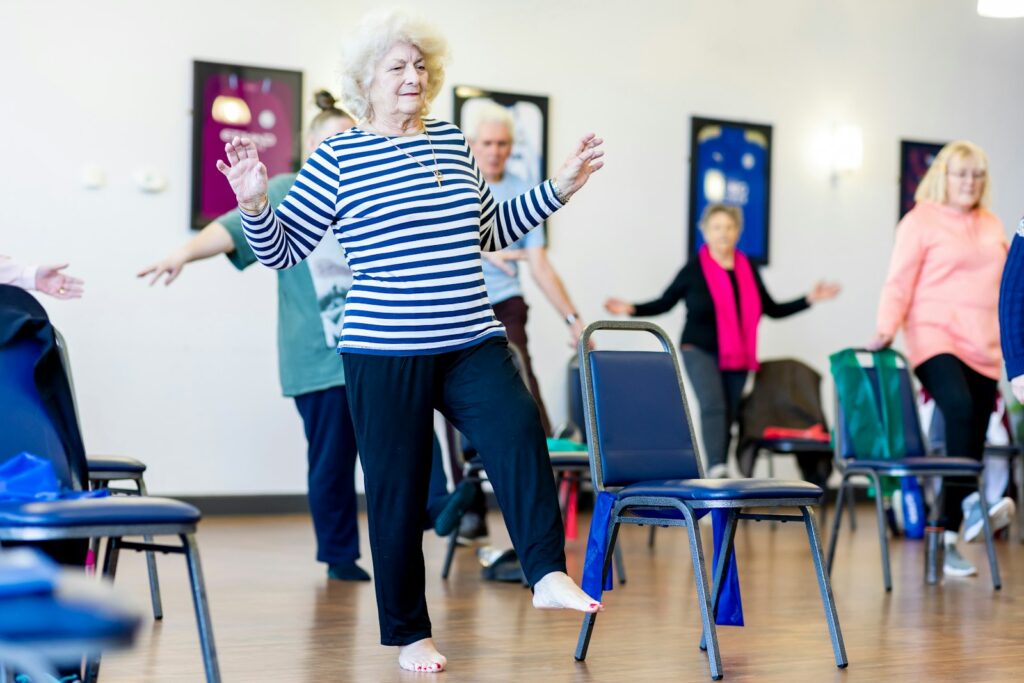
The habits with real evidence behind them for healthy aging: strength training, protein intake, bone health, and staying active at any age.
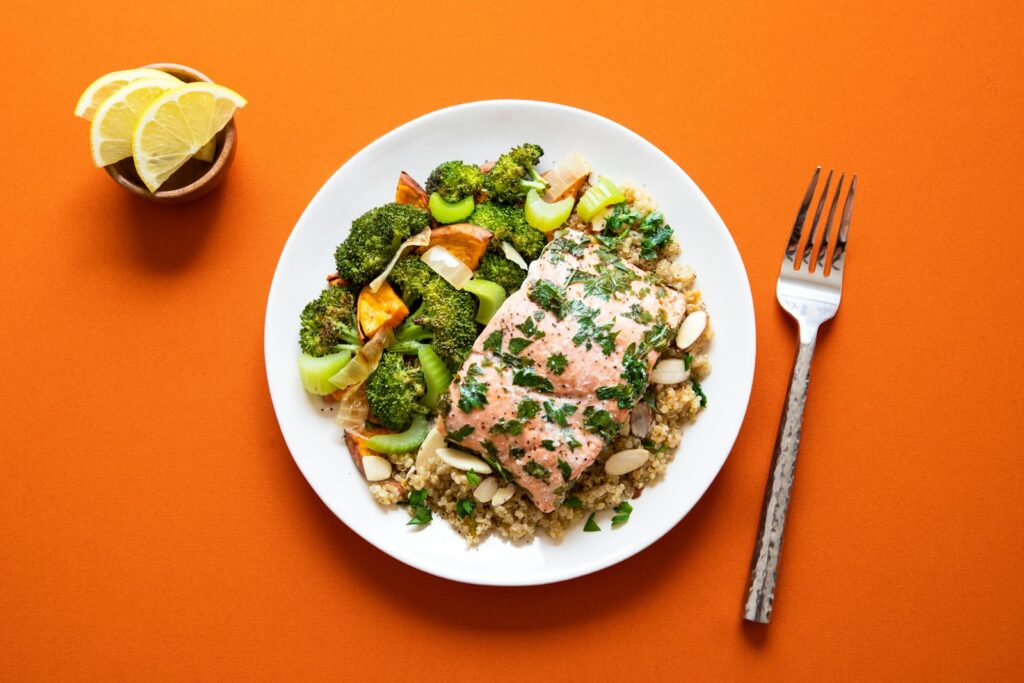
The USDA plate method and simple hand-based portion cues that help right-size meals without measuring, weighing, or restrictive dieting.

Why prolonged sitting carries cardiovascular and metabolic risks independent of exercise, and the practical ways to break up sedentary time.
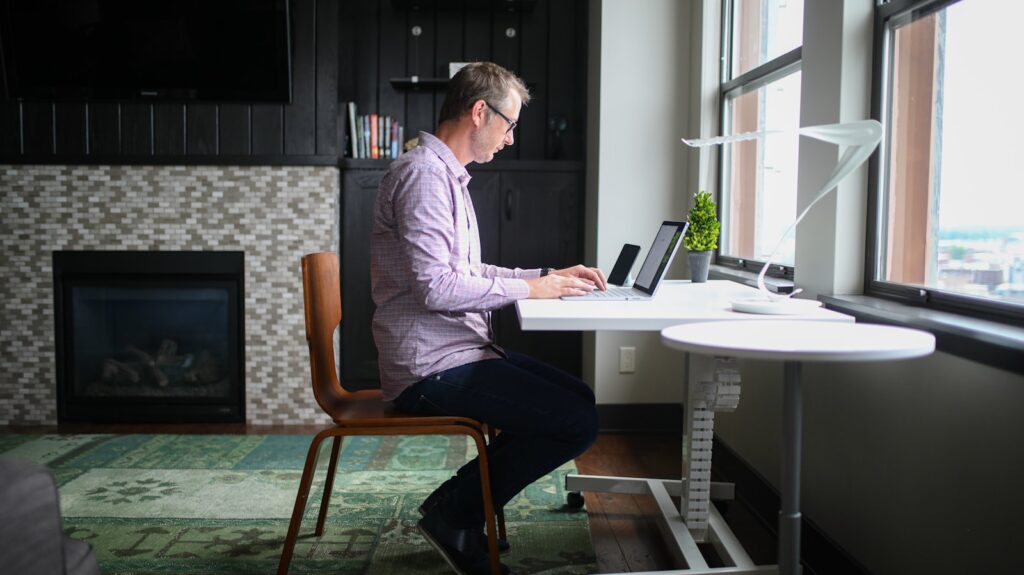
How to set up your chair, monitor, and keyboard to reduce desk-related back and neck pain, and when it is time to see a professional.

What a prediabetes result means, and the specific, CDC-backed lifestyle changes shown to lower the risk of progressing to type 2 diabetes.