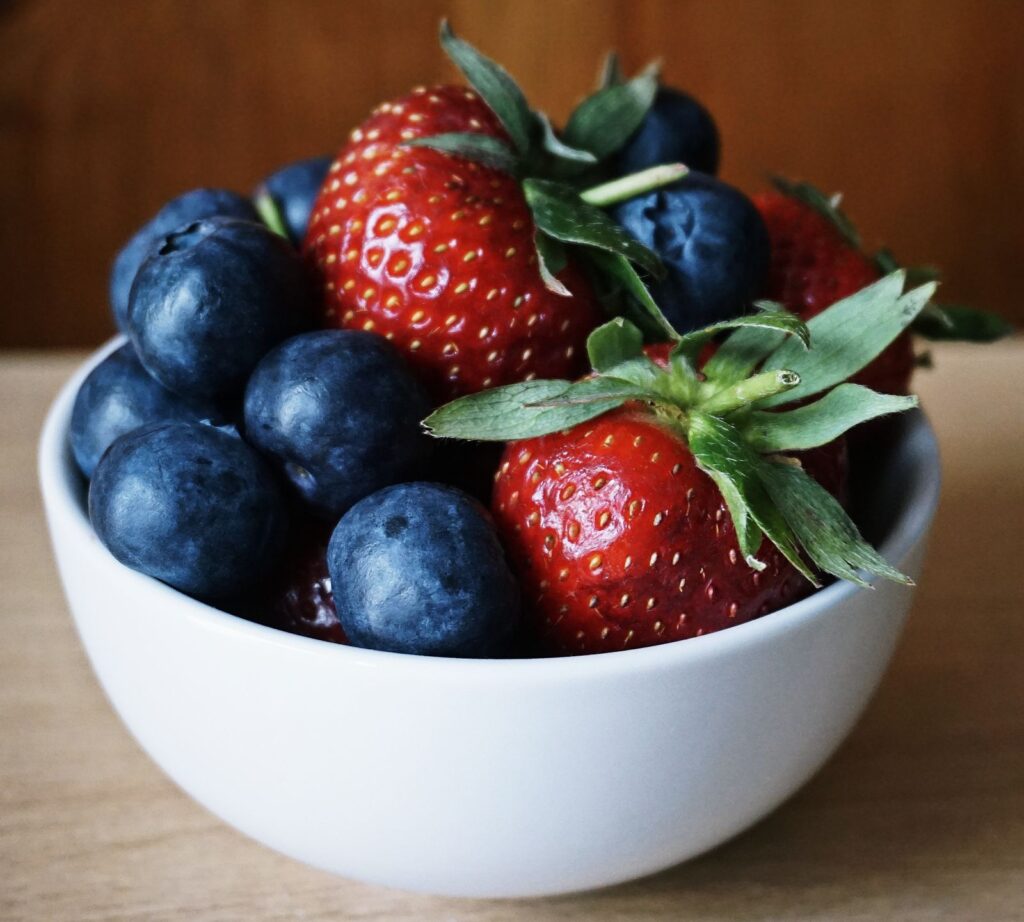
The short answer: the snacks least likely to spike and crash your blood sugar are the ones that pair a carbohydrate with protein, fiber, or a bit of fat, instead of carbohydrate alone. An apple by itself digests quickly and raises blood sugar fast; an apple with peanut butter digests more slowly because the protein and fat in the peanut butter slow down how quickly the sugar from the apple enters your bloodstream. The same principle applies to almost any snack: crackers with cheese instead of crackers alone, berries with Greek yogurt instead of a juice, or hummus with vegetables instead of pretzels alone.
This matters even if you do not have diabetes or prediabetes. Frequent sharp rises and falls in blood sugar are linked to the feeling of fatigue, irritability, and hunger soon after eating that many people associate with snacking on the wrong things. Below is a practical breakdown of why this works, real snack combinations organized by what is easy to keep on hand, and what the research actually supports.
Why Snack Composition Matters More Than Snack Type
There is no official list of foods that are banned as snacks. What matters more is composition: how quickly a snack’s carbohydrates are digested and absorbed. According to the Cleveland Clinic, the most blood-sugar-friendly snacks combine protein, fiber, and sometimes healthy fats with any carbohydrate present, because these nutrients slow digestion and blunt the rise in blood glucose that follows eating. Their practical rule of thumb: always pair a carbohydrate with a protein or a fat rather than eating it alone.
This is not just dietitian advice, it has been tested directly. In a controlled feeding study published in the journal Nutrients and indexed on PubMed, researchers gave adults with type 2 diabetes and adults with normal glucose tolerance a protein- and fiber-fortified snack bar either before or after a meal. When the protein-and-fiber snack was eaten before the meal, the total rise in blood glucose over the next three hours was meaningfully lower than when the same bar was eaten after the meal; in participants with type 2 diabetes, the measured glucose response was roughly 25 percent lower (source: Wang et al., PubMed). The effect was smaller but still present in people without diabetes. This was one specific study design, so it should not be read as eat this exact product, but it is a clear demonstration of the underlying mechanism: pairing protein and fiber with carbohydrate changes how your body processes it.
The basics of what raises and lowers blood sugar are worth reviewing if you want the fuller picture, since snack composition is one piece of a larger pattern that includes meal timing, activity, and sleep.
The Pairing Principle: Carb + Protein/Fiber/Fat
The U.S. Department of Agriculture’s MyPlate snacking guidance recommends building snacks around food group combinations rather than single ingredients, pairing something like yogurt with berries, an apple with nut butter, or whole-grain crackers with turkey and avocado. The goal is a snack that is satisfying enough to actually hold you over, not just something you eat.
A useful portion guideline from Cleveland Clinic dietitians: most snacks work well in the 150 to 200 calorie range, with nuts kept to about a 1-ounce (roughly a quarter cup) portion, since it is easy to eat far more than that without noticing.
Practical Snack Combinations

| Category | Snack combination | Why it works |
|---|---|---|
| Fruit + protein/fat | Apple slices with 1 to 2 tbsp peanut or almond butter | Fiber from the apple plus protein and fat from the nut butter slow sugar absorption |
| Fruit + protein/fat | Berries with plain Greek yogurt | Protein from the yogurt pairs with fiber and lower sugar content of berries versus higher-sugar fruit |
| Vegetables + protein/fat | Baby carrots or bell pepper strips with hummus | Fiber-rich vegetables plus protein and fat from chickpeas and tahini |
| Vegetables + protein/fat | Celery with nut butter | Very low carbohydrate base with added protein and fat for satiety |
| Whole grain + protein | Whole-grain crackers with cheese or canned tuna | Whole grain contributes fiber; cheese or tuna add protein that slows digestion |
| Protein-forward | Hard-boiled egg, cottage cheese, or string cheese | Minimal carbohydrate, high protein, keeps you full between meals |
| Nuts (on their own) | About 1 oz almonds, walnuts, pistachios, or pecans | Protein, fiber, and unsaturated fat in one food, but easy to overeat, pre-portion it |
If you’re building meals and macro targets more generally, the macro targets framework and fiber intake guide go into more detail on how much protein and fiber to aim for across the day, and meal prep basics cover how to have these combinations ready in advance instead of defaulting to whatever’s fastest.
Snacks That Tend to Work Against You
The flip side of the pairing principle is snacks that are mostly refined carbohydrate with little protein, fiber, or fat to slow them down: sugary beverages, candy, pretzels or chips eaten alone, and pastries. These aren’t forbidden foods, and framing food as good or bad isn’t necessary or particularly useful, but eaten alone and on an empty stomach, they tend to produce the fast rise and fall in blood sugar associated with feeling hungry again soon after. The natural sugar vs. added sugar and how to spot added sugar on a label guides can help you notice how much added sugar is actually in packaged snack foods, since it’s often higher than it looks. Learning to read a nutrition facts label makes it easier to check fiber and protein content at a glance.
If You Have Diabetes or Prediabetes
If you’ve been told you have prediabetes, type 2 diabetes, or another condition that affects blood sugar, the general pairing principle above is a reasonable starting point, but individual targets, such as how many carbohydrates per snack, timing around medication, and specific portion sizes, should come from your own doctor or a registered dietitian, since these vary by individual and by treatment plan. The CDC’s guidance on healthy eating with diabetes makes the same point: a dietitian or diabetes educator can help build a plan specific to your target range. Our prediabetes and lifestyle guide covers the broader lifestyle factors involved.
FAQ
Is fruit a bad snack for blood sugar?
No. Whole fruit contains fiber that slows sugar absorption compared with fruit juice or dried fruit in large amounts. Pairing fruit with a protein or fat source, like nut butter or yogurt, slows absorption further.
How many snacks a day is reasonable?
There’s no universal number, it depends on your meal schedule, activity level, and hunger cues. One to two snacks a day, sized to actually bridge the gap between meals, is a common and reasonable pattern for most adults.
Is a snack with only carbohydrates ever fine?
Occasionally, yes, for example, fruit or a small carbohydrate snack shortly before or after exercise, when your body uses that glucose quickly. As a default between-meal snack, pairing it with protein or fiber is the more consistent approach.
Do sugar-free snacks avoid this issue?
Not necessarily. Some sugar-free snacks are still refined-carbohydrate-heavy or contain sugar alcohols that affect people differently. Checking the fiber and protein lines on the nutrition facts label is more informative than the front-of-package claim.
Sources
- Cleveland Clinic: Have Type 2 Diabetes? Reach for These Healthy Snacks
- U.S. Department of Agriculture, MyPlate: Healthy Snacking Tip Sheet
- Centers for Disease Control and Prevention: Healthy Eating for Diabetes
- Wang et al., “Postprandial glucose-lowering effect of premeal consumption of protein-enriched, dietary fiber-fortified bar in individuals with type 2 diabetes mellitus or normal glucose tolerance”: PubMed
