
Added sugar has become one of the most discussed topics in nutrition, and for good reason: it shows up in far more foods than most people realize, often in products that do not taste distinctly sweet. Learning to recognize it on a label is one of the more practical nutrition skills, since it does not require counting every gram of everything, just knowing where to look and what the numbers actually mean.
Added Sugar vs. Natural Sugar
Nutrition labels distinguish between total sugars and added sugars, and the difference matters. Total sugars include naturally occurring sugar, like the fructose in a piece of fruit or the lactose in plain milk, alongside anything added during processing. Added sugars refer specifically to sugars and syrups added during preparation or processing, whether that is in a factory, a restaurant kitchen, or at home while cooking.
This distinction is why a plain container of yogurt and a flavored one from the same brand can have very different added sugar counts despite both containing natural milk sugar. Checking the Added Sugars line specifically, rather than just the total sugar figure, gives a much clearer picture of how much sugar was introduced during processing rather than occurring naturally in the food.
The Many Names Sugar Goes By
In the ingredients list, sugar rarely shows up only as the word sugar. It also appears as high-fructose corn syrup, cane syrup, dextrose, maltose, brown rice syrup, agave nectar, honey, fruit juice concentrate, and dozens of other names. None of these are meaningfully healthier than table sugar in the quantities typically used in processed foods, despite how some are marketed as more natural alternatives.
Ingredients are listed by weight, from most to least, so when one or more sweeteners appear near the top of a long ingredient list, or when several different sweetener names appear scattered throughout the list, that is often a sign the product contains more added sugar overall than the single word sugar appearing once might suggest.
Where Added Sugar Hides

Some sources of added sugar are obvious: soda, candy, and desserts. Others are far less expected. Pasta sauce, salad dressing, bread, flavored yogurt, granola, protein bars, and many condiments frequently contain notable amounts of added sugar, often to balance acidity or improve shelf-stable flavor. A tomato sauce or a loaf of bread might not taste sweet at all while still contributing several grams of added sugar per serving.
Because these hidden sources are eaten in regular meals rather than as treats, they can add up over a day without ever feeling like an indulgence, which is part of why added sugar intake is often higher than people estimate when asked to guess.
How Much Is Considered Reasonable
Enter the grams of added sugar per serving from a nutrition label to see it in teaspoons and as a share of a general 50g/day upper limit.
Dietary guidelines in the United States generally suggest keeping added sugar under about 10 percent of total daily calories, which for a 2,000 calorie diet works out to roughly 50 grams, or around 12 teaspoons, though many nutrition organizations suggest aiming lower than that upper limit rather than treating it as a target to reach. A single sugary drink can approach or exceed that entire daily amount on its own, which is one reason beverages tend to be one of the largest single contributors to added sugar intake for many people.
A Practical Way to Cut Back
Rather than trying to eliminate added sugar entirely, which tends to be difficult to sustain, a more practical approach is identifying the one or two biggest contributors in a typical week, often a specific drink, a daily flavored coffee, or a particular snack, and addressing those first. Swapping a sugary drink for water or an unsweetened alternative, or choosing plain yogurt and adding fresh fruit for sweetness instead of buying pre-flavored versions, tends to produce a bigger reduction than trying to scrutinize every single label across an entire diet at once.
Label Claims Worth a Second Look
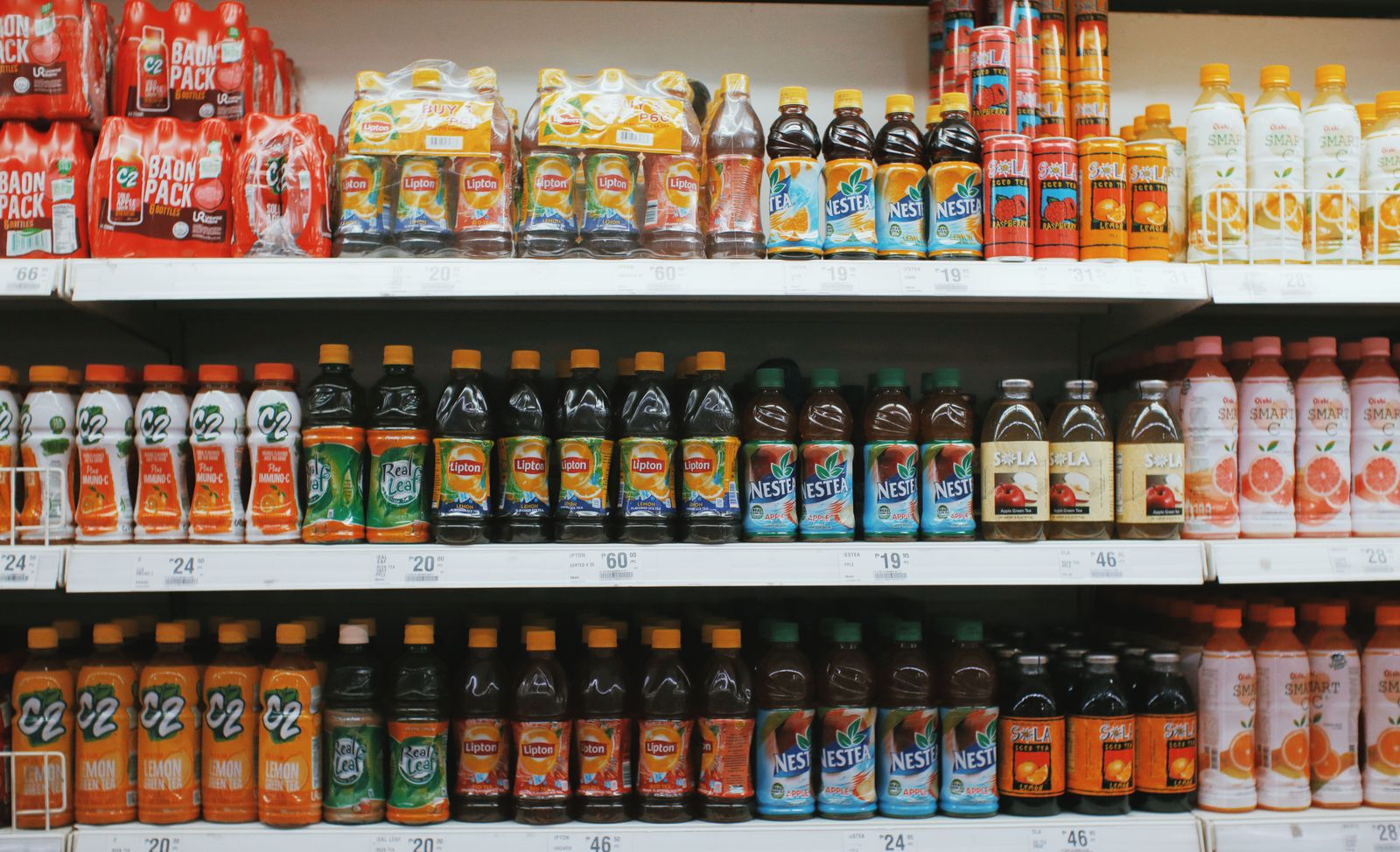
Front-of-package claims like “no added sugar” or “naturally sweetened” can be technically accurate while still being misleading in context. “No added sugar” means exactly what it says, no sweeteners were added during processing, but it says nothing about the natural sugar content already present, which can still be substantial in something like a fruit juice or a dried fruit snack. Similarly, “naturally sweetened” often refers to using honey, agave, or fruit juice concentrate instead of refined sugar, all of which are still forms of added sugar nutritionally, even though they come from a source generally perceived as more wholesome.
The most reliable way to cut through this kind of marketing language is to skip the front of the package entirely and go straight to the Nutrition Facts panel and ingredient list, which are regulated more strictly than the marketing claims printed elsewhere on the box.
None of this requires becoming the person who reads every label in the checkout line while people wait behind you. Learning the handful of names sugar commonly hides behind, and building the habit of glancing at just one number, takes a few weeks to become automatic. After that, spotting a suspiciously sweet “healthy” granola bar becomes fast and almost effortless.
Reading Serving Sizes Alongside Sugar Content
One detail that trips people up is serving size. A grams-of-added-sugar figure only means something in the context of how much of the product actually counts as one serving, and package serving sizes do not always match how much a person realistically eats in one sitting. A cereal listing 8 grams of added sugar per serving might be describing a much smaller portion than what typically ends up in a bowl, meaning the real intake from one actual bowl could be noticeably higher than the number on the front panel might suggest at a glance.
