If you’ve ever compared a glucose reading from a US lab report against a European or international source, you may have noticed the numbers look completely different — not because the values disagree, but because they’re using different measurement units entirely.
Convert Glucose Units
Blood Glucose Unit Converter
Why Two Different Units Exist
The United States generally reports blood glucose in milligrams per deciliter (mg/dL), measuring the mass of glucose in a given volume of blood. Most other countries, including the UK, Canada, and much of Europe, use millimoles per liter (mmol/L), a measure based on the molar concentration of glucose. Both are scientifically valid; they’re just different systems of units describing the same underlying measurement, similar to Fahrenheit versus Celsius for temperature.
Common Reference Points in Both Units
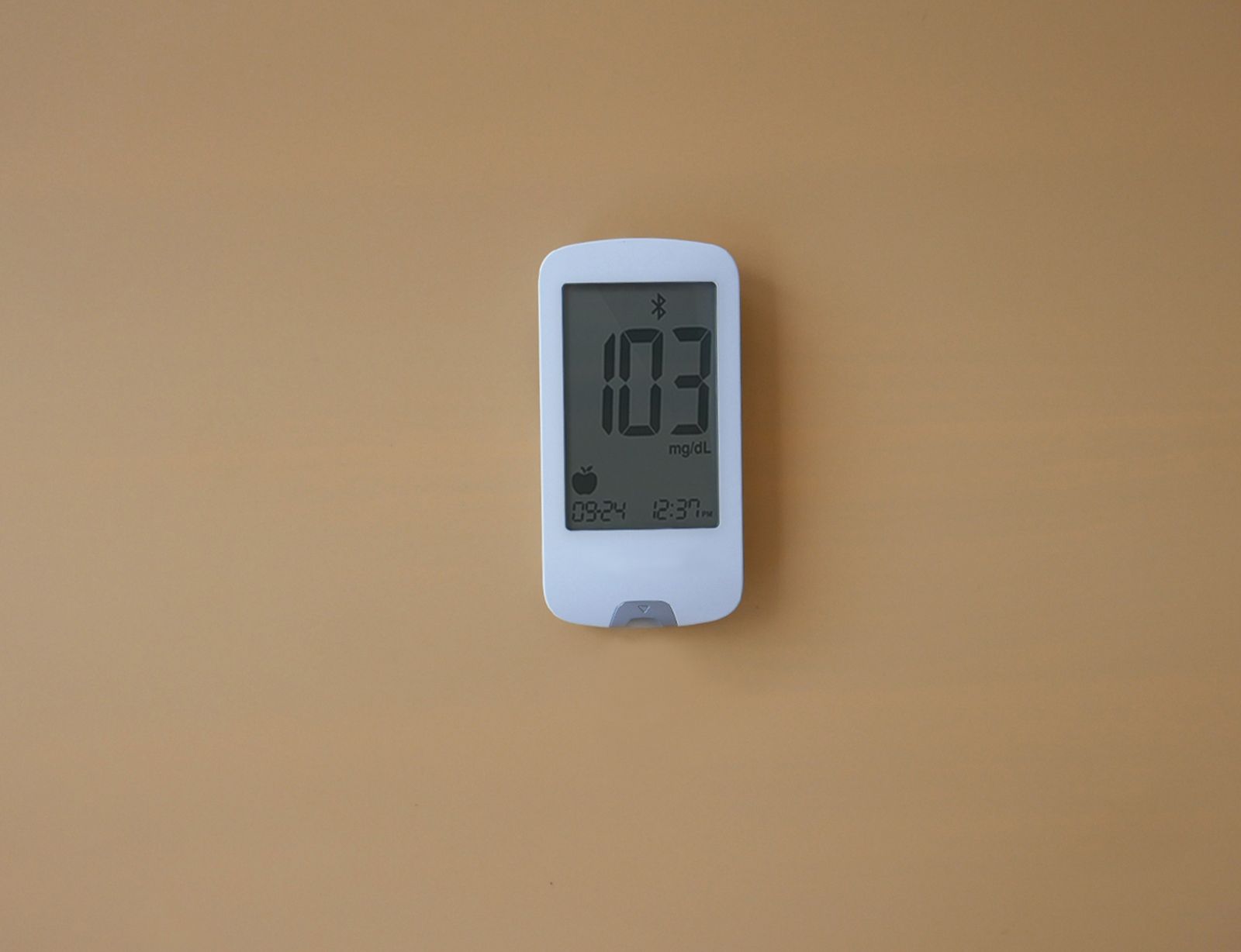
- Normal fasting glucose: under 100 mg/dL (5.6 mmol/L)
- Prediabetes fasting range: 100-125 mg/dL (5.6-6.9 mmol/L)
- Diabetes fasting range: 126 mg/dL (7.0 mmol/L) or above, typically confirmed with repeat testing
Frequently Asked Questions
Why is the conversion factor 18.0182? It comes from the molecular weight of glucose (roughly 180.18 g/mol), which relates the mass-based mg/dL unit to the molar-based mmol/L unit mathematically.
Which unit should I use to track my own readings? Use whichever unit your glucose meter or lab reports by default, and keep track consistently — the specific unit doesn’t matter as much as understanding your own trend over time.
Why the World Uses Two Different Units for the Same Measurement
The split isn’t arbitrary. The United States, along with a handful of other countries, reports blood glucose in milligrams per deciliter (mg/dL), which measures the mass of glucose in a fixed volume of blood. Most of the rest of the world, including the UK, Canada, Australia, and the European Union, uses millimoles per liter (mmol/L), which measures the actual number of glucose molecules present. Both describe the same physical reality; they’re just different units of measurement, the way a recipe might list an oven temperature in Fahrenheit or Celsius. Neither unit is more “accurate” than the other, and converting between them doesn’t change what’s happening in your bloodstream.
This matters in practice more often than people expect. If you travel, work with an international telehealth provider, read a study published in a European journal, or simply switch glucose meters made for a different market, you can end up staring at a number that looks alarming purely because it’s in an unfamiliar unit. A reading of 100 mg/dL and a reading of 5.6 mmol/L describe an identical, perfectly normal fasting glucose level.
How to Read the Converted Number in Context
A single glucose value only means something in relation to when it was taken. Fasting glucose (typically drawn after at least eight hours without food) is interpreted differently than a reading taken two hours after a meal, which in turn differs from a random spot check. Illness, poor sleep, dehydration, intense exercise, and stress hormones can all shift a single reading up or down without reflecting your typical pattern, which is why clinicians generally look at trends and lab-confirmed A1C alongside any single number rather than reacting to one data point in isolation.
If a converted value falls outside the typical reference range, the right next step isn’t to self-diagnose. It’s to bring the number, along with when it was taken and what you’d eaten, to a doctor or diabetes educator who can interpret it against your personal history. This tool is meant to remove unit confusion, not to replace a lab-verified diagnosis.
Using This Converter Alongside a Home Glucose Meter
If you’re managing diabetes or prediabetes with a home glucose meter, unit confusion becomes more than a curiosity the moment you buy a device from an online retailer based in a different country, or use an app that defaults to the “wrong” unit for your region. Many modern meters let you switch the display unit in the settings menu, which is worth checking before you assume a device is malfunctioning because the numbers look unusually high or low. If you can’t change the unit on the device itself, keeping this converter bookmarked, or writing the two equivalent values in your logbook, prevents the kind of unit mix-up that could otherwise lead to an inappropriate response to a normal reading, or a missed response to an actual outlier.
It’s also worth remembering that a single glucose meter reading, in either unit, is a snapshot rather than a diagnosis. Meters used at home are generally accurate enough for day-to-day tracking but are not lab-grade instruments, and results can be affected by things as simple as unwashed hands with residual sugar on the fingertips. Lab-drawn venous blood tests and A1C remain the gold standard for any diagnostic decision, so unusual home readings are best treated as a prompt to test again and talk to a clinician, not as a diagnosis in themselves.
Sources
- Diabetes UK — Blood Glucose Testing
- CDC — Diabetes Testing
- American Diabetes Association
- CDC (Centers for Disease Control and Prevention)
- NIH Office of Dietary Supplements
Final Thoughts
Glucose unit confusion is common for anyone comparing results across countries or sources. The conversion itself is simple math — the important part is understanding what the resulting number means for your own health context.
This article is for general educational purposes and is not a substitute for personalized medical advice.
About the Author
This article was written and reviewed by Ethan Brooks, focused on translating public health information into clear, practical guidance for everyday readers. If you spot an error or have a correction, please contact us.