
Cardio machines love to display a “fat burning zone,” usually set somewhere around 60-70% of estimated max heart rate, implying it’s the best intensity for losing fat. The idea has a kernel of physiological truth to it, but it’s also widely misapplied — and understanding why matters more than memorizing a heart rate number.
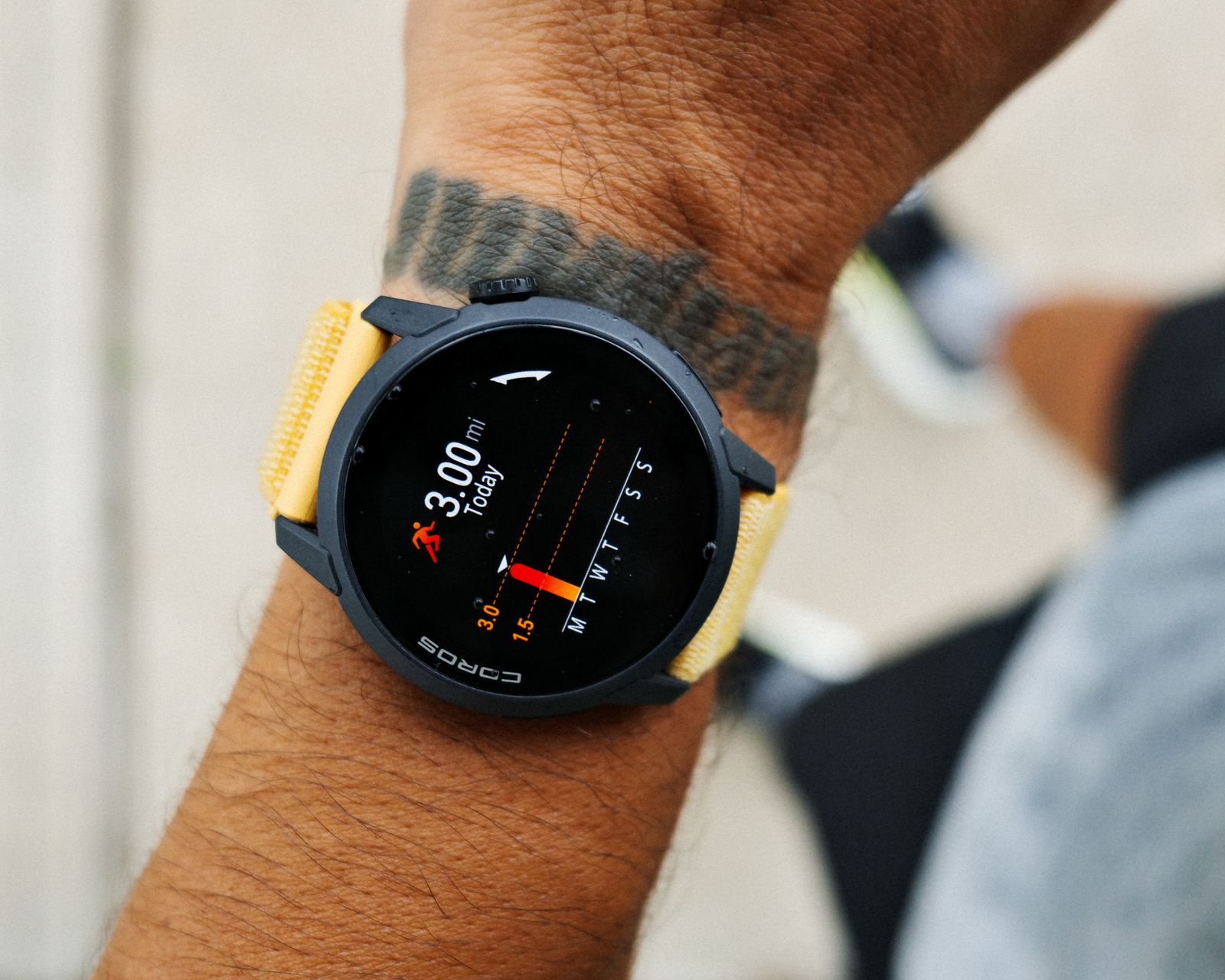
Where the “Fat Burning Zone” Idea Comes From
At lower exercise intensities, a higher percentage of the calories burned come from fat oxidation rather than carbohydrate. As intensity increases, the body shifts toward relying more heavily on carbohydrate for fuel. This is real physiology — but the key detail that gets lost is that “higher percentage of fat used” is not the same as “more total fat burned,” because total calorie expenditure is also much higher at greater intensities.
Percentage vs. Total: Why It Matters
A 30-minute low-intensity session might burn a higher percentage of calories from fat, but a smaller total number of calories overall. A 30-minute higher-intensity session burns more total calories, and even though a smaller percentage comes from fat directly during the session, the larger overall energy expenditure often means more total fat-equivalent calories burned, or at minimum a larger overall calorie deficit contribution once averaged across the day. For fat loss specifically, total energy expenditure relative to intake over time is what drives results, not which fuel source is used minute-to-minute during a single session.
What Actually Matters More for Fat Loss
- Total weekly energy expenditure — combining exercise intensity, duration, and frequency matters more than any single “zone”
- Consistency and adherence — a moderate-intensity routine someone actually sticks with usually outperforms a theoretically optimal but unsustainable one
- Overall calorie balance — nutrition intake relative to total expenditure remains the dominant factor in fat loss over time
- Preserving muscle mass — incorporating resistance training alongside cardio helps maintain lean mass during a calorie deficit, supporting long-term metabolic health
Where Different Intensities Still Have a Place
Lower-intensity steady-state cardio is easier to sustain for longer durations and recover from, making it useful as a high-volume base. Higher-intensity intervals are more time-efficient and can improve cardiovascular fitness markers more quickly per minute spent. A well-rounded approach typically uses both, rather than fixating on a single heart rate zone as inherently superior for fat loss.
Frequently Asked Questions
Is high-intensity interval training better than steady-state cardio for fat loss? Both can be effective; HIIT tends to be more time-efficient, while steady-state is easier to sustain for longer durations and generally lower-impact for recovery.
Do I need a heart rate monitor to exercise effectively for fat loss? It’s a helpful tool for tracking intensity trends over time, but it isn’t required — consistent effort, appropriate duration, and overall calorie balance matter more than precise zone targeting.
What the “Fat Burning Zone” Actually Refers To
The fat burning zone, usually marked on cardio machines as a specific heart rate range, roughly 60-70% of estimated maximum heart rate, refers to the exercise intensity at which your body draws a higher percentage of its energy from fat compared to carbohydrate. This is physiologically accurate: at lower intensities, your body does rely more heavily on fat oxidation as a fuel source. The confusion comes from what people do with that fact, assuming a higher fat percentage during exercise means more total fat lost, which doesn’t follow, because it ignores total calories burned, which matters more for overall fat loss than which fuel source those calories came from during any given workout.
A simple example illustrates the gap: a 30-minute low-intensity walk in the “fat burning zone” might burn 150 total calories, with a higher percentage coming from fat. A 30-minute higher-intensity run above that zone might burn 400 total calories, with a lower percentage from fat but a larger absolute amount, and often more total fat calories burned than the lower-intensity option, simply because total energy expenditure was so much higher.
What Actually Drives Fat Loss
Fat loss over time is primarily driven by total energy balance, calories consumed versus calories expended across days and weeks, not by which specific fuel source was used during any single workout. Higher-intensity exercise also continues burning additional calories after the workout ends through a phenomenon called excess post-exercise oxygen consumption (EPOC), an effect that’s generally larger after more intense exercise than after steady, low-intensity cardio, adding further calories to the total beyond what’s burned during the session itself. This doesn’t mean low-intensity exercise is pointless, it has real value, including being more sustainable for longer durations, lower injury risk, and genuine cardiovascular benefit, but “burns more fat” isn’t the accurate reason to choose it over higher intensity training.
Research comparing different exercise intensities for fat loss consistently supports this: when total energy expenditure is matched, the specific intensity zone used doesn’t produce meaningfully different fat loss outcomes, undermining the idea that there’s a specific “magic zone” superior for fat loss.
Choosing Intensity Based on What Actually Matters
Rather than targeting a specific heart rate zone for fat-burning purposes, a more useful framework is choosing exercise intensity based on your actual goals and constraints: lower-intensity steady cardio is excellent for building an aerobic base, is easier to sustain for longer durations, and is gentler on joints, useful for beginners or those managing injury. Higher-intensity training burns more total calories per minute and adds the post-exercise calorie burn effect, useful when time is limited. For most people pursuing general fat loss, a mix of both intensities, chosen based on enjoyment and sustainability, tends to produce better long-term adherence and results than rigidly targeting a single heart rate range based on outdated fat-burning-zone marketing.
Sources
- American College of Sports Medicine — Exercise Intensity Guidelines
- American Heart Association — Target Heart Rates
- American College of Sports Medicine
- American Heart Association
Final Thoughts
The “fat burning zone” isn’t wrong physiology, just an incomplete picture. Total energy expenditure, consistency, and overall calorie balance drive fat loss far more than which heart rate zone a workout happens to fall into.
This article is for general educational purposes and is not a substitute for personalized medical or fitness advice.
About the Author
This article was written and reviewed by Sarah Whitfield, dedicated to providing clear, evidence-informed health and fitness information. If you spot an error or have a correction, please contact us.