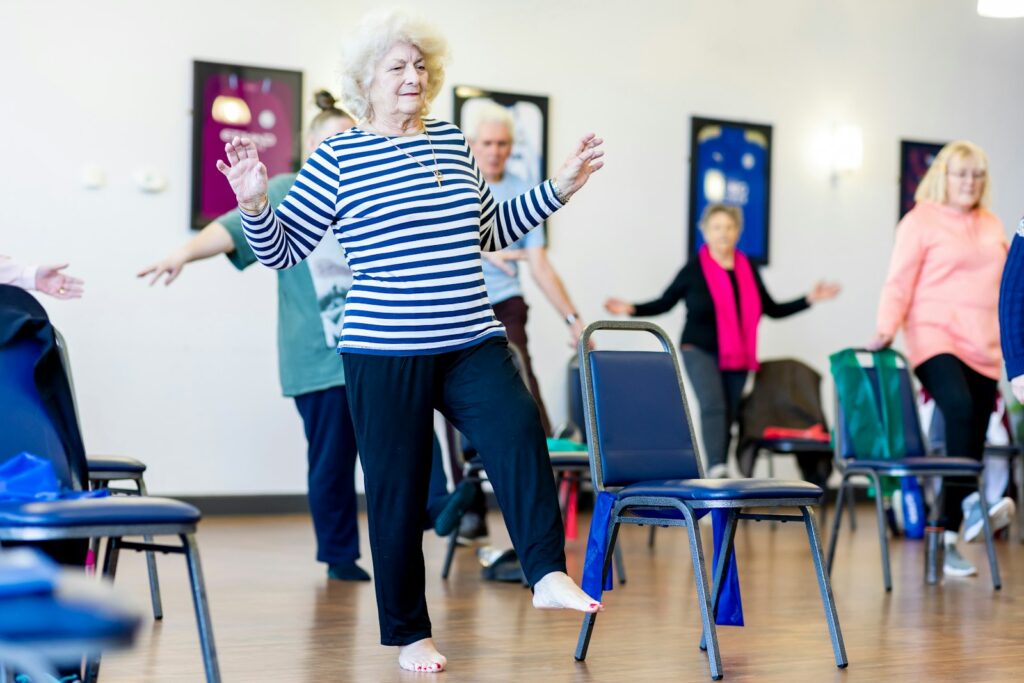
Healthy aging is not primarily about any single supplement or trend. According to research supported by the National Institute on Aging, a small set of well-studied habits, mainly strength training, adequate protein, and staying socially and physically active, account for much of the difference between people who stay independent and mobile into their 70s and 80s and those who do not.
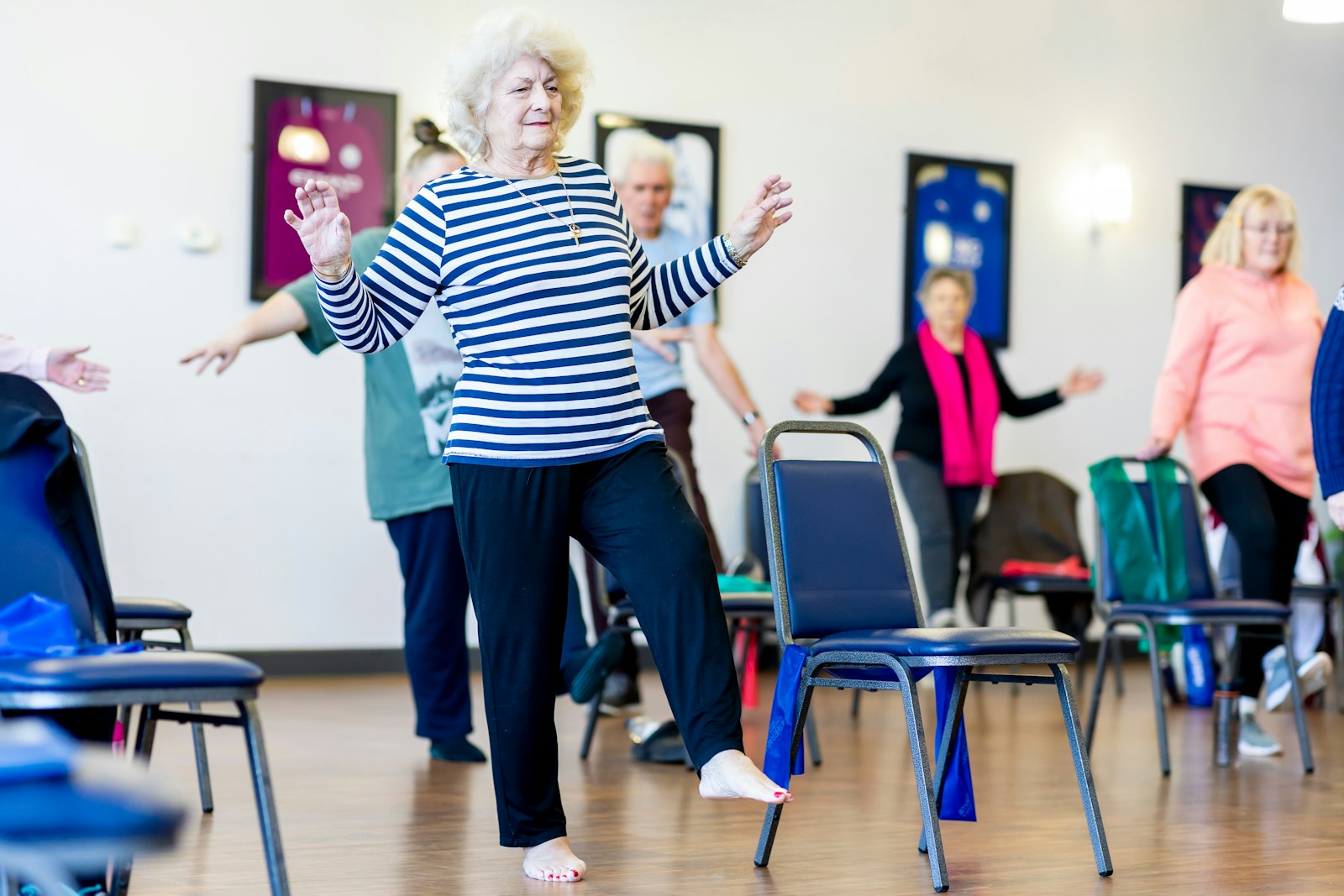
Why Muscle Mass Becomes a Priority With Age
Starting around age 30, adults gradually lose muscle mass and strength if they do not actively work against it, a process that can accelerate after age 60. This decline, sometimes called sarcopenia when significant, is linked to a higher risk of falls, fractures, and loss of independence. The National Institute on Aging notes that a combination of walking and resistance training is one of the most effective ways to preserve physical function as we age.
Strength Training Is Not Just for Younger Adults
Research reviewed by the NIA has found that resistance exercise, done safely and appropriately, builds meaningful strength even in older adults who have never lifted weights before. Our beginner’s guide to strength training covers how to start safely, and grip strength in particular is increasingly used by researchers as a simple, meaningful marker of overall health in older adults.
Protein Needs Often Increase With Age
Research on aging and muscle health suggests that older adults often need more protein, relative to body weight, than younger adults to maintain the same muscle mass, partly because the body becomes somewhat less efficient at using dietary protein to build and repair muscle. Spreading protein intake across meals, rather than concentrating it at dinner, appears to help. Our protein intake calculator can help estimate a reasonable target.
Bone Health Works Alongside Muscle Health
Weight-bearing exercise and adequate calcium and vitamin D intake support bone density, which becomes especially important for fall and fracture prevention later in life. Our guides to bone health and osteoporosis and calcium needs at every age go into more detail on this connection.
Habits Worth Building at Any Age
- Resistance training at least two days a week, targeting major muscle groups.
- Regular walking or other moderate cardio, which supports cardiovascular health and balance.
- Adequate protein spread across meals throughout the day.
- Balance and flexibility work, which becomes increasingly important for fall prevention; see our guide to flexibility and mobility.
- Staying socially and mentally engaged, which research also links to healthier aging outcomes.
Starting Later in Life Still Counts
One of the more encouraging findings in aging research is that it is rarely too late to benefit from starting these habits. Adults who begin strength training or regular walking in their 60s, 70s, or beyond still see meaningful improvements in strength, balance, and function. Anyone starting a new exercise routine, especially after a long period of inactivity or with an existing health condition, should check with a doctor first to make sure the plan fits their individual situation.
Frequently Asked Questions
Is it safe to start strength training in your 60s or 70s?
For most older adults, yes, when it is introduced gradually and with proper form. Checking with a doctor first is a reasonable step, especially with existing health conditions or joint issues.
How much protein do older adults actually need?
Needs vary by individual, activity level, and health status, so there is no single number that fits everyone. A registered dietitian or doctor can help tailor a target to your specific situation.
Does healthy aging require expensive supplements?
The strongest evidence points to fundamentals like resistance exercise, adequate protein from food, and staying active, rather than any specific supplement. Talk to a doctor before starting any new supplement, especially alongside existing medications.
The Bottom Line
Healthy aging is built on a short list of well-supported habits: resistance training, enough protein, weight-bearing activity for bone health, and staying socially engaged. None of these require starting young, and the research is encouraging about how much benefit is still available even for people starting later in life.
Sources
- National Institute on Aging (NIA) — Exercise and Physical Activity for Older Adults
- National Institute on Aging (NIA) — Strength training and healthy bodies research
