
Calcium’s reputation begins and ends with “strong bones” for most people, which is accurate but incomplete. It’s also essential for muscle contraction, nerve signaling, blood clotting, and heart rhythm — and your skeleton actually functions as a calcium reservoir the rest of your body draws from when dietary intake falls short, which is exactly why chronically low intake shows up as weaker bones over years, not immediately.

How Much Calcium You Actually Need
- Children 1-3: 700 mg/day
- Children 4-8: 1,000 mg/day
- Ages 9-18: 1,300 mg/day (peak bone-building years)
- Adults 19-50: 1,000 mg/day
- Men 51-70: 1,000 mg/day
- Women 51-70: 1,200 mg/day
- Adults 71+: 1,200 mg/day (both sexes)
Two things jump out here. First, teenagers actually need more calcium than most adults, since 9-18 is when the majority of peak bone mass is built — a foundation that affects fracture risk decades later. Second, the requirement rises again for women specifically at 51, coinciding with the drop in estrogen after menopause, which accelerates bone loss.
Find Your Recommended Intake
Select your group to see your recommended daily calcium intake.
Good Food Sources
- Milk: about 300 mg per cup
- Yogurt: roughly 300-450 mg per cup, depending on type
- Cheese: around 200 mg per ounce
- Fortified plant milks (soy, almond, oat): typically fortified to match dairy milk at ~300 mg per cup, but worth checking the label since fortification varies by brand
- Tofu made with calcium sulfate: can provide 200-400 mg per half-cup
- Kale and other leafy greens: roughly 90-180 mg per cup cooked, with notably better absorption than spinach
- Canned salmon or sardines with bones: 200-300 mg per serving
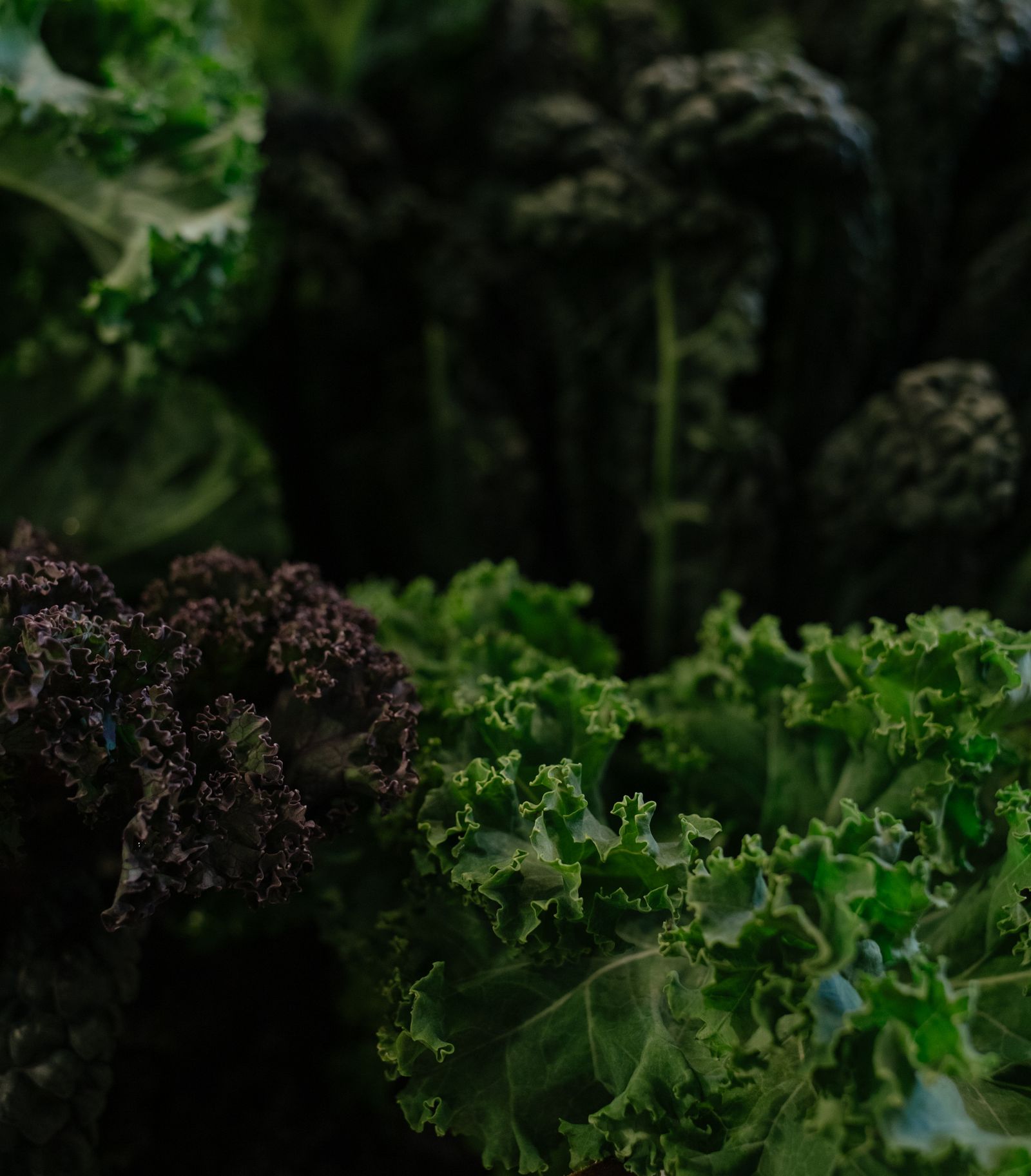
A quick note on spinach: while it contains calcium, it’s also high in oxalates, compounds that bind to calcium and significantly reduce how much your body actually absorbs. Kale, bok choy, and broccoli are better-absorbed leafy green sources of calcium than spinach, despite spinach’s higher calcium content on paper.
Vitamin D’s Role in the Equation
Calcium absorption in the gut depends heavily on adequate vitamin D, which is why the two are almost always discussed together in bone health guidance. Getting enough calcium without enough vitamin D still leaves you with a functional shortfall, since much of that calcium won’t be absorbed. If you’re focused on bone health, it’s worth evaluating both nutrients together rather than calcium in isolation.
Frequently Asked Questions
Is it possible to get too much calcium? Yes — the upper limit is 2,500 mg/day for adults under 50 and 2,000 mg/day for those over 50. Excess calcium, particularly from supplements rather than food, has been linked in some studies to kidney stones and, in high doses, cardiovascular concerns, which is why food sources are generally preferred over supplements when possible.
Do I need a calcium supplement if I don’t eat dairy? Not necessarily — fortified plant milks, tofu, leafy greens, and canned fish with bones can collectively meet calcium needs without dairy. A supplement is more useful for people who consistently fall short of these food sources.
Does caffeine affect calcium absorption? High caffeine intake has a small negative effect on calcium absorption, but it’s modest and easily offset by adequate overall calcium intake — it’s not a reason to avoid coffee, just a minor factor at the margins.
Why Calcium Needs Change Across Your Life
Calcium requirements aren’t static, they shift meaningfully across different life stages based on how your body is using the mineral at each point. During childhood and adolescence, calcium needs are elevated to support rapid bone growth, with peak bone mass typically established by the late 20s or early 30s, making adequate intake during these formative years particularly consequential for lifelong bone health, since bone built during this window serves as a foundation that’s difficult to fully make up for later. Adult needs level off somewhat during the years of peak bone mass, then rise again for specific groups: pregnant and breastfeeding individuals (to support fetal and infant bone development), and notably, postmenopausal women and older adults generally, since declining estrogen after menopause accelerates bone loss and reduces the efficiency of calcium absorption from the gut.
This means the same calcium intake that was adequate for someone at 25 may fall short of what’s protective for the same person at 55 or 65, which is why calcium recommendations are typically given as age and sex-specific ranges rather than a single universal number.
Getting Calcium From Food vs. Supplements
Dairy products remain among the most concentrated and well-absorbed calcium sources, but plenty of non-dairy options provide meaningful amounts: fortified plant milks, leafy greens like kale and bok choy (though spinach, despite being calcium-rich, contains compounds that significantly limit how much of its calcium is actually absorbed), tofu made with calcium sulfate, canned fish with edible bones like sardines, and fortified cereals and juices. Research generally favors getting calcium from food over high-dose supplements when possible, some studies have raised questions about calcium supplements, particularly at higher doses, being associated with increased cardiovascular risk in certain populations, a finding that remains somewhat debated but has led many clinicians to recommend prioritizing dietary sources and using supplements more conservatively to fill genuine gaps rather than as a default strategy.
Vitamin D works alongside calcium as a necessary partner for absorption, adequate calcium intake without sufficient vitamin D status won’t translate into the bone benefit you’d expect, which is why the two nutrients are usually discussed and assessed together rather than in isolation.
A Practical Approach by Life Stage
For most adults under 50, hitting calcium needs through a reasonably varied diet including dairy or fortified alternatives, leafy greens, and other sources listed above is generally achievable without supplementation. For postmenopausal women, older adults, and anyone with risk factors for osteoporosis, discussing your specific calcium and vitamin D status, including whether supplementation makes sense given your diet and any bone density testing results, with a doctor is a more individualized approach than following general population guidelines alone.
Sources
- NIH Office of Dietary Supplements — Calcium Fact Sheet
- National Academies, Dietary Reference Intakes for Calcium and Vitamin D
- NIH Office of Dietary Supplements
- National Institute on Aging (NIH)
Final Thoughts
Calcium needs aren’t flat across a lifetime — they spike during the teenage bone-building years and rise again for women after 51. Whatever your source, dairy, fortified plant milk, leafy greens, or canned fish, pairing adequate calcium with enough vitamin D is what actually determines how much of it your body puts to use.
This article is for general educational purposes and is not a substitute for personalized medical advice.
About the Author
This article was written and reviewed by Ethan Brooks, focused on translating public health information into clear, practical guidance for everyday readers. If you spot an error or have a correction, please contact us.