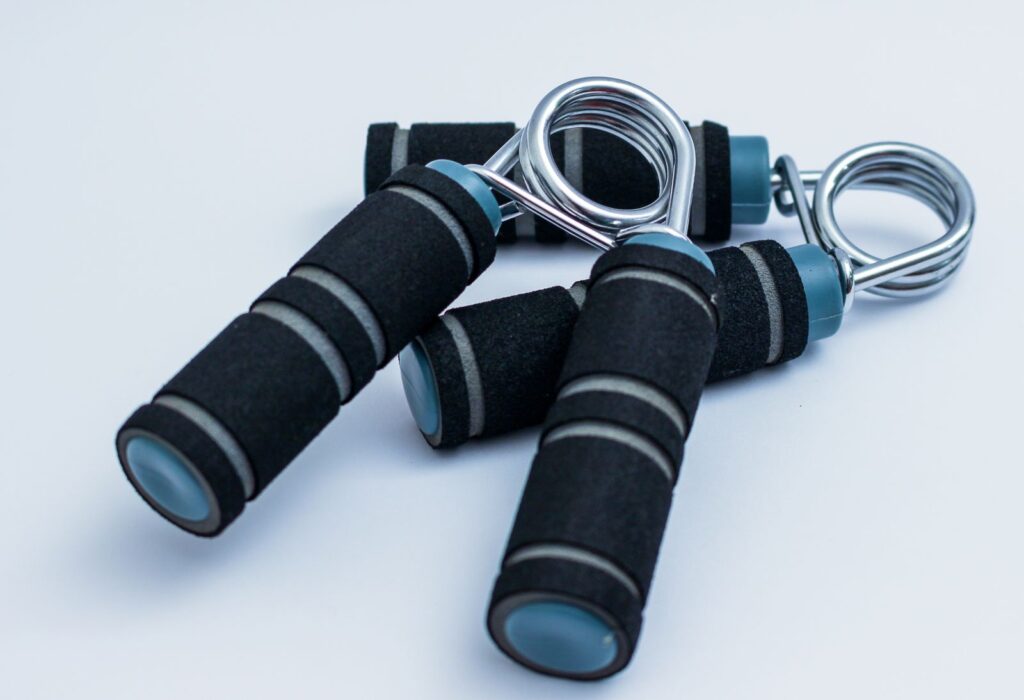
Of all the biomarkers researchers track for long-term health, one of the simplest to measure might also be one of the most predictive: how hard you can squeeze. Grip strength, tested with a handheld dynamometer, has repeatedly outperformed more traditional measures in predicting long-term health outcomes in large population studies — a strange thing for a single, low-tech test to accomplish.
Why Grip Strength Predicts So Much
Grip strength isn’t just about hand function — it’s understood as a proxy for overall muscular strength and neuromuscular health throughout the body. A widely cited analysis found that for every 5 kg (about 11 lbs) decrease in grip strength, all-cause mortality risk rose by 16%, cardiovascular death risk rose by 17%, and stroke risk rose by 9%. In some analyses, grip strength has actually outperformed systolic blood pressure as a predictor of death from any cause, which is part of why some researchers now refer to it as a potential “vital sign.”
Low grip strength relative to age and sex norms is also associated with frailty, sarcopenia (age-related muscle loss), type 2 diabetes, and even cognitive decline. It’s not that weak hands cause these conditions directly — grip strength is best understood as a window into overall muscle mass and neuromuscular function, which genuinely does influence a wide range of health outcomes.
How It’s Measured
A hand dynamometer is squeezed as hard as possible, usually with the best of two or three attempts per hand recorded. Norms vary meaningfully by population, measurement protocol, and even the specific device used, which is why exact cutoffs differ across studies. As a general reference point, average grip strength tends to peak in the late 20s to 30s and gradually declines with age, with average values for adult men commonly falling in a broad 35-50 kg range and adult women in a broad 20-32 kg range, though individual variation is substantial.
How to Improve It
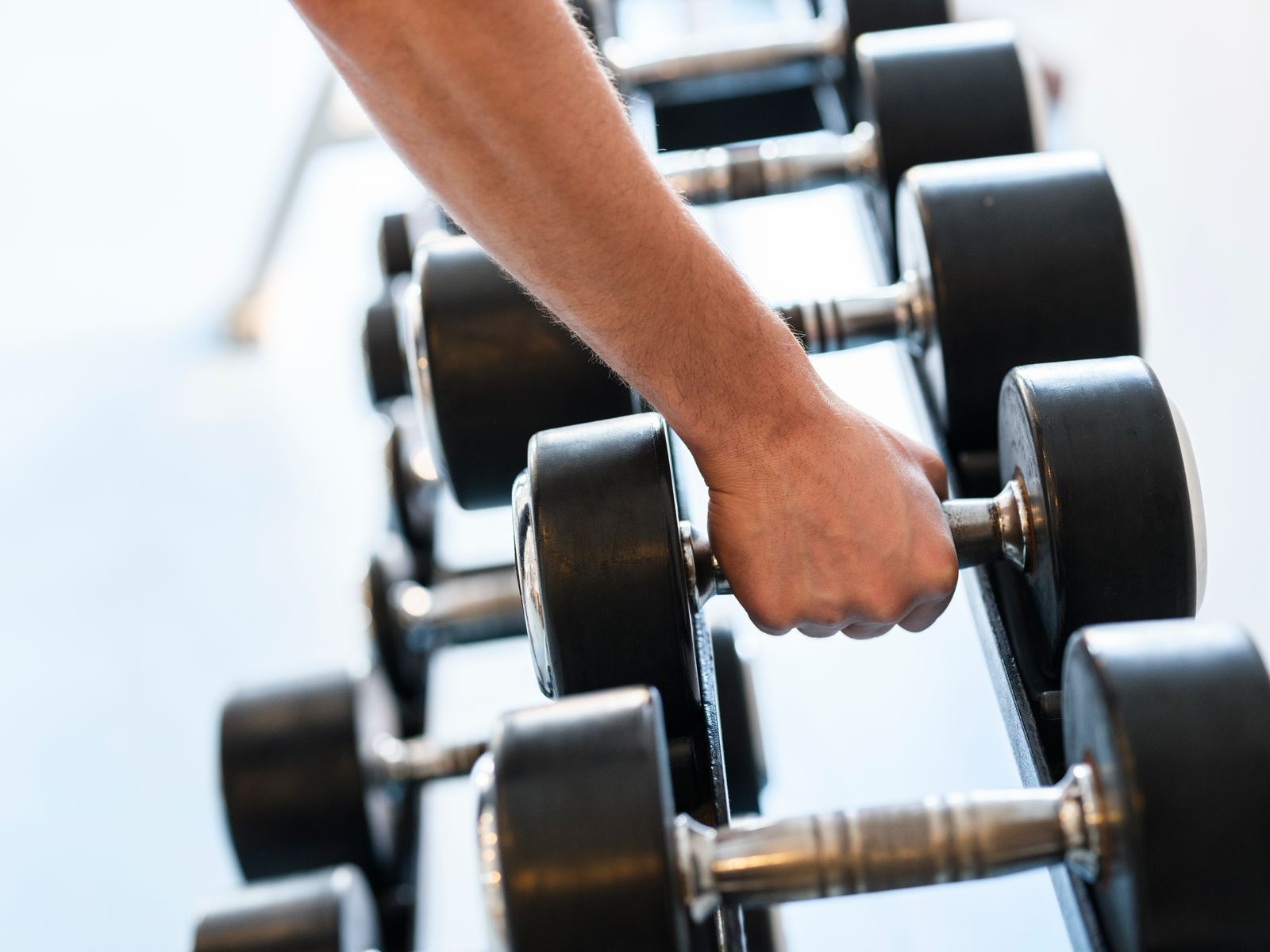
- Farmer’s carries: walking while holding heavy dumbbells or kettlebells at your sides
- Dead hangs from a pull-up bar, building time gradually
- Reducing reliance on lifting straps during compound lifts like deadlifts and rows
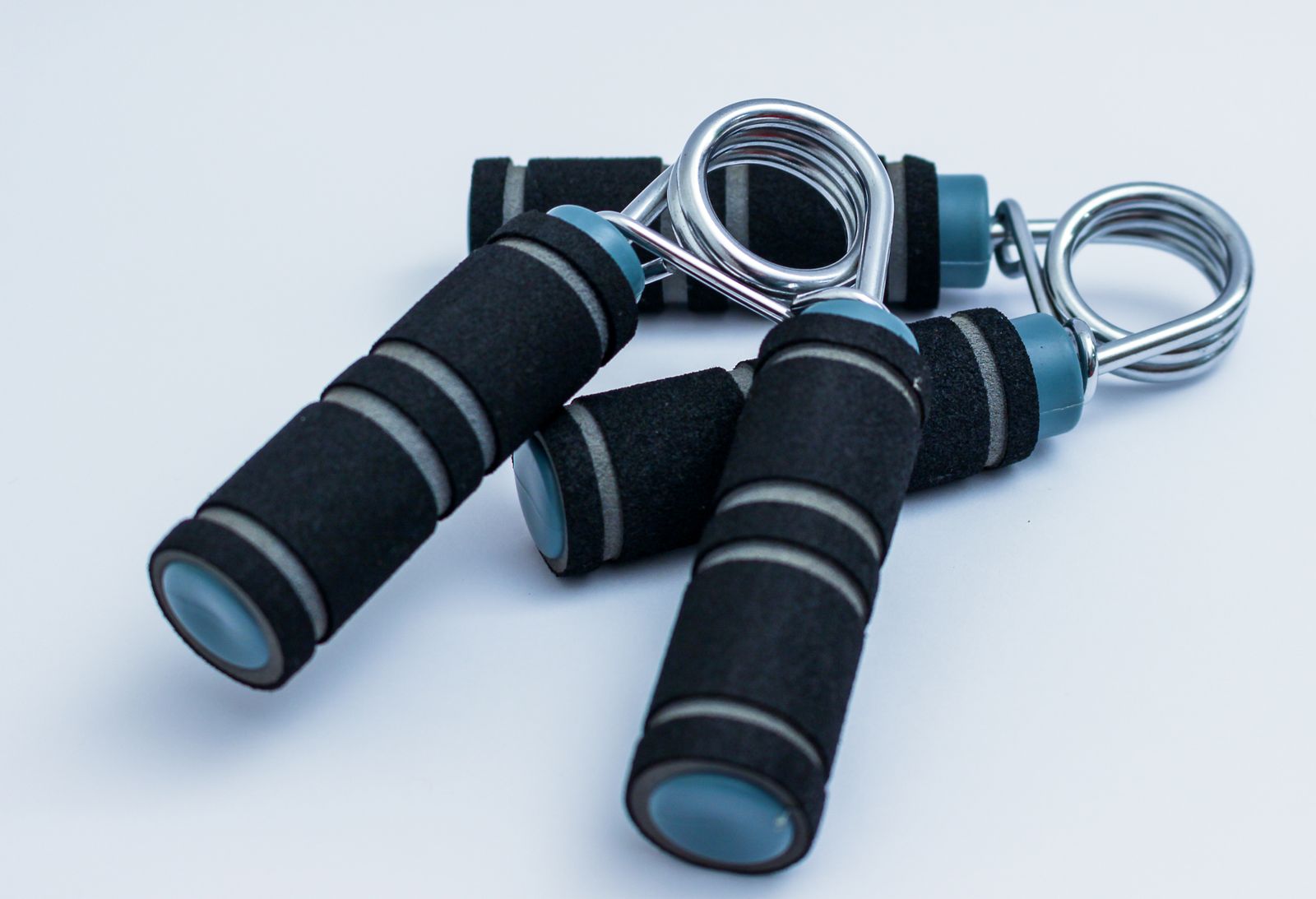
- Dedicated grip tools like hand grippers or thick-grip attachments
- Rock climbing or bouldering, which trains grip endurance and strength simultaneously
Because grip strength correlates so strongly with overall muscle mass, general resistance training that builds strength throughout the body, not just direct grip work, tends to improve it as a natural side effect.
Frequently Asked Questions
Is a home hand gripper as accurate as a clinical dynamometer? Not perfectly, but tracking your own number consistently over time with the same device gives a genuinely useful trend, even if the absolute number differs slightly from clinical norms.
Does grip strength decline meaningfully with age? Yes, typically starting a gradual decline from the 40s onward, accelerating somewhat after 65 — which is part of why maintaining it through resistance training is considered relevant to healthy aging, not just younger athletic performance.
Should I be worried about a single low reading? A single measurement is less meaningful than a trend. If you’re concerned about unusually low or rapidly declining grip strength, particularly alongside other symptoms, it’s worth discussing with a doctor rather than self-diagnosing from an online reference range.
Why Researchers Care About a Measure That Sounds So Simple
Grip strength, measured with a simple handheld dynamometer, has become one of the more studied biomarkers in aging and general health research, not because grip itself is uniquely important, but because it appears to function as a reliable, easily measured proxy for overall muscular strength and physiological resilience. Multiple large longitudinal studies, some following tens of thousands of participants over many years, have found grip strength independently predicts outcomes including all-cause mortality, cardiovascular disease, and disability risk, sometimes as strongly as or more strongly than more complex and expensive health assessments, which is a striking finding for a measurement that takes about ten seconds to perform.
Researchers believe grip strength works so well as a predictive marker because it reflects broader systemic muscle health and neuromuscular function, weak grip often correlates with lower overall muscle mass and strength throughout the body, and declining grip strength over time can be an early, measurable signal of the broader muscle loss (sarcopenia) that accompanies aging and various chronic conditions, sometimes appearing before more obvious functional decline is noticeable in daily life.
What Grip Strength Doesn’t Tell You On Its Own
It’s worth being careful about how this research gets interpreted. Grip strength being a strong statistical predictor across large populations doesn’t mean any single individual’s grip strength number is a precise personal health diagnosis, it’s a population-level marker most useful in research and broad screening contexts, similar to how blood pressure or cholesterol serve as risk markers rather than diagnoses on their own. Grip strength also isn’t purely a measure of hand and forearm training, genetics, age, sex, and overall muscular development all influence it, and someone with naturally smaller hands or frame isn’t necessarily less healthy than someone with a stronger raw grip number.
Grip strength research is also observational in nature for the most part, meaning it identifies strong associations rather than necessarily proving that improving grip strength directly, in isolation, would improve the other health outcomes it correlates with, the relationship likely reflects overall strength and health status rather than grip strength itself being the causal factor.
Using This Information Practically
Rather than training grip strength in isolation to chase a specific number, the more actionable takeaway from this research is that grip strength is largely a reflection of overall resistance training and general muscular fitness, meaning a well-rounded strength training program that builds overall muscle mass and strength, including exercises that naturally challenge grip like deadlifts, pull-ups, and farmer’s carries, tends to improve grip strength as a natural byproduct. Tracking grip strength periodically, particularly for older adults where declining grip can be an early signal worth discussing with a doctor, is a reasonable, low-effort way to monitor broader strength trends over time.
Sources
- “Comparison of grip strength measurements for predicting all-cause mortality,” Scientific Reports
- “International norms for adult handgrip strength,” ScienceDirect (2.4 million adults, 69 countries)
- National Institute on Aging (NIH)
- American College of Sports Medicine
Final Thoughts
Grip strength is one of the rare health metrics you can test in your own kitchen with a $15 gripper, yet it tracks with some of the same long-term outcomes as far more elaborate testing. It’s not a diagnosis on its own, but a declining trend over the years is a reasonable signal to take general strength training more seriously, regardless of your age.
About the Author
This article was written and reviewed by Ethan Brooks, focused on translating public health information into clear, practical guidance for everyday readers. If you spot an error or have a correction, please contact us.