“Mobility” and “flexibility” get used interchangeably in casual conversation, but trainers and physical therapists treat them as genuinely distinct concepts — and the distinction actually matters for how you should train if the goal is moving better, not just touching your toes.

Flexibility: Passive Range of Motion
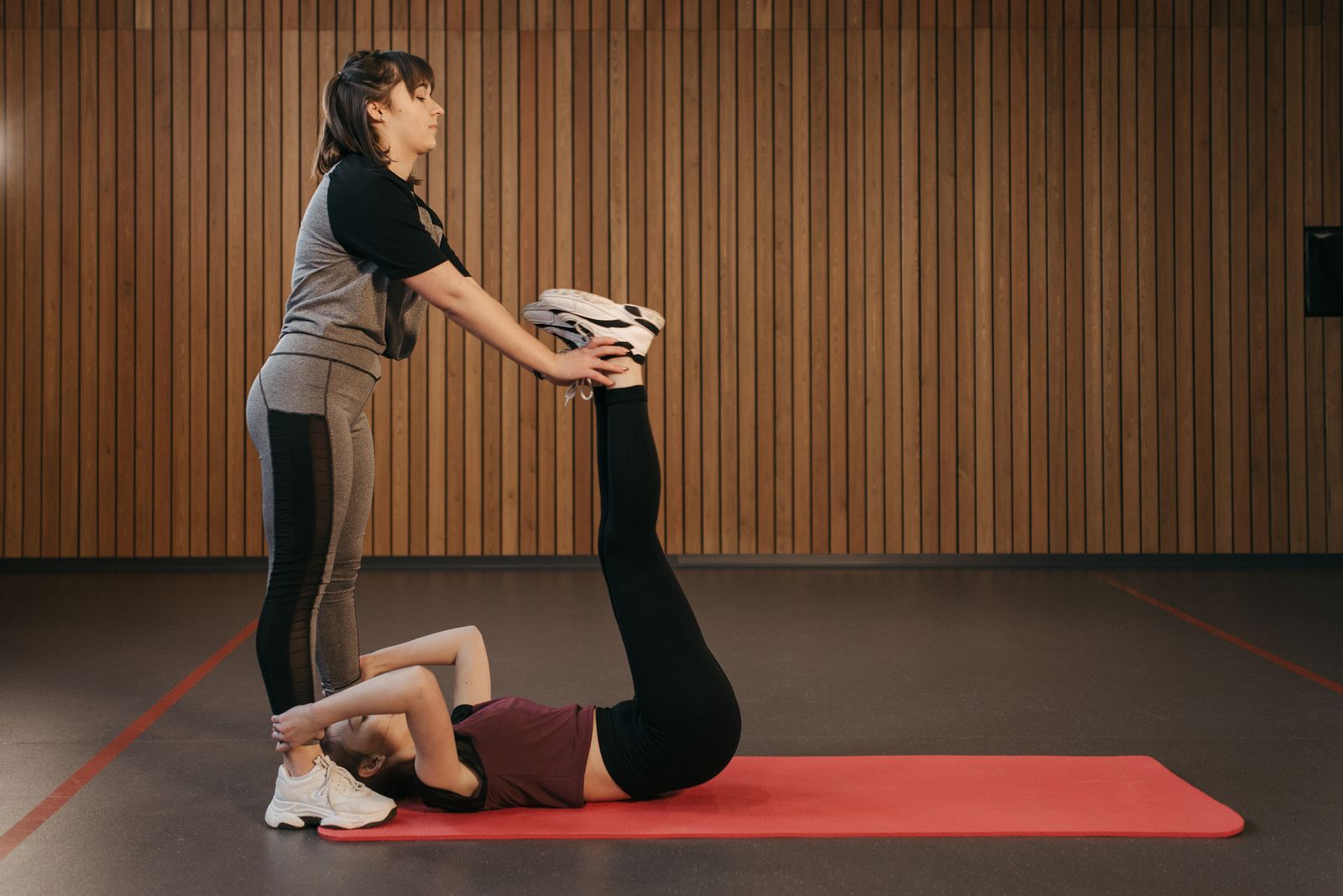
Flexibility refers to the passive range of motion available at a joint or muscle — essentially, how far a muscle can be lengthened, often measured or assisted by an external force, like gravity, a partner, or your own hands pulling a limb further. A static hamstring stretch, where you sit and reach for your toes without actively engaging the surrounding muscles to control the movement, is a classic flexibility measure.
Mobility: Active, Controlled Range of Motion
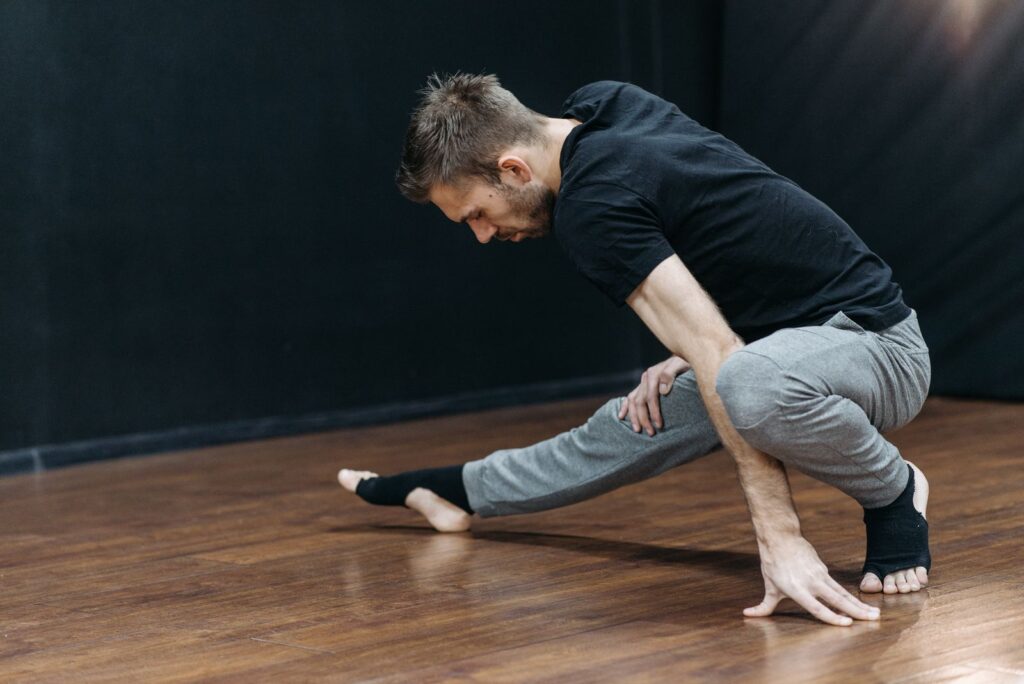
Mobility refers to the range of motion you can actively control and move through under your own strength, without external assistance. This requires both adequate flexibility (the tissue has to be able to lengthen) and adequate strength and motor control through that range. You can be flexible in a joint but lack mobility there if you don’t have the strength or coordination to actively move through and control that same range — a common example is someone with flexible hamstrings from passive stretching who still can’t control a deep, active squat.
Why This Distinction Matters for Training
Functional movement — squatting, reaching overhead, rotating your torso safely — depends on mobility, not flexibility alone. This is part of why some people with impressively flexible muscles from years of static stretching still struggle with functional movement quality or injury prevention: passive flexibility alone doesn’t automatically translate into the active control needed during real movement or exercise under load.
Building Both
- Static stretching: holding a passive stretch for 15-60 seconds, useful for building flexibility in a specific muscle
- Controlled articular rotations (CARs): actively moving a joint through its full available range under control, a common mobility-specific drill used by physical therapists and trainers
- Loaded stretching: stretching a muscle while under some load or tension, which trains both flexibility and the strength to control that range
- Dynamic warm-ups: active movements through a range of motion before exercise, which build functional mobility relevant to the activity ahead
Frequently Asked Questions
Do I need both flexibility and mobility work? Generally yes — adequate flexibility is a prerequisite for good mobility, but active mobility-specific training is what translates that available range into usable, controlled movement.
Is static stretching still useful? Yes, particularly for addressing specific areas of significant tightness, though pairing it with active mobility work generally produces more functional results than static stretching alone.
Two Different Physical Qualities
Flexibility is the passive range of motion available at a joint, essentially how far a muscle can be stretched, typically measured with your body relaxed and often assisted by gravity, a partner, or your own hands (like reaching down to touch your toes). Mobility is the active range of motion you can control with strength through a joint, meaning you’re not just capable of reaching a position, you can move into and hold that position under your own muscular control. A useful way to see the difference: someone might be flexible enough to be pushed into a full split by a partner, but if they can’t lift their leg to that same height under their own power, they lack mobility in that range even though the flexibility is technically present.
This distinction matters because the two don’t always move together. It’s entirely possible to be quite flexible in a passive stretch test while lacking the strength and motor control to actually use that range of motion functionally, which is one reason static flexibility alone doesn’t reliably predict athletic performance or injury risk the way many people assume.
Why Mobility Matters More for Daily Function and Injury Prevention
Most real-world movement, squatting to pick something up, reaching overhead, rotating to look behind you while driving, requires active, controlled range of motion, not passive flexibility. This is why sports medicine and physical therapy research has increasingly emphasized mobility training over pure static stretching for both performance and injury prevention: a joint that can actively move through its full functional range under load is generally more protective against injury than one that’s simply passively flexible but lacks the strength to control that range during real activity.
This doesn’t mean flexibility is unimportant, adequate passive range of motion is still a prerequisite for good mobility, you can’t actively control a range you don’t have access to at all. But flexibility alone, without the corresponding strength and control, doesn’t translate reliably into better function or lower injury risk on its own.
Training Both Effectively
A well-rounded approach includes both: static stretching to build available passive range of motion, ideally done after exercise or in dedicated sessions rather than as a pre-workout warm-up (where dynamic movement is more appropriate), and controlled strength work through full ranges of motion, like deep squats, overhead presses, and controlled rotational exercises, to convert that flexibility into usable mobility. Loaded stretching and controlled mobility drills, moving slowly and with control through a stretched position rather than just holding it passively, have grown in popularity specifically because they target both qualities at once rather than treating them as separate training goals.
Foam rolling and other self-myofascial release techniques are sometimes marketed as mobility tools, and while research shows modest short-term range-of-motion benefit, the effect is generally temporary and works best as a complement to, not a replacement for, active mobility and strength work through full ranges of motion.
Sources
- Physiopedia — Mobility and Flexibility
- American College of Sports Medicine — Flexibility and Mobility Guidelines
- American College of Sports Medicine
Final Thoughts
Flexibility is a building block; mobility is what actually shows up in how well you move day to day and in the gym. Training both, rather than relying on static stretching alone, gives a more complete and functional result.
This article is for general educational purposes and is not a substitute for personalized medical or fitness advice.
About the Author
This article was written and reviewed by Sarah Whitfield, focused on translating public health information into clear, practical guidance for everyday readers. If you spot an error or have a correction, please contact us.