
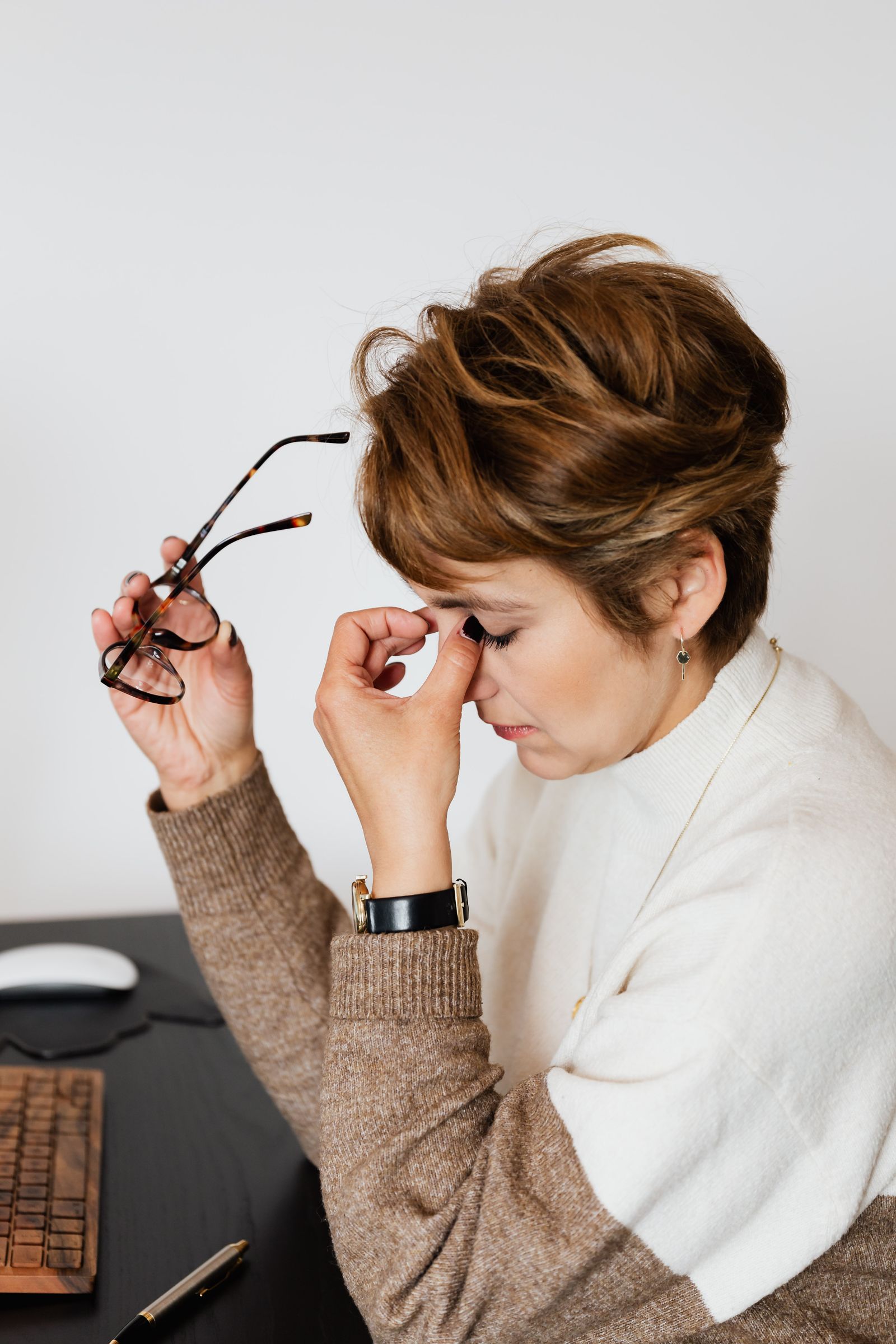
Persistent tiredness gets blamed on a lot of things — poor sleep, stress, simply being busy — but one common and often overlooked cause is iron-deficiency anemia. It’s the most common type of anemia worldwide, and it’s usually very treatable once identified.
Why Iron Matters
Iron is a core component of hemoglobin, the protein in red blood cells that carries oxygen from the lungs to tissues throughout the body. When iron stores run low, the body can’t produce enough healthy red blood cells, so tissues receive less oxygen — which is what produces the hallmark fatigue and other symptoms of iron-deficiency anemia.
Common Symptoms
- Persistent fatigue and weakness, often disproportionate to activity level
- Pale skin, and pale inner eyelids or nail beds
- Shortness of breath with mild exertion
- Dizziness or lightheadedness
- Brittle nails, and in some cases unusual cravings for non-food items (a condition called pica)
- Cold hands and feet
Common Causes
Iron-deficiency anemia can result from inadequate dietary iron intake, but it’s frequently caused or worsened by blood loss, including heavy menstrual periods, or gastrointestinal blood loss from ulcers, polyps, or other conditions that may need medical evaluation in their own right. Increased iron needs during pregnancy are another common cause. Because underlying causes vary widely in seriousness, a new anemia diagnosis, especially in someone not menstruating heavily, generally warrants investigation into why it’s happening rather than treating the low iron in isolation.
Diagnosis and Treatment
Iron-deficiency anemia is typically identified through blood tests, including a complete blood count and iron studies (such as ferritin, a marker of stored iron). Treatment usually involves oral iron supplementation, dietary changes emphasizing iron-rich foods (red meat, poultry, fish, beans, lentils, spinach), and addressing any underlying cause of blood loss or absorption issues. Vitamin C can improve absorption of dietary iron when consumed together with iron-rich foods, while coffee and tea can reduce it if consumed at the same meal.
Frequently Asked Questions
Can iron-deficiency anemia be diagnosed from symptoms alone? No — symptoms overlap with many other conditions, so a blood test is needed to confirm iron-deficiency anemia and rule out other causes of fatigue.
Is it safe to take iron supplements without a diagnosis? Taking iron supplements without confirmed deficiency isn’t recommended, since excess iron can be harmful, and unexplained fatigue may have a cause unrelated to iron that supplementation wouldn’t address.
Why Iron Deficiency Leads to Anemia
Iron is a core building block of hemoglobin, the protein in red blood cells that carries oxygen from your lungs to the rest of your body. When iron stores run low, your body can’t produce enough healthy hemoglobin, and red blood cells become smaller and paler than normal, a change visible on standard bloodwork. Because oxygen delivery is reduced throughout the body, the resulting symptoms, fatigue, weakness, pale skin, shortness of breath on exertion, dizziness, and cold hands and feet, tend to develop gradually, which is why iron-deficiency anemia is often mistaken for ordinary tiredness or attributed to stress and poor sleep for months before it’s identified.
Less commonly recognized symptoms include unusual cravings for non-food substances like ice or dirt (a condition called pica), brittle nails, hair thinning, and a sore or unusually smooth-looking tongue, any of which can be a useful clue pointing toward iron status specifically rather than generic fatigue.
Who’s Actually at Risk
Iron deficiency isn’t randomly distributed. Menstruating women and girls are at meaningfully higher risk due to regular blood loss, and heavy menstrual periods specifically are one of the most common causes of iron-deficiency anemia in otherwise healthy adults. Pregnancy substantially increases iron requirements to support increased blood volume and fetal development. People with GI conditions that affect absorption, like celiac disease or inflammatory bowel disease, or that cause chronic blood loss, like ulcers, are at elevated risk. Vegetarians and vegans can also be at higher risk because plant-based (non-heme) iron is absorbed less efficiently than iron from animal sources, though this is very manageable with informed food choices.
Frequent blood donors, endurance athletes (partly due to a phenomenon sometimes called “sports anemia” and increased iron loss through sweat and GI microbleeding), and older adults, in whom unexplained iron deficiency should always be evaluated for a possible underlying GI source, round out the higher-risk groups.
What Actually Helps, and Why Self-Treating Is Risky
Confirmed iron-deficiency anemia is typically treated with iron supplementation at a dose and duration determined by a doctor based on bloodwork, often alongside dietary changes emphasizing iron-rich foods like red meat, poultry, fish, beans, and fortified cereals, paired with vitamin C, which enhances non-heme iron absorption. It’s worth being direct about the risk of self-supplementing without a diagnosis: taking iron supplements without confirmed deficiency can mask an underlying cause that needs its own evaluation, and iron overload is a genuine health risk in people who don’t actually need supplementation, particularly those with a genetic condition called hemochromatosis. Any persistent fatigue pattern that looks like this deserves bloodwork before starting supplements, not a supplement bottle before bloodwork.
Cooking in cast iron cookware can modestly increase the iron content of food, particularly acidic dishes like tomato sauce, a small but interesting side effect documented in nutrition research that’s worth knowing even though it’s not a substitute for addressing a genuine diagnosed deficiency.
Sources
- American Society of Hematology — Iron-Deficiency Anemia
- National Institutes of Health, Office of Dietary Supplements — Iron Fact Sheet
- NIH Office of Dietary Supplements
- MedlinePlus (U.S. National Library of Medicine)
Final Thoughts
Persistent, unexplained fatigue is worth a conversation with a healthcare provider, and a simple blood test can determine whether iron-deficiency anemia is a factor. Because it can signal an underlying issue beyond diet, it’s worth investigating rather than self-treating.
This article is for general educational purposes and is not a substitute for personalized medical advice. If you suspect anemia, consult a healthcare provider for testing.
About the Author
This article was written and reviewed by Maya Chen, focused on translating public health information into clear, practical guidance for everyday readers. If you spot an error or have a correction, please contact us.