
Resting heart rate is one of the simplest health metrics you can measure yourself, with nothing more than a watch or your own two fingers. It’s also a genuinely useful marker of cardiovascular fitness and, over time, a good baseline to notice when something in your body has changed.

How to Measure It Yourself
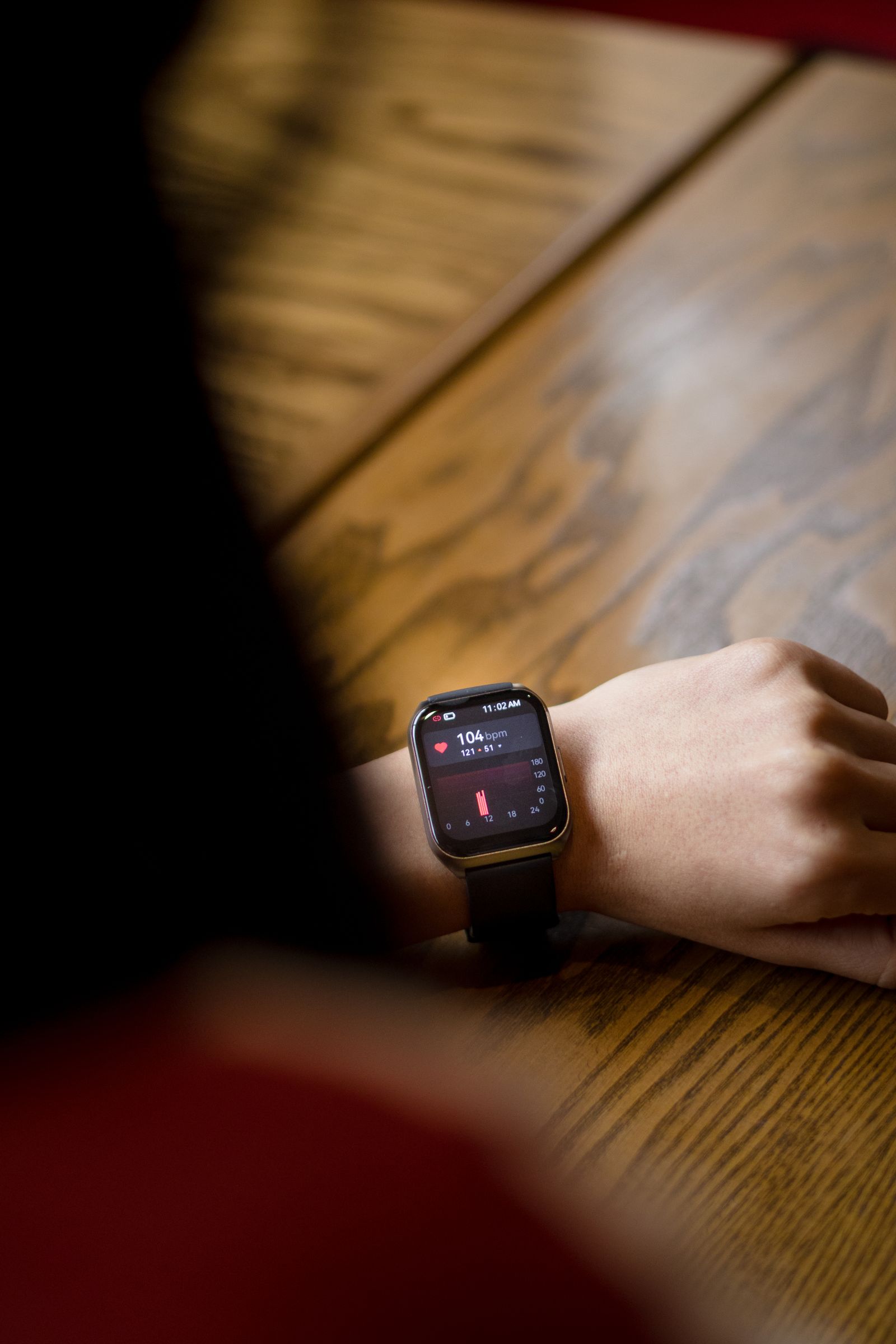
Resting heart rate is best measured first thing in the morning, before getting out of bed, while you’re still calm and haven’t had caffeine. Place two fingers (not your thumb, which has its own pulse) on your wrist or neck, count the beats for 30 seconds, and multiply by two — or count for a full 60 seconds for slightly more precision. A fitness tracker or smartwatch with an optical heart rate sensor can also give a reading, usually averaged over a period of low activity.
Check Your Resting Heart Rate Category
Resting Heart Rate Checker
This tool provides a general reference range only. It is not a diagnosis, and unusual readings should be discussed with a healthcare provider, especially if accompanied by symptoms like dizziness or chest discomfort.
What Affects Resting Heart Rate
- Cardiovascular fitness: regular aerobic exercise tends to lower resting heart rate over time as the heart becomes more efficient per beat
- Stress and sleep: poor sleep and elevated stress tend to raise resting heart rate
- Dehydration: can cause a temporary increase as the heart works harder to maintain blood pressure
- Caffeine and stimulants: can temporarily elevate heart rate for hours after consumption
- Certain medications: some, like beta blockers, deliberately lower heart rate; others can raise it
Frequently Asked Questions
Is a lower resting heart rate always better? Generally, within the normal range, lower tends to reflect better cardiovascular fitness — but a very low heart rate paired with symptoms like fainting or extreme fatigue should be checked by a doctor rather than assumed to be a fitness marker.
How much can resting heart rate change with regular exercise? It varies by individual, but consistent aerobic training over months can lower resting heart rate by several beats per minute for many people.
What Resting Heart Rate Actually Reflects
Resting heart rate is the number of times your heart beats per minute while you're at complete physical rest, most accurately measured first thing in the morning before getting out of bed. It reflects how efficiently your heart pumps blood: a lower resting heart rate generally means your heart moves more blood per beat, so it doesn't need to beat as often to meet your body's baseline demands. This is a large part of why trained endurance athletes often have resting heart rates in the 40s, well below the commonly cited "normal" range, since consistent cardiovascular training increases the heart's stroke volume over time.
For most adults, a resting heart rate between 60 and 100 beats per minute is considered typical, though this range is wide enough that where you personally fall matters more in the context of your own baseline than as an absolute cutoff. What's more useful clinically than a single reading is your trend over time: a resting heart rate that's meaningfully higher than your personal normal, especially alongside fatigue, can be an early signal of overtraining, illness, dehydration, or poor sleep before other symptoms show up.
What Can Push It Higher or Lower
Beyond fitness level, resting heart rate is influenced by a long list of everyday factors: caffeine, stress, dehydration, poor sleep, fever or illness, and certain medications can all raise it temporarily, while some blood pressure medications, high fitness levels, and simply being well-rested can lower it. Body position and even the time of day you measure it can shift the number slightly, which is why consistency in how and when you measure matters more than chasing a single "best" reading.
A consistently very low resting heart rate (well below 60) without a background of athletic training, or a consistently high one (above 100, called tachycardia) at rest, are both worth discussing with a doctor rather than assuming either is automatically a fitness marker, since both can occasionally point to an underlying heart rhythm or thyroid issue that needs evaluation.
Using It as a Practical Tool
Many people find resting heart rate most useful not as a one-time number but as a simple daily check-in, especially if you exercise regularly. A resting heart rate 5-10 beats above your personal average for a few consecutive mornings is a reasonably reliable early sign that your body is under more stress than usual, whether from training load, poor sleep, illness, or life stress, and can be a practical cue to scale back intensity or prioritize recovery before symptoms become more obvious.
Wearable devices have made daily resting heart rate tracking far more accessible than manual pulse checks, and many people find the trend line more informative over weeks than any single morning reading, since day-to-day noise averages out.
Certain medications, including beta-blockers and some other heart and blood pressure medications, directly affect heart rate, which is an important context to share with a doctor when discussing any concerning resting heart rate reading, since it may be an expected medication effect rather than a new health signal.
Sources
- American Heart Association — All About Heart Rate
- CDC — Heart Rate and Health
- American Heart Association
- NHLBI (National Heart, Lung, and Blood Institute)
Final Thoughts
Resting heart rate is a simple number that says a surprising amount about cardiovascular fitness and day-to-day stress load. Tracking it occasionally, especially first thing in the morning, is an easy way to notice trends in your own baseline over time.
This article is for general educational purposes and is not a substitute for personalized medical advice.
About the Author
This article was written and reviewed by Ethan Brooks, focused on translating public health information into clear, practical guidance for everyday readers. If you spot an error or have a correction, please contact us.