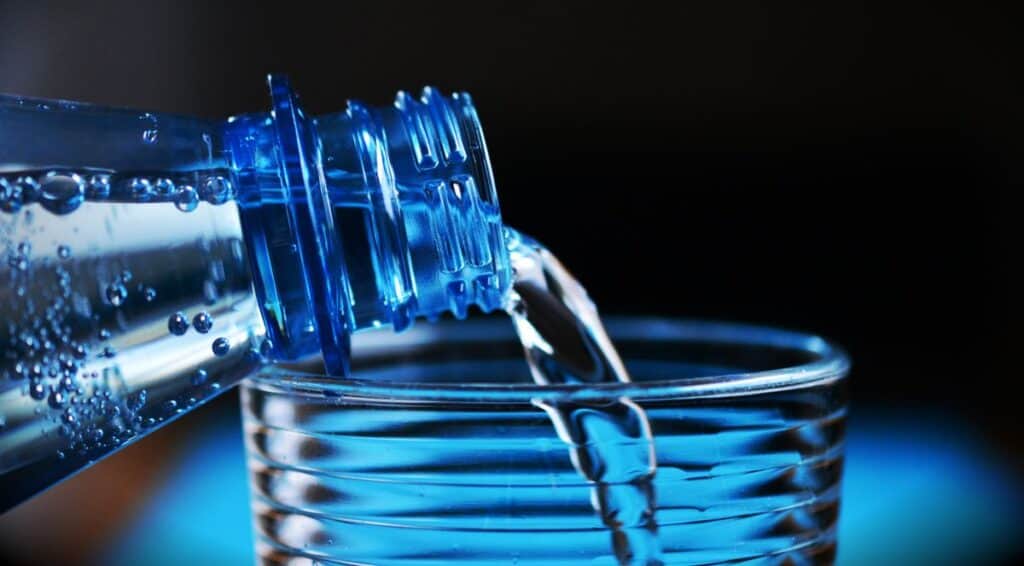
Drink eight glasses of water a day. It is one of the most repeated pieces of health advice, yet it is also one of the least precise. The truth is that hydration needs vary a lot from person to person, and the right amount depends on your body size, activity level, the climate you live in, and even what you eat. Understanding how hydration actually works can help you stop worrying about hitting an arbitrary number and start paying attention to signals your body already gives you.

Why Hydration Matters
Water is involved in nearly every basic bodily function. It helps regulate temperature, cushions and lubricates joints, protects sensitive tissues, and carries nutrients and oxygen to cells while helping the body eliminate waste. Even mild dehydration, a loss of as little as one to two percent of body weight in fluid, has been linked to noticeable drops in concentration, mood changes, headaches, and reduced physical performance.
How Much Water You Actually Need
So how much is actually enough? General guidance from the Mayo Clinic suggests that healthy adults need roughly 11.5 to 15.5 cups of total fluids a day from all sources, with the exact number varying by sex, body size, and lifestyle. Importantly, that figure is not just about the water you drink directly. Coffee, tea, milk, and other beverages all count toward fluid intake, and so does food. Water-rich fruits and vegetables such as watermelon, cucumber, and strawberries can supply a meaningful share of your daily fluids, with food generally contributing around one-fifth of total intake for most people.
Factors That Increase Your Needs
Several factors can push your fluid needs higher than a generic daily target. Exercise is the most obvious one: any activity that makes you sweat increases how much fluid you need before, during, and after the session. Hot or humid weather has a similar effect, as does spending time at high altitude. Illnesses involving fever, vomiting, or diarrhea increase fluid losses substantially, and pregnancy and breastfeeding both raise baseline hydration needs as well.
Calculate Your Daily Water Needs
Enter your details for a quick, personalized estimate. This is a general guideline, not medical advice.
Signs You Are Getting Enough
Rather than tracking ounces throughout the day, it is often more practical to watch for a few simple signals. According to the Mayo Clinic, you are probably getting enough fluid if you rarely feel thirsty and your urine is colorless or light yellow. On the other hand, dark yellow urine, infrequent urination, headaches, dizziness, and unusually low energy can all be signs that you need to drink more. Thirst itself is a reasonably reliable cue for most healthy adults, although it tends to become a less sensitive signal with age, which is one reason older adults are sometimes advised to drink on a schedule rather than waiting to feel thirsty.
In practice, most people do not notice mild dehydration as thirst at all. It shows up as a mid-afternoon headache blamed on screen time, or a workout that feels harder than it should for no clear reason. Keeping a water bottle somewhere visible, like a desk or a car cupholder, tends to do more for daily intake than any tracking app, simply because refilling something in front of you takes less willpower than remembering a number.
What Counts Toward Your Fluid Intake

When it comes to what to drink, not all beverages are equally good choices. The CDC recommends plain water, sparkling water, and unsweetened coffee or tea as good low-calorie options for staying hydrated. Milk and fortified milk alternatives can also contribute useful nutrients like calcium and vitamin D alongside fluid. On the other hand, sugary sodas, sports drinks, and energy drinks tend to add substantial calories with little nutritional benefit, and relying on them as a primary source of hydration can work against other health goals over time, even when sugar-free versions are used instead.
Can You Drink Too Much Water?
It is also possible, though far less common, to drink too much water. Overhydration can dilute sodium levels in the blood, a condition called hyponatremia, which is most often seen in endurance athletes who drink excessive amounts of plain water over long events without replacing electrolytes. For the average person going about a normal day, this is rarely a practical concern, but it is a useful reminder that more is not always better when it comes to fluid intake.
Final Thoughts
The most useful takeaway is that hydration is not a one-size-fits-all number pulled from an old rule of thumb. It is a moving target shaped by your body, your environment, and your daily routine. Paying attention to thirst, urine color, and how you feel during and after activity will generally get you closer to the right amount for you than trying to hit a fixed glass count. On hotter days, during workouts, or when you are unwell, simply plan to drink more than usual and lean on water-rich foods and lower-calorie beverages to help close the gap.
Sources
CDC — About Water and Healthier Drinks
Mayo Clinic — Water: How much should you drink every day?
Harvard T.H. Chan School of Public Health — How Much Water Do You Need?
This article is for general educational purposes and is not a substitute for personalized medical advice. Consult a healthcare provider about your individual fluid needs, especially if you have a kidney, heart, or endocrine condition.
About the Author
This article was written and reviewed by the Drxty Editorial Team, using publicly available guidance from sources such as the CDC, NIH, and HHS (linked above). Our team focuses on translating public health information into clear, practical guidance for everyday readers. If you spot an error or have a correction, please contact us.