
Sleep occupies a strange place in modern life: everyone agrees it’s important, yet it’s routinely the first thing sacrificed when a schedule gets tight. Late nights finishing work, scrolling through a phone “just for a few more minutes,” or staying up to catch a favorite show all chip away at a resource that, unlike almost anything else in health and wellness, doesn’t have a good substitute. You can’t fully make up for chronic sleep deprivation with supplements, willpower, or a strong cup of coffee.
This article covers why sleep matters as much as the research suggests it does, what actually happens in your body during sleep, and how to build a realistic sleep routine — often called sleep hygiene — that improves your sleep quality without requiring an unrealistic lifestyle overhaul.
Why Sleep Matters More Than Most People Realize
Cognitive function. Sleep plays a central role in memory consolidation, learning, decision-making, and attention. Even a single night of significantly shortened sleep measurably impairs reaction time and cognitive performance, with effects that can be comparable to functioning at a meaningfully impaired level.
Emotional regulation. Sleep deprivation is strongly linked to increased irritability, reduced emotional resilience, and greater reactivity to stress. The brain’s ability to process and regulate emotional responses appears to depend significantly on adequate sleep, particularly REM sleep.
Metabolic and cardiovascular health. Chronic insufficient sleep has been associated with increased risk of obesity, type 2 diabetes, and cardiovascular disease, likely through effects on hunger-regulating hormones, insulin sensitivity, and blood pressure regulation.
Immune function. Sleep supports immune system function, and research has found that people who sleep less are more susceptible to common illnesses like colds after exposure to a virus, compared to well-rested individuals.
Physical recovery and athletic performance. For anyone engaged in regular exercise, sleep is when a significant portion of muscle repair and growth hormone release occurs, making it a core component of fitness recovery, not just a separate wellness category.
Long-term brain health. Emerging research suggests sleep plays a role in clearing metabolic waste products from the brain, including some associated with neurodegenerative conditions, adding a long-term brain health dimension to the case for prioritizing adequate sleep throughout life.
How Much Sleep Do You Actually Need?
Most adults need seven to nine hours of sleep per night, according to guidelines from the National Sleep Foundation and other major health organizations, though individual needs vary somewhat within this range. Some rare individuals genuinely function well on less due to specific genetic variants, but this describes a very small percentage of the population — the vast majority of people who believe they “function fine” on five or six hours are, in reality, operating with an accumulated sleep debt that impairs performance in ways they’ve simply adapted to not noticing.
Sleep needs also vary by life stage: teenagers generally need eight to ten hours, and needs can shift somewhat with age, though the common belief that older adults need dramatically less sleep isn’t well supported — sleep architecture changes with age (often becoming lighter and more fragmented), but the underlying need for adequate total sleep remains fairly consistent throughout most of adulthood.
Understanding Sleep Architecture
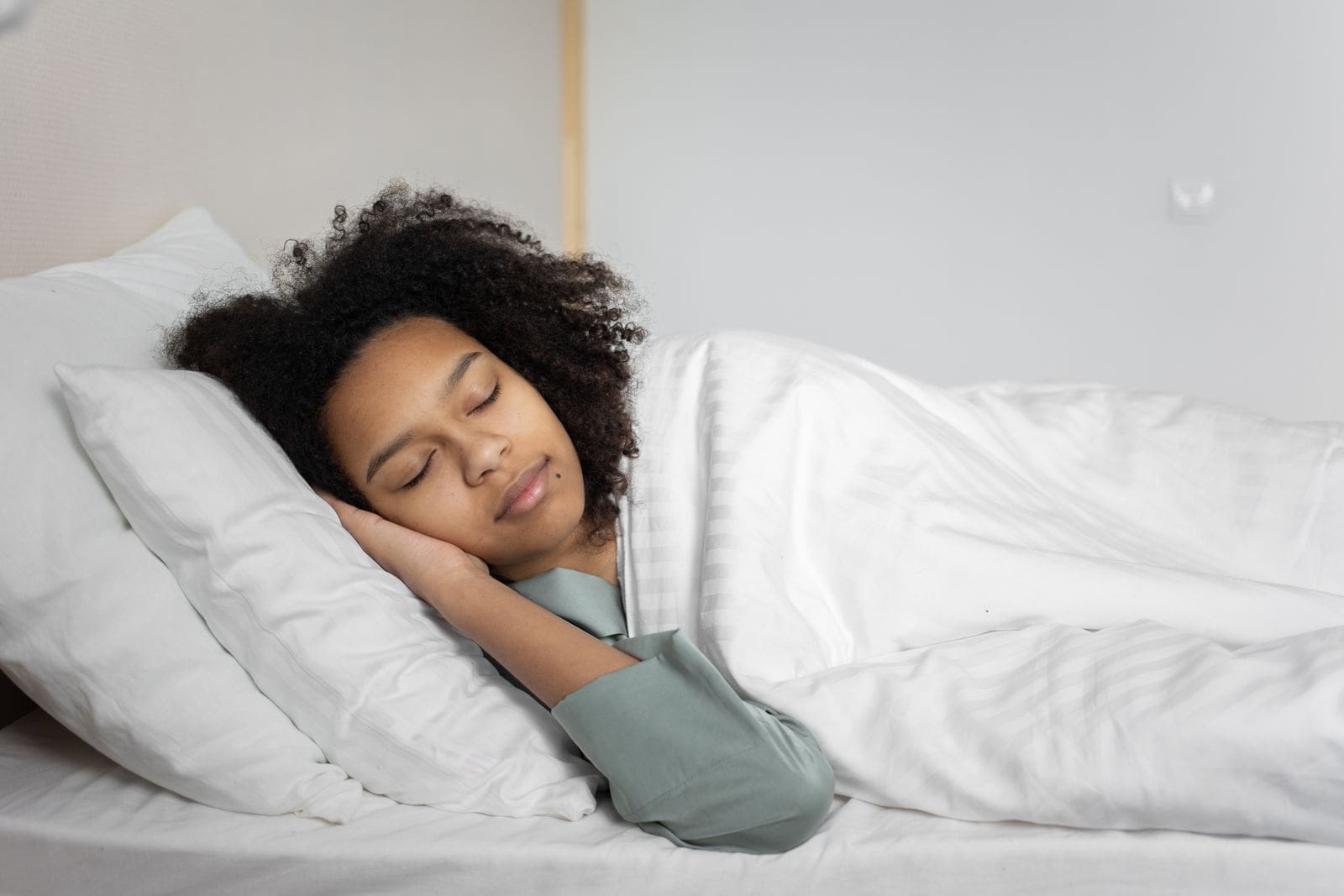
Sleep isn’t a single uniform state; it cycles through several distinct stages roughly every 90 minutes throughout the night.
Light sleep makes up the largest portion of total sleep time and serves as a transition between wakefulness and deeper sleep stages.
Deep sleep (slow-wave sleep) is when the body performs much of its physical restoration, including the release of growth hormone and immune system support. Deep sleep tends to be concentrated in the earlier part of the night.
REM (rapid eye movement) sleep, associated with dreaming and considered particularly important for emotional processing and memory consolidation, becomes more concentrated in the later portion of the night, which is part of why cutting sleep short by waking up early disproportionately reduces REM sleep compared to other stages.
Both deep sleep and REM sleep serve distinct, important functions, which is part of why sleep quality — getting adequate time in each stage — matters alongside total sleep duration.
The Core Principles of Good Sleep Hygiene
Consistency. Going to bed and waking up at roughly the same time every day, including weekends, is one of the most impactful things you can do for sleep quality, since it reinforces your circadian rhythm — the internal clock governing your sleep-wake cycle.
Light exposure management. Bright light, particularly blue light from screens, in the evening can suppress melatonin production and delay your body’s natural transition toward sleep. Conversely, bright light exposure in the morning helps anchor your circadian rhythm and supports feeling sleepy at an appropriate time that evening.
A cool, dark, quiet sleep environment. Most sleep experts recommend a bedroom temperature around 65 to 68 degrees Fahrenheit for optimal sleep, along with blackout curtains or an eye mask if needed, and minimizing noise disruptions through earplugs or a white noise machine if your environment is loud.
Caffeine timing. Caffeine has a half-life of roughly five to six hours, meaning a substantial amount remains in your system many hours after consumption. Limiting caffeine intake to the morning and early afternoon helps avoid interference with falling asleep later that night, even if you don’t consciously feel “wired.”
Alcohol awareness. While alcohol can make some people feel sleepy initially, it disrupts sleep architecture later in the night, reducing REM sleep and often causing early waking, meaning it tends to reduce overall sleep quality even when it doesn’t feel that way in the moment.
A wind-down routine. A consistent, relaxing pre-sleep routine — dimming lights, reading, gentle stretching, or a warm shower — signals to your body that sleep is approaching, similar to how a consistent morning routine signals wakefulness.
Building a Realistic Bedtime Routine
Sleep happens in cycles of about 90 minutes. Waking up at the end of a cycle, rather than in the middle of one, tends to feel less groggy. Pick either a wake-up time or a bedtime to see the matching options.

60 minutes before bed: Dim household lights and reduce bright overhead lighting, begin winding down from work-related tasks.
30–45 minutes before bed: Put away screens if possible, or switch to night mode/blue light filtering if screen use is unavoidable. Engage in a calming activity: reading, light stretching, journaling, or a warm shower.
15–20 minutes before bed: Prepare your sleep environment — adjust the thermostat, close blackout curtains, set out water if needed.
At bedtime: Get into bed only when genuinely sleepy, rather than lying awake trying to force sleep, since spending extended time awake in bed can weaken the mental association between your bed and sleep over time.
What to Do When You Can’t Fall Asleep
If you find yourself lying awake for more than about 20 minutes, sleep experts generally recommend getting out of bed and doing a quiet, low-stimulation activity in dim light — reading a physical book, for example — until you feel sleepy again, then returning to bed. This technique, sometimes called stimulus control, helps preserve the mental association between your bed and sleep, preventing the bed from becoming associated with frustration and wakefulness instead.
Avoid checking the clock repeatedly, since this often increases anxiety about the time remaining before you need to wake up, which paradoxically makes falling asleep harder. Avoid bright screens during these wakeful periods, since they can further delay melatonin production and increase alertness.
Common Sleep Disruptors Worth Addressing
Irregular schedules, including significant weekend “social jet lag” caused by dramatically different sleep and wake times on days off compared to workdays.
Excessive evening screen use, both from light exposure and from the mentally stimulating or stressful content often consumed right before bed (news, work email, intense entertainment).
Late, heavy meals close to bedtime, which can cause digestive discomfort that interferes with falling asleep.
Untreated sleep disorders, such as sleep apnea, insomnia, or restless leg syndrome, which require specific medical evaluation and treatment beyond general sleep hygiene practices.
Chronic stress and unaddressed anxiety, which can make it difficult to mentally disengage at bedtime regardless of how well-optimized your sleep environment and routine are.
Napping too long or too late in the day, which can reduce your body’s sleep drive by bedtime. Short naps (20–30 minutes) earlier in the day are generally less disruptive than longer or later naps.
When to Seek Professional Help for Sleep Issues
While general sleep hygiene improvements help many people, some sleep difficulties warrant professional evaluation. Signs that suggest it’s time to consult a healthcare provider include chronic difficulty falling or staying asleep that persists for more than a few weeks despite good sleep hygiene, loud snoring combined with gasping or pauses in breathing during sleep (a possible sign of sleep apnea), excessive daytime sleepiness despite adequate time in bed, or sleep difficulties significantly affecting your daily functioning, mood, or safety (such as drowsy driving). Cognitive behavioral therapy for insomnia (CBT-I) is considered a first-line, evidence-based treatment for chronic insomnia and is often more effective long-term than sleep medication alone.
Sleep and Diet: An Underrated Connection
The relationship between what you eat and how well you sleep runs in both directions. Poor sleep has been shown to increase levels of ghrelin (a hormone that stimulates appetite) and decrease leptin (a hormone that signals fullness), which helps explain why sleep-deprived people often report increased cravings, particularly for high-calorie, high-carbohydrate foods, the following day. This creates a cycle in which poor sleep drives less healthy eating patterns, which can in turn contribute to weight gain and metabolic issues that further impair sleep quality.
On the other side of the relationship, certain dietary patterns appear to support better sleep. Diets higher in fiber and lower in saturated fat and added sugar have been associated with deeper, more restorative sleep in some studies, while heavy, high-fat meals close to bedtime are more likely to cause the digestive discomfort that interferes with sleep onset. Certain nutrients, including magnesium and tryptophan (found in foods like turkey, dairy, nuts, and seeds), have a plausible biological role in supporting sleep, though the effect of any single food is generally modest compared to the impact of consistent, comprehensive sleep hygiene practices.
Hydration also plays a role: while adequate fluid intake throughout the day supports overall health, reducing fluid intake in the hour or two before bed can help prevent sleep-disrupting nighttime bathroom trips, particularly for those prone to waking during the night.
The Weekend Sleep Trap
One of the most common, well-intentioned mistakes people make with their sleep routine is dramatically shifting their sleep schedule on weekends — staying up much later and sleeping in much longer to “catch up” from a demanding week. While the underlying instinct to recover accumulated sleep debt is reasonable, shifting your sleep schedule by more than about an hour in either direction creates a phenomenon researchers call social jet lag, essentially a mini jet-lag effect from your body’s internal clock being pulled in a different direction than your weekday schedule.
This can make Monday mornings feel disproportionately difficult, as your circadian rhythm has partially readjusted to the weekend schedule and must readjust again for the workweek. A more sustainable approach involves keeping wake times within roughly an hour of your weekday schedule, even on days off, and instead addressing accumulated sleep debt by prioritizing an earlier bedtime rather than a dramatically later wake time. If a longer weekend sleep-in is truly needed, capping the difference and gradually returning to a consistent schedule can minimize the disruptive effect on your circadian rhythm heading into the new week.
This trap catches even people who consider themselves disciplined during the week. Someone might hold a strict 10:30 p.m. bedtime Monday through Friday, then stay up until 1 a.m. on Friday and Saturday because it finally feels like there is time to unwind. The following Monday morning feels like mild jet lag, for the same reason actual jet lag does: the body clock shifted and has to shift back.
Sleep Environment Details Worth Optimizing

For the full breakdown, including specific temperature targets and sourcing, see our dedicated guide to the ideal sleep environment.
Beyond the core temperature, darkness, and quiet recommendations covered earlier, a few additional environmental factors can meaningfully affect sleep quality. Mattress and pillow comfort, while highly individual, is worth periodically reassessing, since a mattress or pillow that no longer provides adequate support can contribute to both poor sleep quality and physical discomfort that isn’t always consciously connected to the sleep surface itself. Bedroom air quality, including humidity levels and ventilation, can also play a subtle role, with very dry air sometimes contributing to airway irritation that disrupts sleep for some people, particularly in climates with forced-air heating during colder months.
Electronic device placement deserves particular attention beyond the screen-time concerns already discussed: even a phone on silent, placed within reach on a nightstand, has been associated with increased likelihood of checking it during nighttime awakenings, which can make returning to sleep more difficult due to both light exposure and mental stimulation from whatever content is viewed. Charging devices in another room entirely, using a traditional alarm clock instead, removes this temptation more effectively than relying on willpower alone during a groggy middle-of-the-night moment when self-control tends to be at its weakest.
Small environment changes tend to have an outsized effect precisely because they require no willpower once they are in place. Blackout curtains work every single night without needing to be remembered, unlike a habit such as "stop looking at my phone at 10 p.m." A dedicated no-phone charging spot outside the bedroom does something similar: it removes the decision entirely instead of relying on discipline at the exact moment discipline is weakest.
Adjusting Your Sleep Routine While Traveling
Travel, particularly across time zones, presents a specific sleep challenge worth addressing separately from general sleep hygiene. For trips crossing multiple time zones, gradually shifting your sleep schedule by an hour or so in the days before departure, when feasible, can ease the transition. Seeking bright light exposure at the appropriate time in your destination time zone (morning light if you need to shift earlier, evening light if shifting later) helps recalibrate your circadian rhythm more quickly than diet or supplement-based approaches alone. Staying hydrated during flights and minimizing alcohol consumption, which can worsen the effects of jet lag on top of its usual sleep-disrupting properties, are additional practical steps that support a faster adjustment to a new schedule.
Frequently Asked Questions
Is it bad to use my phone in bed? For most people, yes, primarily due to the combination of blue light exposure and mentally stimulating content that can delay sleep onset. If eliminating phone use before bed isn’t realistic, using night mode, reducing brightness, and choosing calmer content can help mitigate some of the impact.
How long does it take to fix a poor sleep routine? Many people notice improvements within one to two weeks of consistently applying good sleep hygiene practices, though establishing a fully stable circadian rhythm and reversing more significant accumulated sleep debt can take several weeks of consistent practice.
Are naps good or bad for sleep quality? Short naps (20–30 minutes) earlier in the day are generally not disruptive for most people and can provide a helpful energy boost. Longer naps or napping late in the afternoon can interfere with nighttime sleep by reducing your accumulated sleep drive by bedtime.
Does everyone need exactly eight hours of sleep? Individual needs vary within the general seven-to-nine-hour range recommended for most adults. Rather than fixating on a specific number, paying attention to how you feel — whether you wake up feeling rested and maintain steady energy throughout the day — is a useful practical indicator alongside general guidelines.
Can I “catch up” on sleep over the weekend? Sleeping in on weekends can provide some recovery from a sleep debt accumulated during the week, but it doesn’t fully reverse the effects of chronic sleep restriction, and dramatically different weekend sleep schedules can themselves disrupt your circadian rhythm, sometimes called “social jet lag.” Consistency throughout the week is a more effective long-term strategy than relying on weekend catch-up sleep.
Do sleep supplements like melatonin actually work? Melatonin can be helpful for specific situations, such as adjusting to jet lag or shift work, but it isn’t generally recommended as a long-term solution for chronic insomnia, and it isn’t a substitute for addressing underlying sleep hygiene or circadian rhythm issues. Because supplement quality and dosing can vary significantly between products, discussing melatonin or other sleep aids with a healthcare provider before regular use is a reasonable precaution.
Why do I wake up in the middle of the night and struggle to fall back asleep? This can result from a range of factors, including light sleep stages that naturally involve brief awakenings (which is normal and usually goes unnoticed), stress or anxiety, alcohol consumption, or an inconsistent sleep schedule. If it happens frequently and significantly affects how rested you feel, it’s worth discussing with a healthcare provider to rule out underlying sleep disorders.
Does exercise timing affect sleep quality? Regular exercise generally supports better sleep, though intense exercise very close to bedtime can be stimulating for some people, making it harder to wind down. Finishing vigorous workouts at least a few hours before bed, when your schedule allows, is a reasonable general guideline, though individual tolerance varies considerably.
Final Thoughts
Good sleep isn’t a luxury or an optional wellness add-on — it’s a foundational biological need that affects nearly every system in the body, from cognitive function and emotional regulation to metabolic and cardiovascular health. Building a consistent sleep schedule, managing light exposure, creating a calming wind-down routine, and addressing common disruptors like caffeine timing and screen use can meaningfully improve sleep quality for most people. For sleep difficulties that persist despite these changes, professional evaluation can identify underlying issues that general sleep hygiene alone won’t resolve.
Treat improving your sleep as a gradual, ongoing investment rather than an overnight fix, and give any new routine at least a couple of weeks before judging its effect, since the compounding benefits of consistent, good sleep tend to build steadily rather than appearing all at once.
Sources
This article is for general educational purposes and is not a substitute for personalized medical advice. Consult a healthcare provider if you have persistent sleep difficulties or suspect a sleep disorder.
About the Author
This article was written and reviewed by the Drxty Editorial Team, using publicly available guidance from sources such as the CDC, NIH, and HHS (linked above). Our team focuses on translating public health information into clear, practical guidance for everyday readers. If you spot an error or have a correction, please contact us.