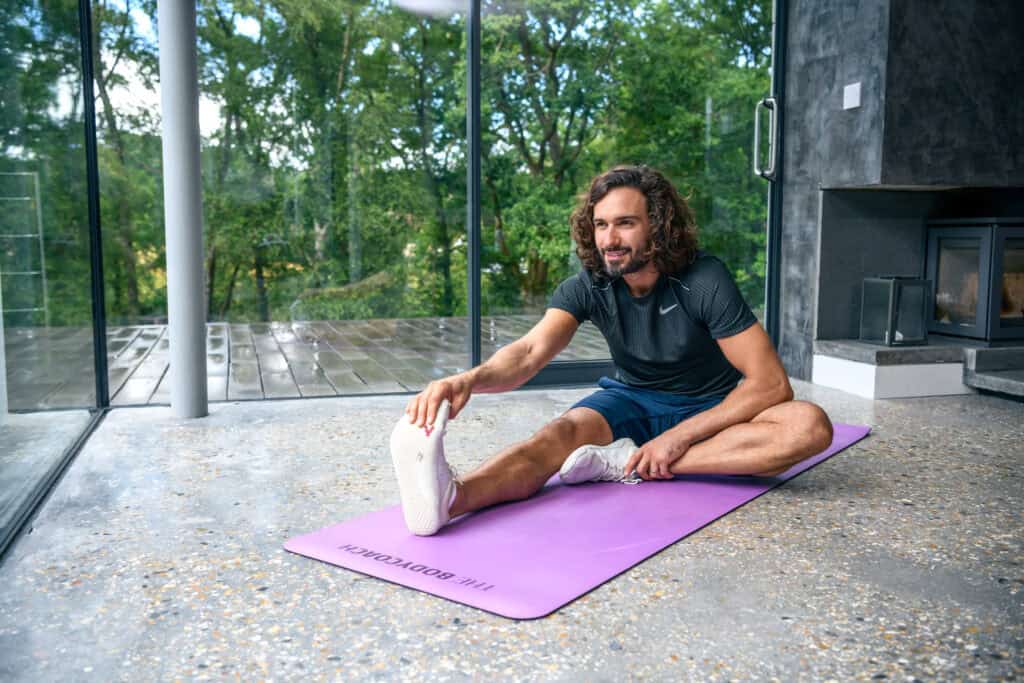
In a fitness culture that often celebrates working out every single day, rest can feel like the opposite of progress. It’s tempting to believe that more training always equals more results, and that a rest day is simply a day you didn’t try hard enough to find time to exercise. This belief is not only inaccurate, it can actively work against your goals. Recovery is not the absence of training — it’s the part of the training process where the actual physiological improvements you’re chasing take place.
This article explains the science of why rest matters, how much recovery time your body actually needs, what active recovery looks like, and how to build a training schedule that treats rest as a deliberate, productive part of your routine rather than an afterthought.
The Physiology of Why Rest Matters
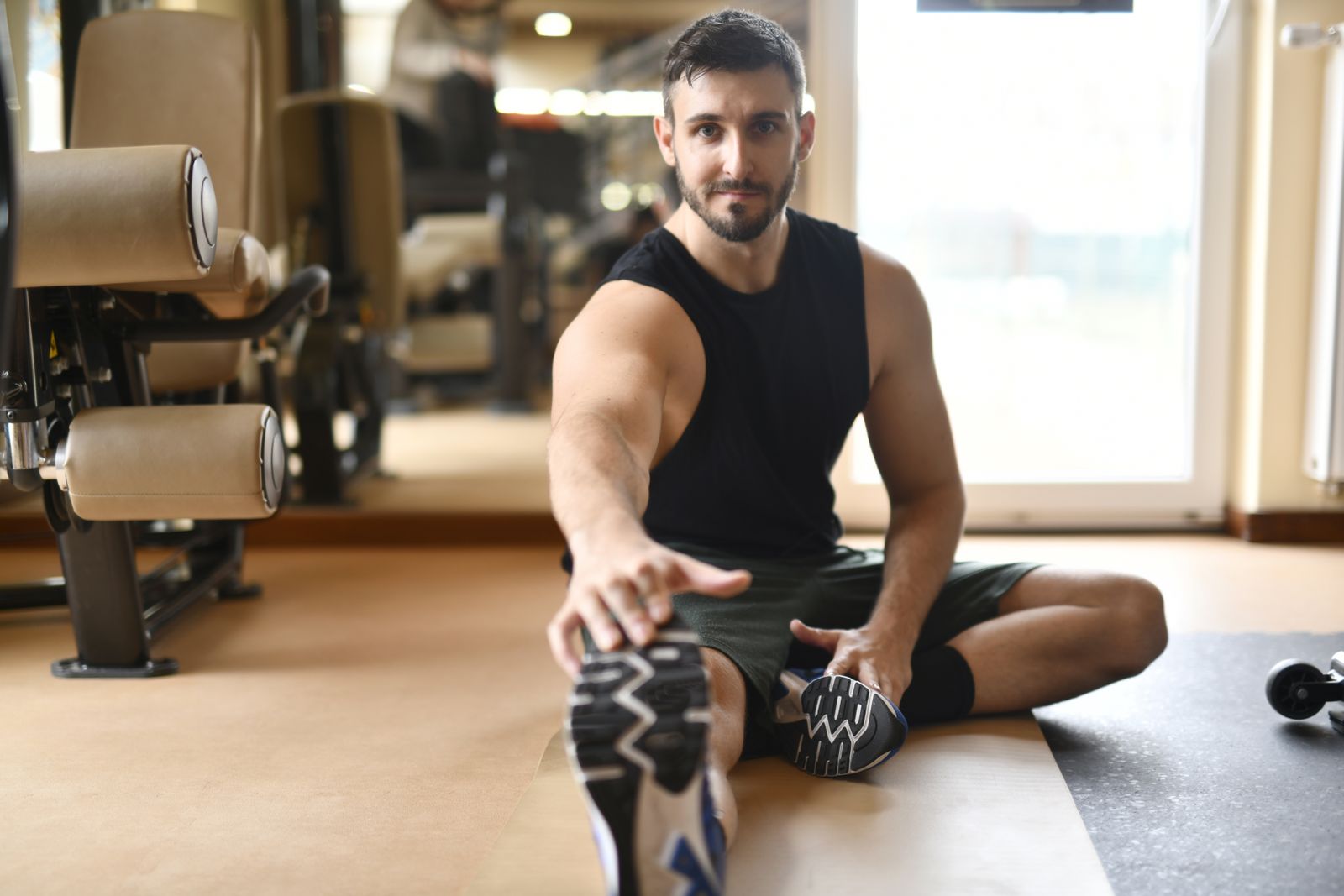
I used to treat rest days like something to feel a little guilty about, as if they didn’t “count” the way a hard training session did. It took a nagging shoulder issue that dragged on for months — one a physical therapist eventually traced back to plain overuse without enough recovery in between — to change how I thought about this. Recovery isn’t the reward you get for training hard. It’s the mechanism that makes the training actually work.
When you perform resistance training, you create microscopic damage to muscle fibers. This might sound alarming, but it’s actually the normal and necessary stimulus for adaptation. In the hours and days following a workout, your body repairs this damage through a process that also builds the muscle fibers back slightly larger and stronger than before, provided you allow adequate time, protein, and sleep for the repair process to complete.
If you train the same muscle group again before this repair process finishes, you interrupt the adaptation cycle. Rather than building on top of a repaired, stronger muscle, you add fatigue and damage to a muscle that hasn’t recovered, which over time can lead to diminished performance, increased injury risk, and a phenomenon known as overtraining syndrome.
Cardiovascular training has its own recovery requirements as well. Intense aerobic exercise depletes glycogen stores (the body’s stored form of carbohydrate energy) and creates its own form of systemic fatigue, particularly affecting the nervous system after very demanding sessions. Adequate recovery allows glycogen stores to replenish and the nervous system to return to baseline.
Signs You’re Not Getting Enough Recovery
Recognizing under-recovery early can prevent more serious setbacks. Common signs include:
- Persistent muscle soreness that doesn’t improve between sessions
- Declining strength or performance despite consistent training
- Unusual fatigue, even outside of workouts
- Trouble sleeping, or sleep that doesn’t feel restorative
- Increased resting heart rate compared to your normal baseline
- Irritability or mood changes
- Frequent minor illnesses, reflecting a temporarily suppressed immune response
- Loss of motivation or enthusiasm for training you normally enjoy
If several of these symptoms appear together over more than a week or two, it’s a strong signal to scale back training volume or intensity and prioritize sleep, nutrition, and rest days until symptoms resolve.
How Much Rest Do You Actually Need?
The answer depends on the type and intensity of training, your experience level, age, sleep quality, nutrition, and overall life stress — recovery capacity isn’t determined by exercise alone.
Between strength training sessions targeting the same muscle group, a commonly cited guideline is roughly 48 hours, which is why many beginner programs schedule full-body training on non-consecutive days (Monday, Wednesday, Friday, for example).
Between high-intensity cardio sessions, such as sprint intervals or very demanding endurance efforts, 24 to 48 hours of easier training or rest is often beneficial, though moderate-intensity cardio can generally be performed more frequently without the same recovery demands.
Full rest days, where no structured exercise occurs at all, are typically recommended at least once or twice per week for most people engaged in regular training, though very light activity like walking is usually fine even on these days.
Deload periods — a planned week of reduced training volume or intensity every four to eight weeks — are commonly used by more experienced lifters and athletes to allow for more complete recovery before continuing to progress, and can be valuable even for recreational exercisers who’ve been training hard for an extended stretch.
Answer a few questions about your current training to get a personalized starting point for weekly rest.
This is a general starting point, not a rigid prescription — listen to your body and adjust based on soreness, sleep quality, and overall stress.
Active Recovery vs. Complete Rest

Rest days don’t have to mean total inactivity, and for many people, some gentle movement on rest days can actually support recovery better than complete sedentary rest.
Active recovery refers to low-intensity movement performed on days you’re not doing your main training — think leisurely walking, gentle cycling, easy swimming, or restorative yoga. This type of movement can increase blood flow to sore muscles, potentially reducing the perception of soreness and supporting the removal of metabolic byproducts from intense exercise, without adding meaningful additional fatigue.
Complete rest — genuinely minimal physical activity — has its place too, particularly during periods of high life stress, illness, or when specific symptoms of overtraining are present. There’s no strict rule requiring movement every single day; sometimes the most productive thing you can do is simply rest.
A reasonable approach for most people is to include one or two days of active recovery and, depending on training volume, at least one day of more complete rest each week.
The Role of Sleep in Recovery
Sleep is arguably the single most important recovery tool available, and it’s one many people underprioritize compared to training and nutrition. During deep sleep stages, the body releases a significant portion of its daily growth hormone, which plays a key role in tissue repair and muscle growth. Sleep also supports the immune system, cognitive function, and emotional regulation, all of which affect training performance and consistency.
Most adults need seven to nine hours of sleep per night, though individual needs vary. Athletes and people training at high volumes may benefit from the higher end of that range, or more. Simple habits that support better sleep include maintaining a consistent sleep and wake schedule, limiting caffeine in the afternoon and evening, reducing screen exposure before bed, and keeping the bedroom cool and dark.
Nutrition’s Role in Recovery
Protein provides the building blocks for muscle repair, making adequate intake — spread across meals throughout the day rather than concentrated in a single meal — an important part of recovery for anyone doing regular resistance training.
Carbohydrates replenish glycogen stores depleted during exercise, particularly important for people doing frequent or high-volume cardio training.
Hydration supports nearly every recovery process in the body, from nutrient transport to joint lubrication, and even mild dehydration can impair exercise performance and recovery.
Overall calorie intake matters as well — training in a significant, prolonged calorie deficit can impair recovery and increase injury risk, which is one reason extreme dieting combined with intense training often backfires.
Building Rest Into Your Weekly Schedule
A well-designed training week should treat rest as a planned component rather than something that happens only when you run out of energy or motivation. A sample balanced week might look like:
- Monday: Strength training (full body or upper body)
- Tuesday: Moderate cardio or active recovery (walking, light cycling)
- Wednesday: Strength training
- Thursday: Rest or gentle active recovery
- Friday: Strength training
- Saturday: Longer cardio session or recreational activity
- Sunday: Complete rest
This structure ensures no muscle group is trained on consecutive days, includes a mix of active recovery and full rest, and builds in flexibility for how you feel physically and mentally throughout the week.
Deload Weeks: When and Why to Use Them
For people training consistently at a challenging intensity for several weeks or months, a deload week — typically involving 40 to 60 percent less training volume or intensity than usual, while still performing the movements — can help the body fully recover from accumulated fatigue before it becomes a bigger problem. Signs that a deload might be useful include a noticeable performance plateau or decline, persistent fatigue despite adequate sleep, or simply having trained hard and consistently for six to eight weeks without a break. Deloads are less critical for casual exercisers training at moderate intensity, but they can still be a useful tool during particularly demanding stretches of training or life.
Common Mistakes Around Rest and Recovery
Treating rest days as a sign of weakness or lack of discipline, rather than recognizing them as a productive, necessary part of the training process.
Training through pain rather than soreness. Muscular fatigue and typical post-workout soreness are normal; sharp, localized, or joint-related pain is a different signal that usually warrants rest and, if it persists, professional evaluation.
Skimping on sleep while maintaining an intense training schedule, which undermines much of the recovery benefit that training is meant to produce in the first place.
Ignoring the cumulative effect of life stress. Physical training is only one source of stress on the body; high work stress, poor sleep, and emotional strain all draw on the same recovery resources and should be factored into how much training your body can currently handle.
Comparing your recovery needs to someone else’s. Recovery capacity varies significantly based on age, training experience, genetics, and lifestyle factors, so a program that works for someone else may require more or less rest for you personally.
Recovery Tools and Techniques: What’s Worth Your Time
Walk into any sporting goods store or scroll through fitness content online and you’ll encounter a long list of recovery tools: foam rollers, massage guns, compression garments, ice baths, saunas, and more. It’s worth understanding which of these have reasonable evidence behind them and which are more about marketing than measurable benefit.
Foam rolling and self-myofascial release have modest but reasonably consistent evidence for temporarily reducing muscle soreness and improving range of motion. They’re inexpensive, low-risk, and worth incorporating if you find them helpful, though they aren’t a required part of a recovery routine.
Massage, whether professional or via a percussive massage device, shows similar modest benefits for perceived soreness and relaxation. Many people find it genuinely helps them feel and move better, even if the physiological mechanisms aren’t fully settled in research.
Cold water immersion (ice baths) has mixed research findings. Some studies suggest it can reduce perceived soreness in the short term, but there’s also evidence that frequent cold immersion may blunt some of the muscle-building adaptations from strength training if used immediately after every session. It may be more useful for recovery between competition events than as a routine part of a muscle-building program.
Sauna use has a growing body of research suggesting cardiovascular and possibly recovery-related benefits, along with general relaxation value, though it shouldn’t replace the fundamentals of sleep, nutrition, and adequate rest days.
Compression garments show modest evidence for reducing perceived soreness, with minimal downside for those who find them comfortable.
None of these tools substitute for the fundamentals covered earlier in this article — sleep, nutrition, hydration, and adequately spaced training. They can be reasonable additions for people who enjoy them and have the fundamentals already in place, but they shouldn’t be seen as a shortcut around basic recovery needs.
How Age Affects Recovery Needs
Recovery capacity tends to change with age, and understanding this can help set realistic expectations for your training schedule. Younger adults generally recover more quickly between sessions, which is part of why some intense training programs designed for younger athletes may not translate directly to a 50-year-old following the same schedule.
As people move into their 40s, 50s, and beyond, several factors — including natural hormonal changes, a higher likelihood of accumulated old injuries, and often busier life circumstances involving work and family responsibilities — can mean recovery takes somewhat longer between demanding sessions. This doesn’t mean older adults should train less intensely or avoid challenging workouts; strength training remains one of the most valuable tools for healthy aging. It does mean that adjusting training frequency, allowing extra recovery time between sessions targeting the same muscle groups, and paying closer attention to sleep and nutrition often becomes more important with age, rather than following a one-size-fits-all program designed without those factors in mind.
Frequently Asked Questions
How many rest days should I take per week? Most people benefit from at least one full rest day per week, with additional active recovery days depending on training intensity and volume. Beginners and those training at high intensity may benefit from two or more lower-intensity or fully rested days weekly.
Is it okay to do cardio on a strength training rest day? Yes, particularly light to moderate cardio, which generally doesn’t interfere with muscle recovery and can even support it through increased blood flow. Very intense cardio on a rest day, however, may not allow full recovery from your strength sessions.
How long does muscle soreness usually last? Delayed onset muscle soreness (DOMS) typically peaks 24 to 48 hours after a workout and resolves within three to five days. Soreness tends to become less intense as your body adapts to a given exercise or intensity level over the first several weeks of consistent training.
Can too much rest hurt my progress? Yes, in the sense that inconsistent training with excessive rest between sessions can fail to provide enough stimulus for adaptation. The goal is balance — enough training stimulus to drive progress, and enough recovery to allow that stimulus to translate into actual improvement.
What’s the difference between overtraining and normal training fatigue? Normal training fatigue resolves with a day or two of rest and doesn’t significantly impair your next few workouts. Overtraining syndrome involves a more persistent decline in performance and well-being that doesn’t resolve with short-term rest and may require a more extended reduction in training along with attention to sleep, nutrition, and stress.
Do rest days affect weight loss goals? Not negatively. Recovery supports the muscle-building and metabolic benefits that make long-term weight management more sustainable. Skipping rest in pursuit of faster results often backfires through injury, burnout, or performance decline, undermining the consistency that actually drives long-term progress.
Should I stretch on rest days? Gentle stretching or mobility work on rest days can support flexibility and may help some people feel less stiff, though it isn’t strictly required for recovery. It’s a reasonable, low-risk addition if you enjoy it and have the time.
Is it normal to feel guilty taking a rest day? It’s a common feeling, especially in a fitness culture that often equates rest with laziness, but it isn’t an accurate reflection of how the body actually adapts to training. Reframing rest days as an active, necessary part of your program — rather than time off from it — can help reduce this guilt over time.
Can I still see progress if I only train three days a week with four rest days? Yes. Research consistently shows that two to three well-structured strength sessions per week, covering all major muscle groups, can produce substantial strength and muscle gains, particularly for beginner and intermediate exercisers. More frequent training can accelerate progress for some goals, but three well-recovered sessions often outperform six poorly recovered ones.
How do I know if I need a deload week versus just a single rest day? A single rest day is usually sufficient for typical accumulated fatigue from a demanding week. A deload week becomes more relevant when you notice a sustained decline in performance, motivation, or recovery across several consecutive weeks despite otherwise good sleep and nutrition, suggesting fatigue has accumulated beyond what a single day off can resolve.
Is soreness a good indicator of whether a workout was effective? Not necessarily. Muscle soreness reflects unfamiliar or unusually intense movement more than it reflects the actual effectiveness of a workout for building strength or muscle. Many highly effective, well-progressed training sessions produce little to no soreness, particularly once your body has adapted to a consistent routine, so soreness shouldn’t be used as the primary measure of whether a workout “worked.”
Balancing Recovery With a Busy, Real-World Schedule
For most people, the challenge isn’t understanding that recovery matters — it’s actually protecting time for it amid work, family, and other commitments that don’t pause to accommodate a training schedule. A few practical approaches can help. Treating sleep as a non-negotiable appointment, similar to how you’d treat an important meeting, rather than the first thing sacrificed when the day runs long, protects the single most impactful recovery tool available. Building rest days into your calendar in advance, rather than deciding day-of based on how motivated you feel, removes the temptation to skip planned recovery in favor of squeezing in an extra workout. And giving yourself permission to scale back training intensity during genuinely demanding life stretches — a busy work project, a family health issue, a period of poor sleep — rather than trying to maintain peak training output regardless of life circumstances, reflects the same underlying principle that runs through this entire topic: sustainable, long-term progress depends on matching your training demands to your actual capacity to recover, not on maximizing effort at every possible opportunity regardless of the cost.
Final Thoughts
Rest and recovery are not the opposite of progress — they are the mechanism through which progress actually happens. Muscles grow, cardiovascular fitness improves, and performance gains solidify during the recovery period following exercise, not during the workout itself. Building deliberate rest days, active recovery, adequate sleep, and sound nutrition into your routine isn’t a compromise on your fitness goals; it’s a requirement for reaching them sustainably, without the setbacks that come from ignoring what your body needs to repair and adapt.
Sources
NIH (PMC) — The Importance of Recovery in Resistance Training
NIH (PMC) — The Sleep and Recovery Practices of Athletes
This article is for general educational purposes and is not a substitute for personalized medical or fitness advice. Consult a physician before beginning a new exercise program, particularly if you have an existing health condition.
About the Author
This article was written and reviewed by the Drxty Editorial Team, using publicly available guidance from sources such as the CDC, NIH, and HHS (linked above). Our team focuses on translating public health information into clear, practical guidance for everyday readers. If you spot an error or have a correction, please contact us.