
The Beginner’s Guide to Strength Training: How to Build Muscle Safely and Effectively
Walk into any gym in the United States today and you’ll see something that would have looked unusual twenty years ago: just as many people racking weights as running on treadmills. Strength training has moved from a niche pursuit for bodybuilders and athletes into one of the most widely recommended forms of exercise for everyday health. The Physical Activity Guidelines for Americans, issued by the U.S. Department of Health and Human Services, now recommend that adults perform muscle-strengthening activities involving all major muscle groups at least two days per week, in addition to regular aerobic activity. Yet for all its popularity, strength training remains one of the most intimidating types of exercise to start. The vocabulary alone can be a barrier — reps, sets, progressive overload, compound lifts, hypertrophy — and the fear of getting hurt or “doing it wrong” keeps many people on the cardio machines instead of near the dumbbell rack. This guide is designed to strip away that intimidation. It walks through what strength training actually is, why it matters for your health regardless of age or gender, how to build a program from scratch, and how to progress safely over time.What Strength Training Actually Is
Strength training, also called resistance training or weightlifting, is any exercise that causes your muscles to contract against an external resistance. That resistance can come from free weights like dumbbells and barbells, resistance bands, weight machines, or simply your own body weight in exercises like push-ups and squats. The basic principle behind strength training is remarkably simple: when a muscle is asked to work harder than it’s used to, it adapts by getting stronger and, under the right conditions, larger. This adaptation process is called progressive overload, and it’s the single most important concept in any resistance training program. Without gradually increasing the demand you place on your muscles — whether through more weight, more repetitions, or more challenging movement patterns — your body has no reason to keep adapting. This is different from cardiovascular exercise, which primarily challenges your heart and lungs to deliver oxygen more efficiently to working muscles over a sustained period. Strength training instead focuses on the muscular and skeletal systems, building the tissue and neural pathways that produce force.Why Strength Training Matters for Your Health
It’s easy to assume strength training is mostly about aesthetics — bigger arms, a toned physique, visible abs. Those outcomes are real for people who train consistently, but the health case for lifting weights goes much deeper than appearance.Muscle Mass and Metabolic Health
Starting around age 30, adults who don’t actively work to maintain muscle mass begin to lose it gradually, a process called sarcopenia that accelerates with age. Beyond changing how your body looks, declining muscle mass is linked to slower metabolism, reduced insulin sensitivity, and a higher risk of frailty later in life. Regular resistance training is one of the most effective tools for preserving and building muscle tissue throughout adulthood, which in turn supports healthier blood sugar regulation and a more resilient metabolism.Bone Density
Bones respond to mechanical stress in much the same way muscles do. Weight-bearing and resistance exercises stimulate bone-forming cells, helping to maintain bone mineral density. This is particularly important for women, who face a heightened risk of osteoporosis after menopause, but it matters for men as well. Building strength earlier in life creates a buffer of bone density that pays off decades later.Joint Health and Injury Prevention
A common misconception is that lifting weights is hard on the joints. In reality, well-programmed strength training strengthens the muscles, tendons, and ligaments that support your joints, which can reduce the risk of injury both in daily life and during other physical activities. Stronger glutes and hamstrings, for example, take pressure off the knees; a stronger core protects the lower back.Mental Health and Cognitive Benefits
Resistance training has been associated with improvements in mood, reductions in symptoms of anxiety and depression, and better sleep quality. There’s also emerging evidence linking regular strength training to better cognitive function as people age, likely through improved blood flow and the release of growth factors that support brain health.Functional Independence
Perhaps the most underrated benefit of strength training is what exercise physiologists call “functional capacity” — the ability to carry groceries, climb stairs, get up off the floor, and move through daily life without strain. Maintaining strength as you age is one of the strongest predictors of independence and quality of life in later decades.Common Myths That Keep Beginners Away
Before building a program, it helps to clear up a few persistent myths that stop people from ever picking up a weight. “Lifting weights will make me bulky.” Building significant muscle mass requires a sustained caloric surplus, a specific training approach, and — for most people — years of consistent effort. For the average person, especially women, strength training builds a leaner, more toned appearance rather than dramatic size. “I need to be fit before I start.” Strength training is precisely how you become fit. Every program can be scaled to a true beginner’s current ability, starting with body weight or light resistance and progressing from there. “Cardio is better for weight loss, so I’ll skip lifting.” Muscle tissue burns more calories at rest than fat tissue, and resistance training also produces an “afterburn effect” (excess post-exercise oxygen consumption) that continues to burn calories after your workout ends. Combining both cardio and strength training is generally more effective for body composition than either alone. “I’m too old to start.” Research consistently shows that adults in their 60s, 70s, and beyond can build meaningful strength and muscle mass with resistance training. Age is a reason to start sooner, not a reason to avoid it.The Core Principles Every Beginner Should Know
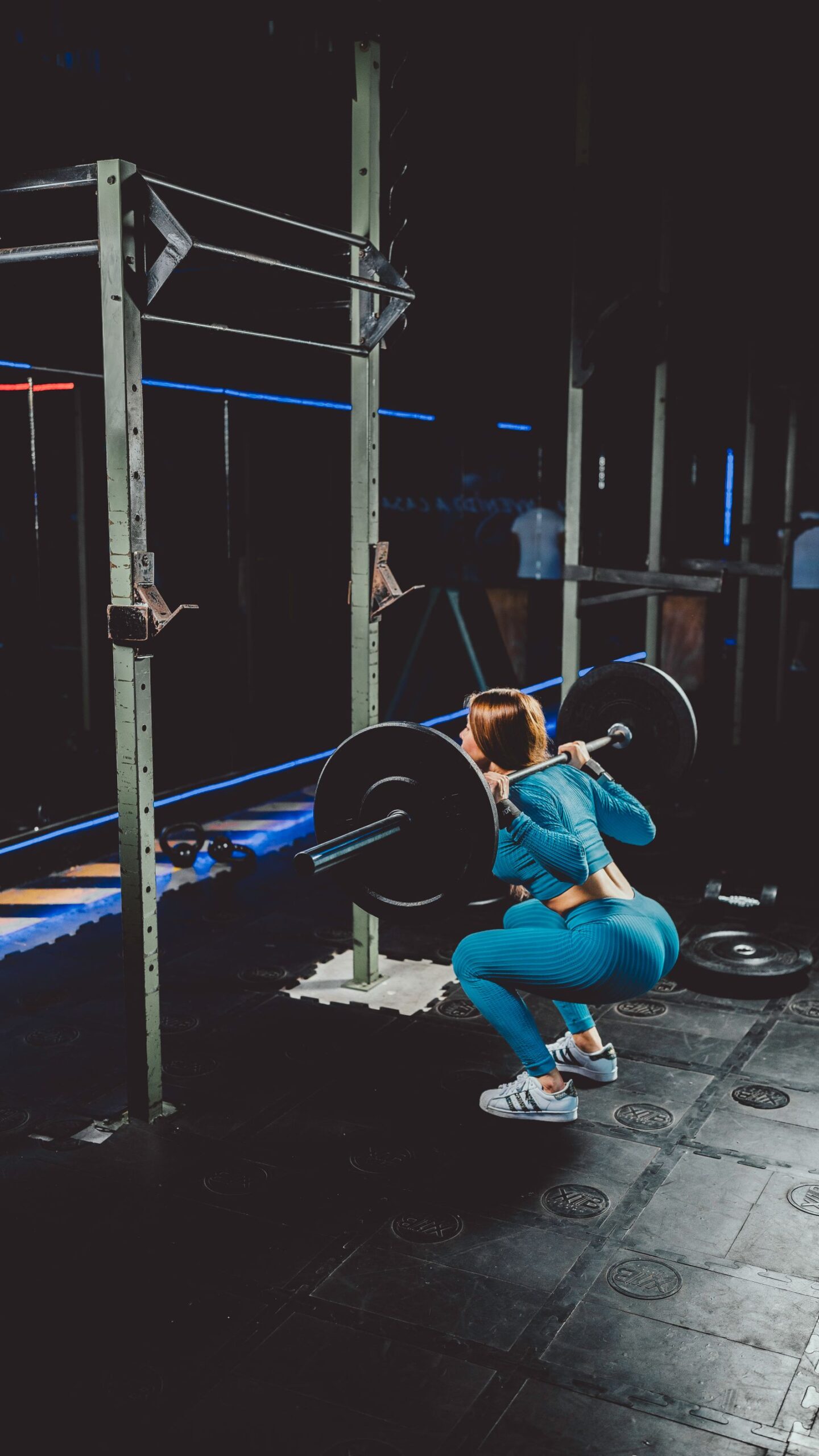
1. Progressive Overload
As mentioned earlier, your muscles adapt to the demands placed on them. To keep progressing, you need to gradually increase the challenge over time — more weight, more reps, more sets, or better technique that allows for a fuller range of motion.2. Compound Movements First
Compound exercises work multiple muscle groups and joints simultaneously. Squats, deadlifts, presses, rows, and lunges recruit far more muscle tissue than isolation exercises like bicep curls, making them the most efficient use of your training time, especially as a beginner.3. Proper Form Before Heavy Weight
Learning correct movement patterns is the foundation of both safety and long-term progress. Lifting a weight you can’t control with good technique increases injury risk and often means the target muscles aren’t being worked effectively anyway. It’s almost always better to master a movement with lighter weight before adding load.4. Recovery Is Where Growth Happens
Muscles don’t get stronger during the workout itself — they get stronger during the recovery period afterward, when the body repairs the microscopic muscle damage caused by training. This means sleep, nutrition, and rest days are not optional extras; they are part of the training process itself.5. Consistency Beats Intensity
A moderate program followed consistently for months will outperform an extreme program that leads to burnout or injury after two weeks. Sustainable habits are the foundation of long-term results.Building Your First Strength Training Program
Step 1: Choose Your Training Frequency
For most beginners, training each major muscle group two to three times per week produces excellent results. A simple, sustainable starting point is a full-body routine performed three non-consecutive days per week — for example, Monday, Wednesday, and Friday.Step 2: Select Your Exercises
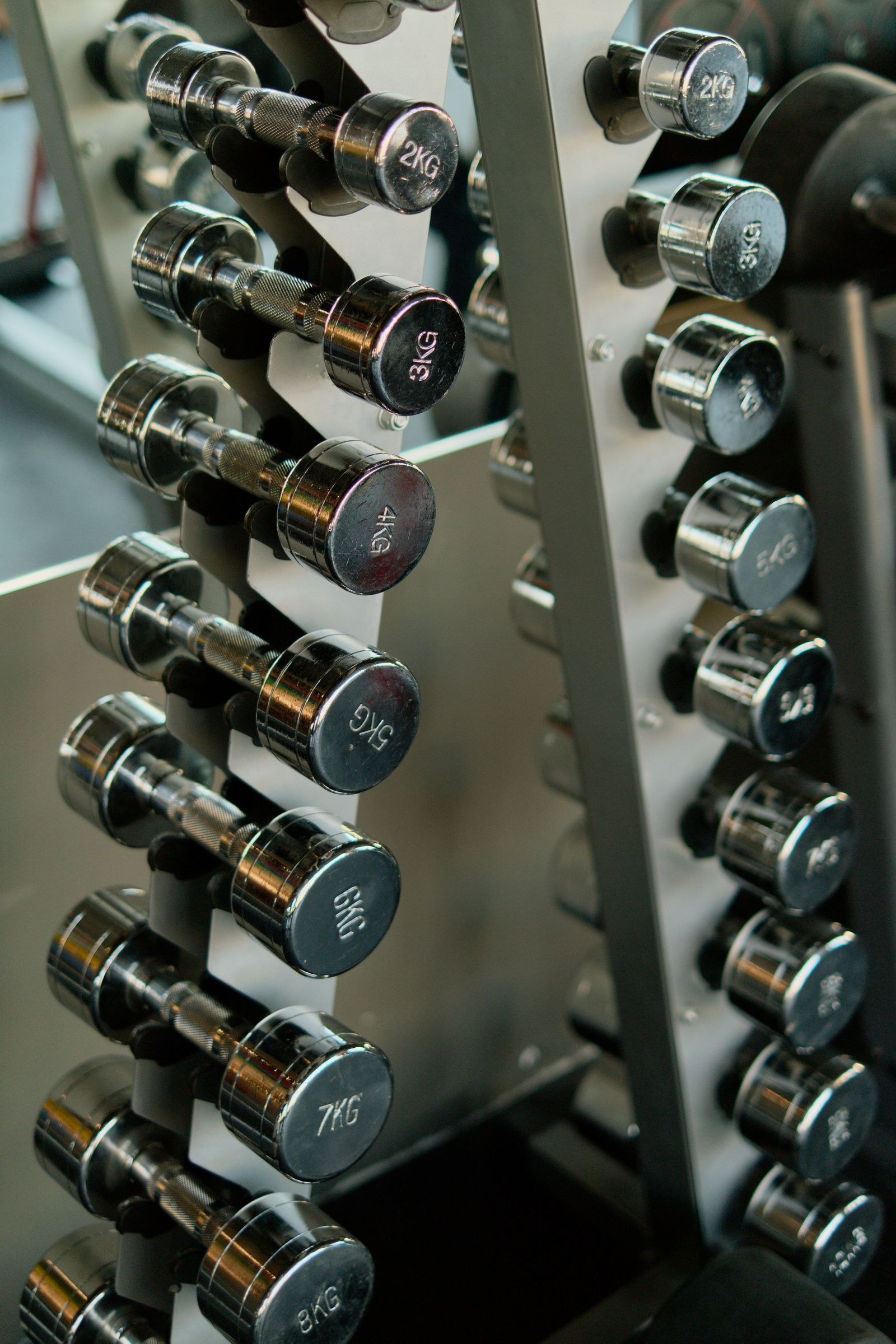
A well-rounded beginner routine should include a movement from each of these categories: Lower body push: Squats (bodyweight, goblet, or barbell) Lower body hinge: Romanian deadlifts or hip hinges Upper body push: Push-ups or bench press Upper body pull: Rows or lat pulldowns Core/stability: Planks, dead bugs, or bird dogs A sample full-body session might look like:- Goblet squat — 3 sets of 8–12 reps
- Dumbbell Romanian deadlift — 3 sets of 8–12 reps
- Push-ups (or incline push-ups) — 3 sets of 8–12 reps
- Dumbbell or resistance band row — 3 sets of 8–12 reps
- Plank — 3 sets, holding 20–40 seconds
Step 3: Understand Sets, Reps, and Rest
A “rep” (repetition) is one complete movement of an exercise, from start to finish. A “set” is a group of consecutive reps performed without stopping. For beginners focused on building a foundation of strength and muscle, a common range is 3 sets of 8 to 12 reps per exercise, resting 60 to 90 seconds between sets.Step 4: Warm Up Properly
Spend five to ten minutes before each session on light cardio (brisk walking, cycling, or jumping jacks) followed by dynamic stretches or lighter warm-up sets of your first exercise. This increases blood flow to the muscles and prepares your joints for loaded movement.Step 5: Track Your Workouts
Keeping a simple log — even just notes on your phone — of the exercises, weights, and reps you perform lets you see when it’s time to increase the challenge. If you can comfortably complete 12 reps with good form across all sets, it’s usually time to add a small amount of weight.How to Progress Over Time
Progression doesn’t have to mean constantly adding heavier weights. Beginners can progress in multiple ways:- Add weight once the top of your rep range becomes easy with good form.
- Add reps within your target range before adding weight.
- Add sets to increase total training volume.
- Improve range of motion, such as squatting deeper or achieving a fuller push-up.
- Slow down the tempo of a movement to increase time under tension.
- Reduce rest time slightly to increase workout density (with caution, and mainly for more experienced lifters).
Safety Considerations
Strength training is safe for the vast majority of healthy adults, but a few precautions go a long way:- Learn form from reliable sources. Video demonstrations from certified trainers, or a session or two with a qualified personal trainer, can help you build correct movement patterns from day one.
- Start lighter than you think you need to. It’s far easier to progress from an appropriately light starting weight than to recover from an early injury caused by lifting too heavy too soon.
- Don’t skip the warm-up. Cold muscles and joints are more susceptible to strain.
- Listen to the difference between muscle fatigue and joint pain. Muscular burning and post-workout soreness are normal; sharp or persistent joint pain is not, and it’s worth stopping and reassessing form or resting the area.
- Check with your healthcare provider first if you have an existing injury, a chronic health condition, are pregnant, or haven’t exercised in a long time. This is general educational information, not personalized medical advice.
Nutrition and Recovery Basics for Beginners
Training stimulates muscle adaptation, but nutrition and recovery are what actually allow your body to rebuild stronger. A few fundamentals matter most for beginners: Protein intake: Protein provides the building blocks for muscle repair. Many nutrition experts suggest beginners aim for roughly 0.7 to 1 gram of protein per pound of body weight daily, spread across meals, though individual needs vary and a registered dietitian can help tailor this to your situation. Sleep: Most of the hormonal processes involved in muscle repair and growth occur during deep sleep. Adults generally benefit from seven to nine hours per night. Rest days: Beginners often assume more training is always better, but muscles need roughly 48 hours to recover from a resistance training session targeting the same muscle group. This is why full-body routines performed on non-consecutive days work well for newcomers. Hydration: Adequate water intake supports nutrient transport, joint lubrication, and overall exercise performance.Sample Four-Week Starter Plan
Weeks 1–2 (Learning Phase): Perform the sample full-body routine above three times per week using lighter weights, focusing entirely on learning correct form. Aim for 2 sets of 10–12 reps per exercise. Weeks 3–4 (Building Phase): Increase to 3 sets per exercise. Begin applying double progression — once you hit 12 reps across all sets with good form, add a small amount of weight the following session. By the end of four weeks, most beginners notice improved coordination, slightly increased strength, and greater confidence with the movements — even before dramatic visible changes appear. Physical changes in muscle size and body composition typically become more noticeable after eight to twelve weeks of consistent training.Common Beginner Mistakes to Avoid
Skipping the warm-up to save time, which increases injury risk. Program hopping — switching routines every week or two before giving any single program enough time to produce results. Most beginner programs need at least four to six weeks of consistent effort to show meaningful progress. Neglecting the lower body and back in favor of “mirror muscles” like the chest and arms, which can create muscular imbalances over time. Comparing your progress to others, particularly on social media, where filtered or unrepresentative content can create unrealistic expectations. Ignoring recovery by training the same muscle groups every day without rest, which can lead to overtraining, plateaus, or injury. A common version of this mistake looks harmless in the moment: someone adds five pounds to the bar every single session because last week it worked, until the sixth or seventh week when a set that should feel challenging instead feels like it might end badly. Strength genuinely builds in a straight line for beginners for a while, which is exactly what makes it easy to assume the line continues forever.When to Consider Working With a Professional
While this guide provides a solid foundation, working with a certified personal trainer for even a handful of sessions can accelerate your progress and reduce injury risk, particularly if you’re recovering from an injury, managing a chronic health condition, or simply want personalized feedback on your form. Many gyms offer a free or discounted introductory session that can be a valuable investment before training independently.Equipment Options: What You Actually Need
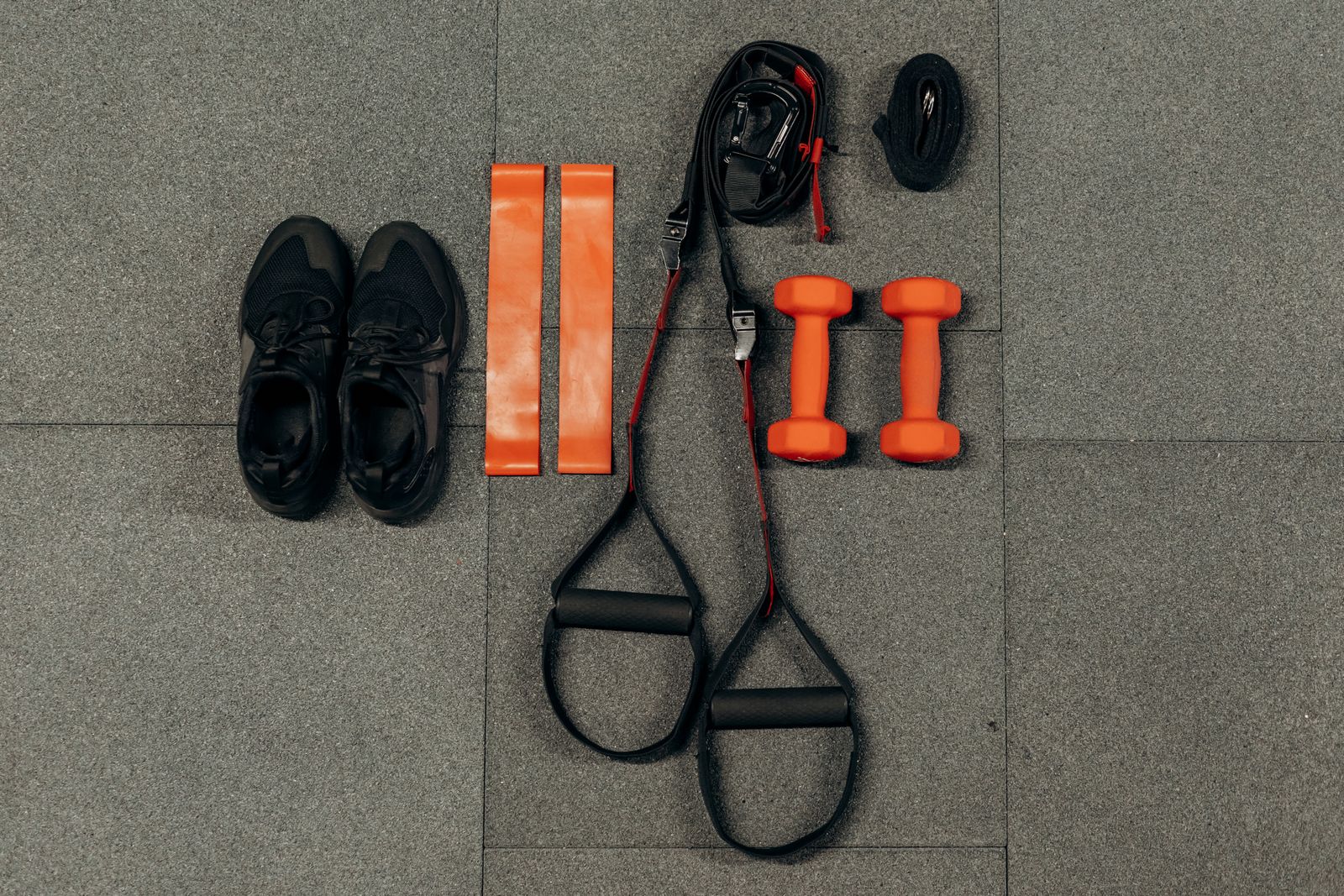
Frequently Asked Questions
How soon will I see results from strength training? Neurological adaptations — meaning your brain and muscles get better at coordinating movement — begin within the first two to four weeks, which is why beginners often feel noticeably stronger before any visible muscle change appears. Visible changes in muscle tone and body composition typically take eight to twelve weeks of consistent training, and more significant changes in muscle size develop over several months to years. Is it normal to be sore after every workout? Some muscle soreness, known as delayed onset muscle soreness (DOMS), is common when you’re new to training or trying a new exercise, typically peaking 24 to 48 hours after a session. As your body adapts over the first few weeks, soreness usually becomes less intense, even as you continue to progress. Persistent or sharp pain, however, is not a normal part of training and warrants a closer look at your form or a conversation with a healthcare provider. Can I do strength training and cardio on the same day? Yes. Many people successfully combine both in the same session or on the same day. If building strength is your primary goal, doing resistance training before cardio is generally recommended, since it allows you to perform your lifts with fresher muscles. Do I need protein shakes or supplements to build muscle? No. Supplements can be a convenient way to help meet your protein needs, but they are not required. Whole food sources of protein — like chicken, fish, eggs, dairy, beans, and tofu — can fully support muscle growth when total daily intake is adequate. What if I don’t have an hour to work out? You don’t need an hour. A focused 30 to 45 minute session covering four or five compound exercises delivers the vast majority of the benefit. Consistency over years matters far more than the length of any single session. Is strength training safe during pregnancy or with a chronic health condition? Many people can safely continue or begin strength training under these circumstances, often with modifications, but this is a decision to make together with your physician or obstetrician, who can account for your specific situation.Final Thoughts
Strength training is one of the most valuable habits you can build for long-term health, and it’s more accessible than the intimidating gym-culture image suggests. You don’t need a barbell, a spotter, or years of experience to begin — you need a handful of foundational movements, a plan to gradually increase the challenge, and the patience to let consistency do its work over weeks and months rather than days. Start where you are, focus on technique before load, give your body time to recover, and track your progress so you can see how far you’ve come. The version of you six months from now will be glad you started today. Sources CDC — Adult Activity: An Overview CDC — What Counts as Physical Activity for Adults This article is for general educational purposes and is not a substitute for personalized medical or fitness advice. Consult a physician before beginning a new exercise program, particularly if you have an existing health condition.Strength training also becomes increasingly important with age; our guide to healthy aging habits covers why, and how to keep building strength safely in your 40s, 50s, and beyond.
About the Author
This article was written and reviewed by the Drxty Editorial Team, using publicly available guidance from sources such as the CDC, NIH, and HHS (linked above). Our team focuses on translating public health information into clear, practical guidance for everyday readers. If you spot an error or have a correction, please contact us.