
Two people can have the exact same BMI and very different health risk profiles, largely because of where their body stores fat. Waist-to-hip ratio is one of the simpler tools researchers use to capture that difference, since fat carried around the abdomen behaves differently, metabolically, than fat carried on the hips and thighs.
Calculate Your Waist-to-Hip Ratio
Waist-to-Hip Ratio Calculator
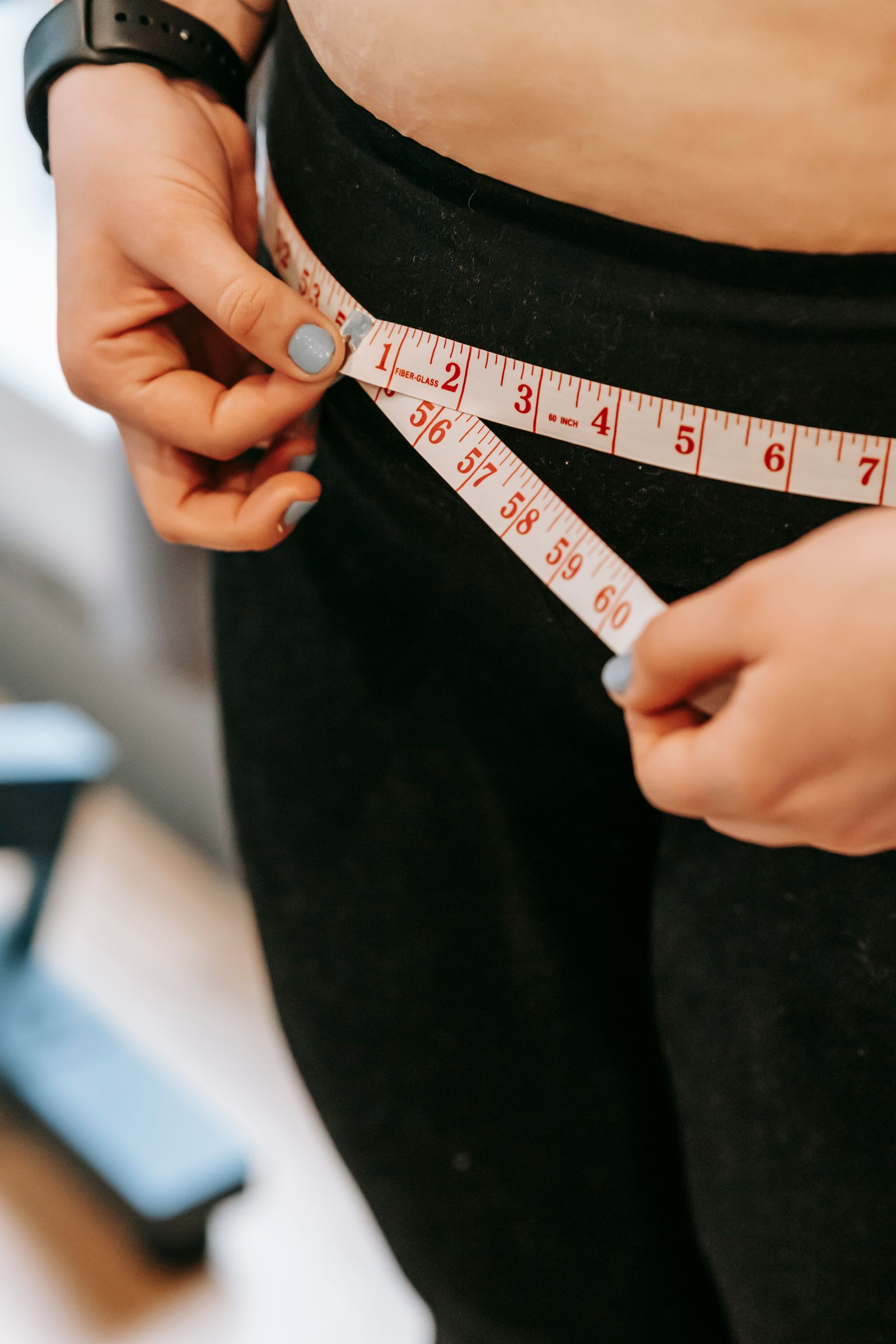
Measure your waist at the narrowest point (usually just above the belly button) and your hips at the widest point, per WHO measurement guidance.
Why Fat Location Matters
Visceral fat — stored around the abdominal organs — is metabolically active in ways that subcutaneous fat (stored under the skin on hips, thighs, and elsewhere) generally isn’t. Research has linked higher visceral fat with increased inflammation, insulin resistance, and cardiovascular risk, largely independent of total body weight. This is part of why two people with the same BMI can have meaningfully different risk profiles depending on their fat distribution pattern, often described informally as “apple” (more abdominal) versus “pear” (more hip/thigh) body shapes.

WHO Reference Thresholds
- Men: a waist-to-hip ratio above 0.90 is associated with substantially increased health risk in WHO guidance
- Women: a ratio above 0.85 is associated with substantially increased health risk
These thresholds come from World Health Organization guidance synthesizing research on abdominal obesity and metabolic risk, and they’re used alongside, not instead of, other measures like BMI and waist circumference alone.
Frequently Asked Questions
Is waist-to-hip ratio better than BMI? They measure different things — BMI reflects overall size relative to height, while waist-to-hip ratio reflects fat distribution. Some research suggests waist-to-hip ratio may be a somewhat better predictor of cardiovascular risk than BMI alone, but using both together gives a fuller picture than either alone.
Can I lower my waist-to-hip ratio through exercise? Overall fat loss through diet and exercise tends to reduce abdominal fat as part of general weight loss, though spot-reduction of fat from one specific area through targeted exercise isn’t well supported by research.
What This Ratio Captures That Weight Alone Misses
Waist-to-hip ratio compares the circumference of your waist to the circumference of your hips, and its usefulness comes from what it indirectly reveals: body fat distribution pattern. People generally store excess fat in one of two broad patterns, often described as “apple-shaped” (fat concentrated around the abdomen) or “pear-shaped” (fat concentrated around the hips and thighs), and research has consistently found the apple pattern carries substantially higher metabolic risk than the pear pattern, even at the same total body weight or BMI. This is because abdominal fat is more likely to include visceral fat surrounding internal organs, which behaves differently, more metabolically active and more strongly linked to insulin resistance and cardiovascular risk, than the fat stored under the skin around the hips and thighs.
Some large studies, including research spanning multiple countries, have found waist-to-hip ratio predicts cardiovascular risk and mortality at least as well as BMI, and in several analyses, more accurately, particularly in people who fall in the “normal” BMI range but carry disproportionate abdominal fat, a pattern sometimes called “normal weight obesity” that BMI alone completely misses.
Measuring It Accurately
Waist circumference should be measured at the narrowest point of your torso, typically just above the belly button, and hip circumference at the widest point around your buttocks, both with the tape snug but not compressed into the skin, ideally without heavy clothing. General reference points used in research classify a ratio above roughly 0.90 for men and 0.85 for women as indicating increased health risk, though these cutoffs vary somewhat by population and organization, and the trend over time matters more for tracking your own progress than hitting an exact universal number.
Measurement consistency, same time of day, same tape tension, same body position, matters more for tracking meaningful change over time than achieving perfect precision on any single measurement.
What to Do With Your Result
Body fat distribution is influenced by genetics, sex hormones, age, and lifestyle factors, and it isn’t something you can selectively target through exercise, spot-reduction (doing ab exercises to lose belly fat specifically) isn’t supported by research on how the body mobilizes fat stores. A higher waist-to-hip ratio is better addressed through overall approaches that reduce total body fat, regular exercise combining cardio and strength training, adequate sleep, and a sustainable eating pattern, rather than targeted exercises. If your ratio falls in a higher-risk range, especially alongside other risk factors like family history of heart disease or diabetes, it’s a reasonable prompt to discuss your overall cardiometabolic risk with a doctor.
Genetics play a substantial role in where individuals naturally store fat, which is worth keeping in mind so the ratio is used as one input among several for assessing health, rather than a number to feel discouraged about if it doesn’t match a specific aesthetic ideal unrelated to actual health risk.
Sources
- World Health Organization — Waist Circumference and Waist-Hip Ratio Report
- National Library of Medicine — Body Fat Distribution and Cardiovascular Risk
- NHLBI (National Heart, Lung, and Blood Institute)
- World Health Organization (WHO)
Final Thoughts
Waist-to-hip ratio adds a dimension that weight and BMI alone miss: where your body stores fat, not just how much. Paired with other measures, it gives a more complete picture of metabolic health risk.
This article is for general educational purposes and is not a substitute for personalized medical advice.
About the Author
This article was written and reviewed by Maya Chen, focused on translating public health information into clear, practical guidance for everyday readers. If you spot an error or have a correction, please contact us.