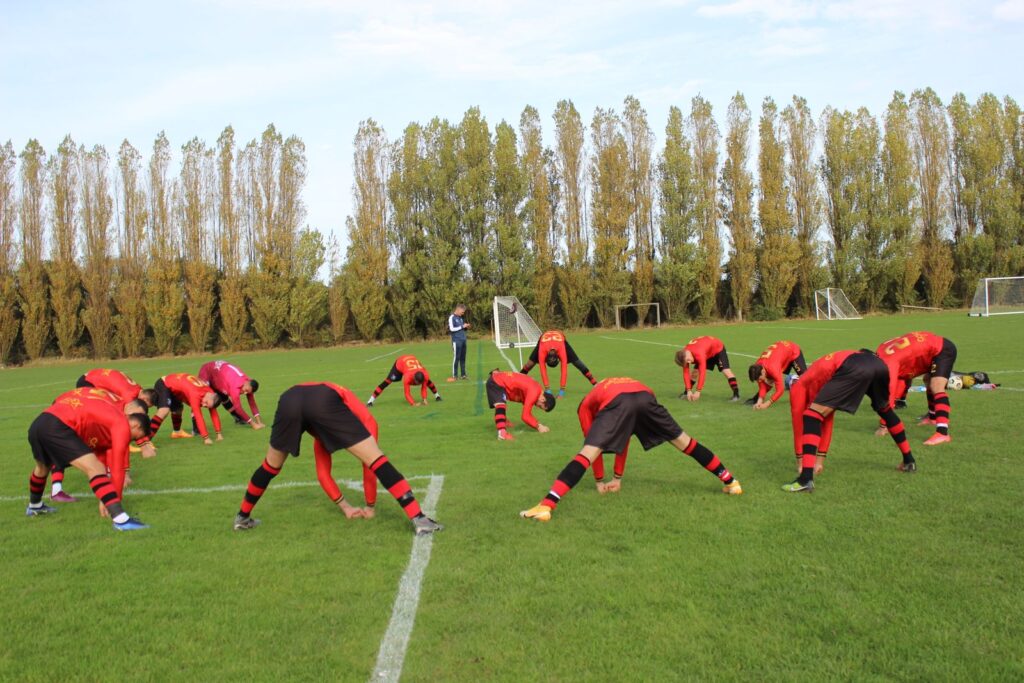
Skipping the warm-up to save five minutes is one of the most common shortcuts in casual exercise, and it’s also one of the more consistently studied bad habits in sports science. The research isn’t subtle here: a proper warm-up changes how your body performs and how likely you are to get hurt, and it’s specifically the dynamic kind that delivers most of the benefit.
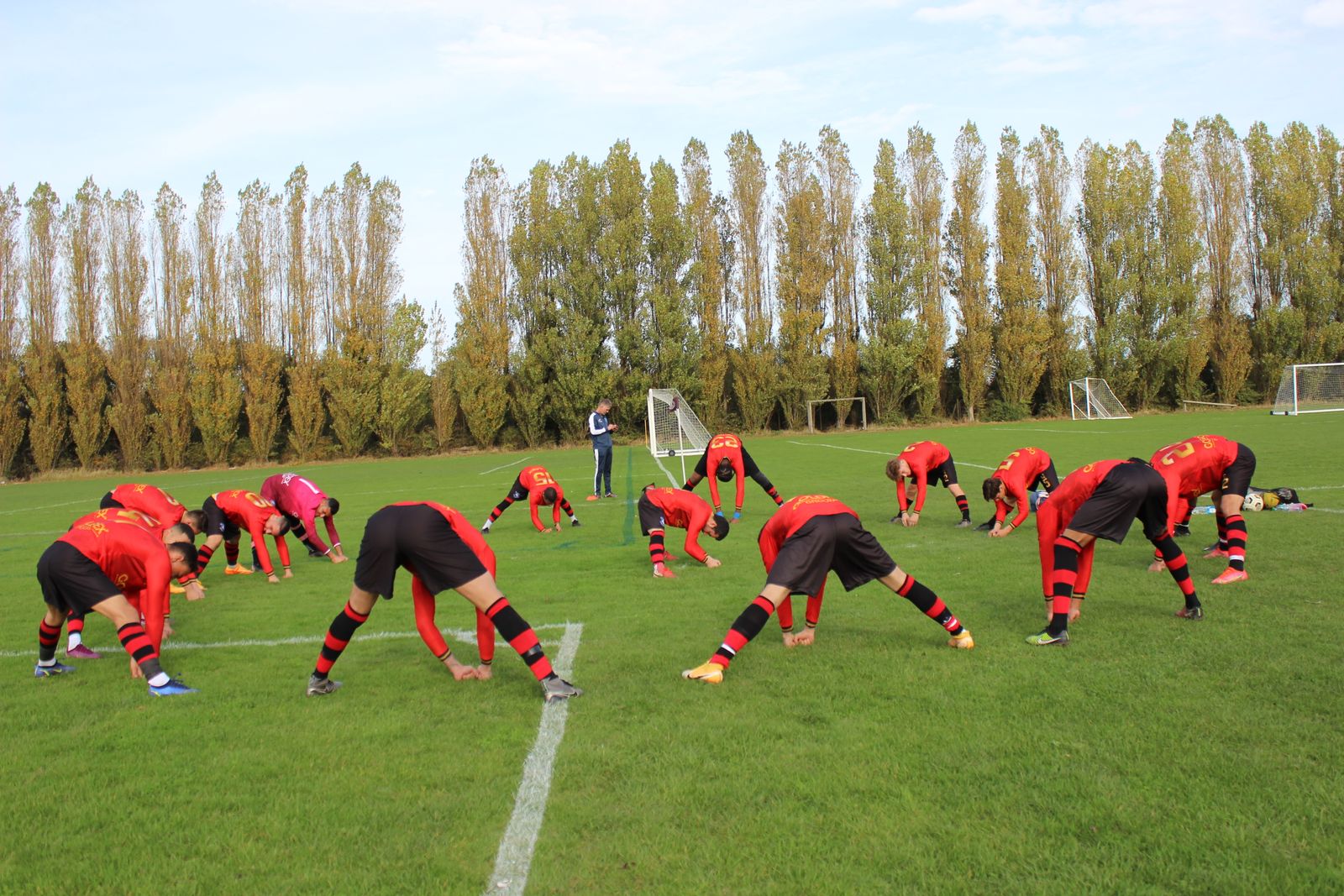
What a Warm-Up Actually Does Physiologically
- Raises muscle temperature, which improves the speed and force of muscle contractions
- Increases blood flow to working muscles, delivering more oxygen before the main effort begins
- Activates the nervous system’s coordination between brain and muscle, sometimes called neuromuscular activation
- Gradually raises heart rate, easing the transition into higher-intensity effort rather than shocking the cardiovascular system
- Mentally prepares you for the session ahead, which has its own modest performance effect
These changes go beyond a vague sense of “getting the blood flowing.” Raising muscle temperature increases nerve signaling speed and the elasticity of muscle and connective tissue, which allows for faster, more powerful, and safer movement than cold tissue can produce. Warming up also improves the efficiency of energy production at the cellular level and activates the specific nervous system pathways you’ll use during the workout — a process sometimes called “potentiation” — priming the exact movement patterns and muscle recruitment you’re about to perform. Research comparing warmed-up versus cold performance consistently shows measurable improvements in power output, speed, and range of motion, which is why skipping the warm-up doesn’t just feel riskier, it demonstrably reduces performance capacity in the workout that follows.
The Evidence on Performance and Injury
Research reviews have found that dynamic warm-ups consistently improve strength, speed, and agility, with documented acute improvements in sprint and jump performance immediately following a proper warm-up. This is part of why dynamic warm-ups have overtaken static stretching as the default pre-exercise recommendation across recreational and elite sport alike — they prepare the musculoskeletal, neurological, and cardiovascular systems simultaneously, rather than just lengthening a muscle in isolation.
On injury specifically, current position statements and reviews recommend dynamic warm-up routines as part of training and competition preparation to help minimize injury risk, particularly in higher-intensity or contact sports. The effect isn’t absolute protection, but it’s one of the more consistently supported low-cost interventions available.
A Simple, Evidence-Aligned Warm-Up Structure
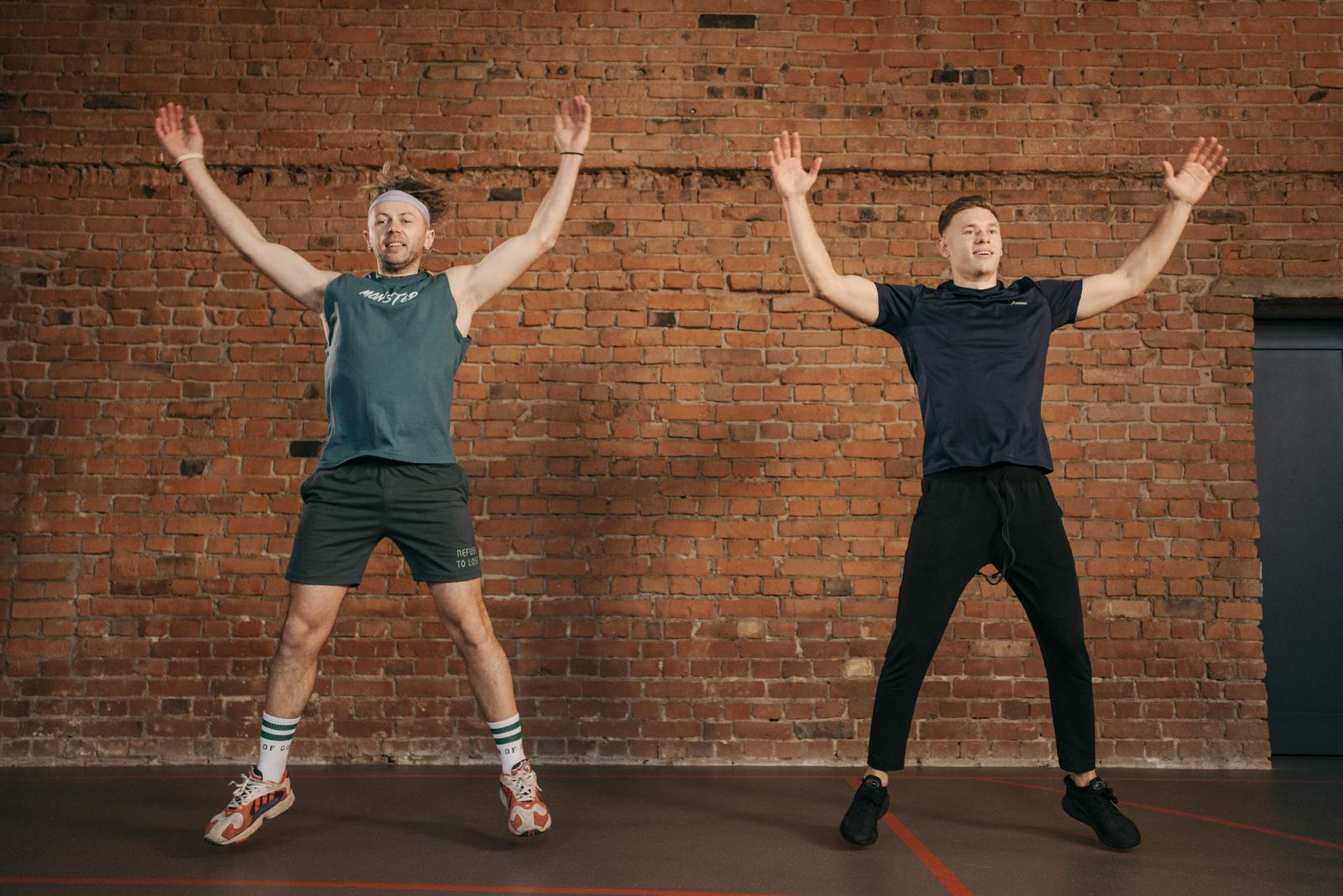
- 2-3 minutes of light general cardio — brisk walking, easy cycling, or jumping jacks to raise core temperature
- 5-8 minutes of dynamic movements targeting the muscles you’re about to use — leg swings, walking lunges, arm circles, hip openers
- 2-3 warm-up sets of your actual exercise at progressively increasing loads or intensity before your working sets, sometimes called a “ramp-up” set
This entire sequence typically takes 10-15 minutes and can be trimmed for lower-intensity activities like a casual walk, but is worth doing in full before anything involving sprinting, jumping, or heavy lifting.
Cold weather and early-morning workouts generally warrant a slightly longer warm-up than a session later in the day in a warm environment, since starting muscle and joint temperature is naturally lower under those conditions and takes proportionally more time to reach an optimal working range.
Frequently Asked Questions
Is a longer warm-up always better? Not necessarily — beyond a certain point, additional warm-up time mostly adds fatigue without further benefit. 10-15 minutes covers most training needs.
Can I skip the warm-up for a light activity like a casual walk? A full structured warm-up is more relevant for higher-intensity or explosive activity; a short easy-paced start to a casual walk serves a similar, lower-stakes purpose.
Should static stretching be part of the warm-up at all? Brief static holds under about 45-60 seconds don’t appear to meaningfully hurt performance and can be included, but they shouldn’t replace the dynamic component, which does more of the performance and readiness work.
Why Static Stretching Isn’t the Right Warm-Up Tool
For years, static stretching, holding a stretch in place for an extended period, was the default warm-up routine, but research over the past two decades has shifted this understanding considerably. Multiple studies have found that static stretching immediately before explosive or strength-based activity can temporarily reduce muscular power output and strength, an effect sometimes significant enough to measurably hurt performance in the activity that follows. Dynamic stretching, moving through a range of motion actively rather than holding a static position, leg swings, walking lunges, arm circles, has become the recommended pre-exercise approach instead, since it raises tissue temperature and activates the nervous system without the temporary strength-dampening effect associated with static holds.
This doesn’t mean static stretching is bad, it has real value, just better placed after exercise or in dedicated flexibility sessions, when temporarily reduced power output isn’t a concern, rather than immediately before performance-focused activity.
Sources
- “Dynamic Warm-ups Play Pivotal Role in Athletic Performance and Injury Prevention,” ScienceDirect
- American College of Sports Medicine
Final Thoughts
A warm-up isn’t a formality before the “real” workout starts, it’s an active part of the session that measurably changes performance and injury risk. Ten to fifteen minutes of light cardio followed by dynamic, sport-specific movement is a well-supported default that fits before nearly any type of training.
About the Author
This article was written and reviewed by Maya Chen, focused on translating public health information into clear, practical guidance for everyday readers. If you spot an error or have a correction, please contact us.