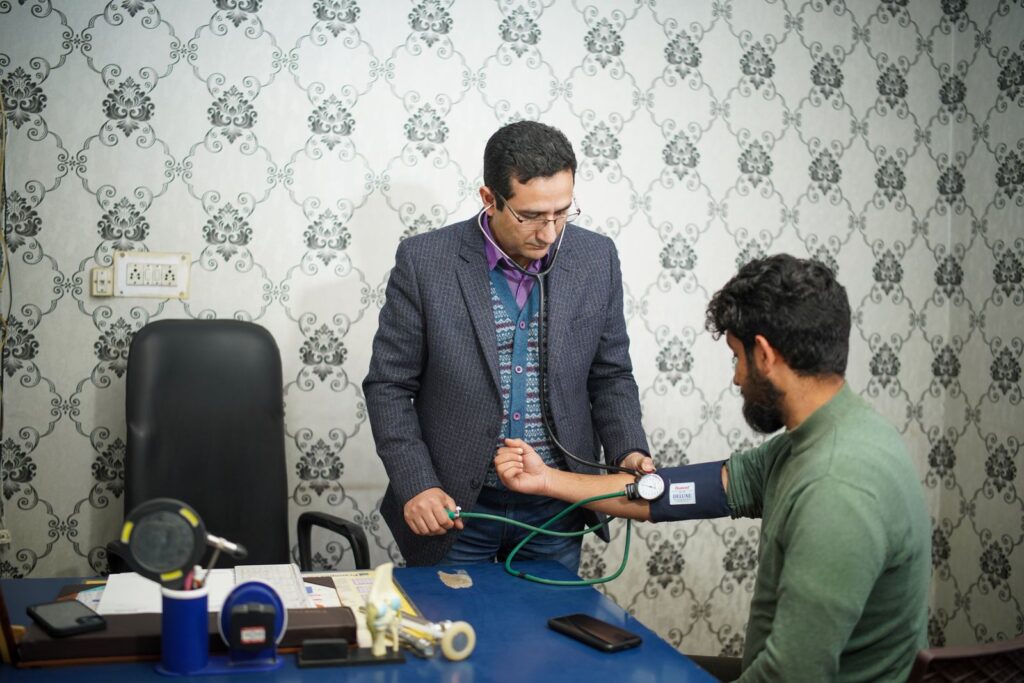
Two numbers, one on top of the other, get handed to you at nearly every doctor’s visit, and most of us nod along without really knowing what they mean beyond a vague sense that lower is better. Blood pressure readings are one of the most common pieces of health data collected anywhere in the world, yet the actual meaning behind the systolic and diastolic numbers, and what counts as normal versus concerning, remains genuinely unclear to a lot of people.
Understanding these categories does not require a medical degree. It just requires knowing what the two numbers represent and where the official thresholds sit — both of which are more straightforward than the jargon makes them sound.
What Systolic and Diastolic Actually Measure
The top number, systolic pressure, measures the force of blood against your artery walls when your heart contracts and pushes blood out. The bottom number, diastolic pressure, measures that same force while your heart is at rest between beats, refilling with blood. Both numbers matter, but they reflect slightly different things happening in your cardiovascular system, which is why a reading is always given as a pair rather than a single figure.
A reading of 118/76, for example, is read as “118 over 76” — a systolic pressure of 118 mm Hg and a diastolic pressure of 76 mm Hg. Millimeters of mercury (mm Hg) is simply the traditional unit used for pressure measurements in medicine, a holdover from the mercury-column devices doctors used for generations.

The Official Blood Pressure Categories
The American Heart Association defines five categories based on systolic and diastolic readings:
- Normal: below 120 systolic and below 80 diastolic
- Elevated: 120–129 systolic and below 80 diastolic
- Hypertension Stage 1: 130–139 systolic or 80–89 diastolic
- Hypertension Stage 2: 140 or higher systolic or 90 or higher diastolic
- Hypertensive Crisis: higher than 180 systolic and/or higher than 120 diastolic — this requires immediate medical attention
Notice that the categories use “or” rather than “and” once you get to Stage 1 and above — meaning either number alone being elevated is enough to place a reading into that category, even if the other number looks fine.
Check Your Own Numbers
If you have a recent reading on hand, you can see which category it falls into using the official thresholds above.
Enter a blood pressure reading to see its category based on American Heart Association thresholds.
This tool reflects a single reading against published category thresholds. It is not a diagnosis — blood pressure naturally varies throughout the day, and a doctor typically confirms hypertension using multiple readings over time. If you have symptoms like chest pain, shortness of breath, severe headache, or vision changes along with a very high reading, seek emergency care immediately.
Why These Categories Matter, Even Without Symptoms
High blood pressure earned the nickname “the silent killer” for a reason — it typically causes no symptoms at all until it has already contributed to damage in the arteries, heart, kidneys, or eyes. This is exactly why routine checks matter even when you feel completely fine. A family member of mine went years with untreated Stage 1 readings simply because nothing ever felt wrong, until a checkup revealed it had progressed further than anyone realized. Catching it early is usually a matter of simple lifestyle adjustments; catching it late can mean a much bigger intervention.

What Can Skew a Single Reading
Blood pressure is not a fixed number — it shifts throughout the day based on activity, stress, caffeine, hydration, and even the position of your arm during measurement. A few common factors that can temporarily raise a reading include having just exercised, a full bladder, crossed legs while seated, talking during the measurement, and a phenomenon called “white coat syndrome,” where simply being in a medical setting raises blood pressure due to nervousness. This is part of why doctors generally want to see a pattern across multiple readings rather than relying on any single number.
Practical Steps if Your Numbers Are Elevated
- Reduce sodium intake. Processed and restaurant food is the largest source of sodium for most people, more so than the salt shaker at home.
- Move regularly. Consistent aerobic activity is one of the most well-supported ways to lower blood pressure over time.
- Limit alcohol and manage stress. Both have measurable effects on blood pressure independent of diet.
- Track it over time. A home blood pressure monitor, used at consistent times of day, gives a far more reliable picture than a single reading at a checkup.
- Talk to a doctor before assuming anything. Especially at Stage 1 and above, professional guidance matters more than a general article like this one.
Frequently Asked Questions
Is the top or bottom number more important? For most adults over 50, systolic pressure (the top number) tends to be a stronger predictor of cardiovascular risk, since arteries naturally stiffen with age. That said, both numbers are used together in official categories, and neither should be ignored.
Can blood pressure be too low? Yes. Readings consistently below roughly 90/60 mm Hg, especially if paired with dizziness, fainting, or fatigue, can indicate hypotension and are also worth discussing with a doctor.
How often should I check my blood pressure? For most healthy adults with normal readings, checking at annual checkups is generally sufficient. If you have been told you are in the elevated or hypertension range, your doctor will likely recommend more frequent home monitoring.
Final Thoughts
Blood pressure categories exist to catch a genuinely silent risk factor before it becomes a bigger problem, not to alarm anyone over a single slightly-elevated reading. If your numbers land in the elevated or Stage 1 range, that is useful information, not a diagnosis — the next reasonable step is simply tracking it over time and talking to a doctor, rather than panicking over one number on one day.
Sources
- American Heart Association — Understanding Blood Pressure Readings
- Mayo Clinic — Blood Pressure Chart: What Your Reading Means
This article is for general educational purposes and is not a substitute for personalized medical advice. A single reading is not a diagnosis. If you experience symptoms such as chest pain, shortness of breath, or vision changes alongside a very high reading, seek emergency care immediately.
For lifestyle strategies with research behind them, see our guide to how to lower blood pressure naturally.
About the Author
This article was written and reviewed by the Drxty Editorial Team, focused on translating public health information into clear, practical guidance for everyday readers. If you spot an error or have a correction, please contact us.