
A persistent ringing, buzzing, or hissing sound with no external source is one of the more disorienting experiences a person can have, precisely because there’s often nothing physically wrong that a doctor can point to and remove. Tinnitus is common, generally not dangerous on its own, and increasingly well understood, even though it doesn’t always have a single clear fix.
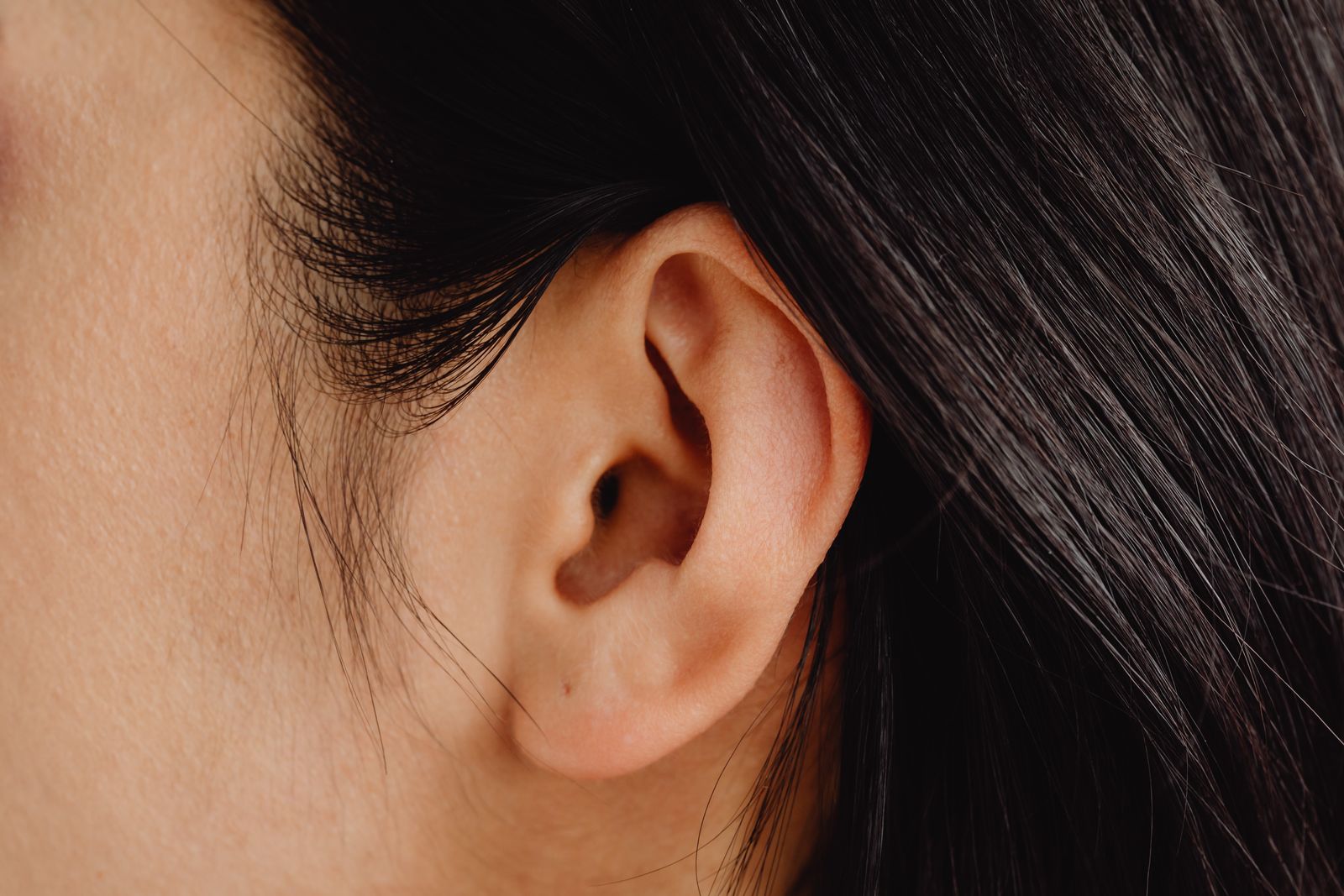
What Tinnitus Actually Is
Tinnitus is the perception of sound without an external source, and it’s a symptom rather than a disease in itself. It’s commonly linked to changes in the auditory system, often following noise-induced hearing damage, age-related hearing loss, or other changes affecting how the inner ear and brain process sound. In many cases, when hearing loss occurs in specific frequency ranges, the brain appears to “fill in” the missing input with a perceived sound, somewhat similar to how phantom limb sensations can occur after amputation.
Common Causes and Contributing Factors
- Noise exposure, whether a single very loud event or cumulative exposure over years
- Age-related hearing changes
- Earwax blockage, which can sometimes cause temporary tinnitus that resolves once removed
- Certain medications (some antibiotics, high-dose aspirin, certain chemotherapy drugs) that can affect hearing
- Jaw joint (TMJ) dysfunction, in some cases
- Underlying conditions affecting blood vessels or the inner ear, in less common cases
Management Approaches
There’s no universal cure for chronic tinnitus, but several approaches have reasonable evidence for reducing its impact. Sound therapy (background noise, white noise machines) can make tinnitus less noticeable, particularly in quiet environments. Hearing aids, when hearing loss is present, often reduce perceived tinnitus by amplifying external sound. Cognitive behavioral therapy has shown meaningful benefit for reducing distress and improving quality of life, even when the tinnitus sound itself doesn’t change. Addressing any underlying, treatable cause (earwax, medication side effect, TMJ issues) can resolve or reduce tinnitus in some cases.
Frequently Asked Questions
Is tinnitus a sign of a serious underlying condition? Most cases are linked to hearing changes or noise exposure and aren’t dangerous, though sudden onset, tinnitus in only one ear, or tinnitus accompanied by dizziness or hearing loss warrants medical evaluation to rule out less common but more significant causes.
Does tinnitus get worse over time? This varies considerably by individual and underlying cause; some people find it stays stable, some notice improvement over time as the brain adapts, and management strategies can meaningfully reduce its perceived intensity and impact regardless of the underlying trajectory.
What’s Actually Happening When You Hear Ringing With No Sound Present
Tinnitus isn’t a disease itself, it’s a symptom, and it’s usually the brain’s response to some form of change or damage in the auditory system. The most common trigger is noise-induced hearing damage: exposure to loud sound, whether a single intense event like a concert or gunfire, or cumulative exposure over years, can damage the tiny hair cells in the inner ear that detect sound frequencies. When those cells are damaged, the brain sometimes compensates by essentially “filling in” the missing input with phantom noise at the frequency where hearing was lost, which is why tinnitus so often accompanies some degree of hearing loss, even when that hearing loss isn’t obvious in daily life.
Beyond noise exposure, tinnitus has a long list of other possible contributors: earwax buildup, certain medications (including some antibiotics, high-dose aspirin, and some chemotherapy drugs), age-related hearing decline, jaw joint (TMJ) problems, high blood pressure, and less commonly, an underlying vascular or neurological issue. This variety of causes is exactly why persistent tinnitus, especially if it’s new, one-sided, or accompanied by dizziness or hearing changes, is worth having evaluated rather than assumed to be permanent or untreatable.
What Actually Helps Day to Day
For tinnitus without a treatable underlying cause, which describes a large share of chronic cases, management focuses on reducing how much it bothers you rather than eliminating the sound itself. Sound therapy, using a fan, white noise machine, or masking app, particularly at bedtime, is one of the most consistently recommended approaches because it prevents the ringing from becoming the only sound in an otherwise silent room, which is when it’s most noticeable and distressing. Hearing aids, when hearing loss is also present, frequently reduce tinnitus perception as a secondary benefit by restoring input at the affected frequencies.
Cognitive behavioral therapy has some of the strongest evidence of any tinnitus-specific intervention, not because it changes the sound itself, but because it changes the emotional reaction and attention patterns that often determine whether tinnitus is a minor background nuisance or a significant source of distress and sleep disruption. Avoiding further loud noise exposure, using hearing protection around loud sound going forward, is the most straightforward prevention step for keeping existing tinnitus from worsening.
When to See a Doctor
Tinnitus that starts suddenly, occurs in only one ear, pulses in time with your heartbeat, or comes with dizziness, sudden hearing loss, or facial numbness warrants prompt medical evaluation, since these patterns can point to specific, sometimes treatable causes that are different from the more common noise-related type. Even routine, longstanding tinnitus is worth mentioning at a checkup if it’s affecting sleep, concentration, or mood, since there are more support options available now than the “just live with it” advice many people were given in the past.
Keeping a simple log of when tinnitus feels more or less noticeable, alongside factors like sleep, stress, caffeine, and salt intake, can help identify personal patterns, since some people find specific dietary or lifestyle factors reliably worsen their perception of the sound even when the underlying cause remains the same.
Sources
- National Institute on Deafness and Other Communication Disorders — Tinnitus
- American Speech-Language-Hearing Association — Tinnitus
- MedlinePlus (U.S. National Library of Medicine)
- NIH (National Institutes of Health)
Final Thoughts
Tinnitus is common and usually not dangerous, but it’s still worth a medical evaluation, especially with sudden onset or accompanying symptoms, to identify any treatable cause and access management approaches that can meaningfully reduce its day-to-day impact.
This article is for general educational purposes and is not a substitute for personalized medical advice.
About the Author
This article was written and reviewed by Ethan Brooks, focused on translating public health information into clear, practical guidance for everyday readers. If you spot an error or have a correction, please contact us.