
The idea that plant-based eaters need to carefully “combine” proteins at every meal to avoid deficiency is largely outdated nutrition advice. Modern research paints a more forgiving picture, though there are still real, practical considerations for hitting protein targets on a plant-based diet.

Complete vs. Incomplete Proteins
Protein is made up of amino acids, nine of which are “essential” because the body can’t produce them and must get them from food. A “complete” protein contains all nine in sufficient amounts; most animal proteins are complete, while many individual plant proteins are lower in one or more essential amino acids (often lysine in grains, or methionine in legumes). Soy, quinoa, and buckwheat are notable plant-based exceptions that are considered complete proteins on their own.
Why “Combining” at Every Meal Isn’t Necessary
Earlier nutrition guidance suggested plant-based eaters needed to combine complementary proteins (like rice and beans) within the same meal to get a complete amino acid profile. More recent research has found the body maintains a pool of amino acids over the course of a day, meaning complementary plant proteins eaten at different meals within the same day still combine effectively — there’s no need to engineer every single plate. Eating a reasonably varied plant-based diet across the day naturally covers this for most people.
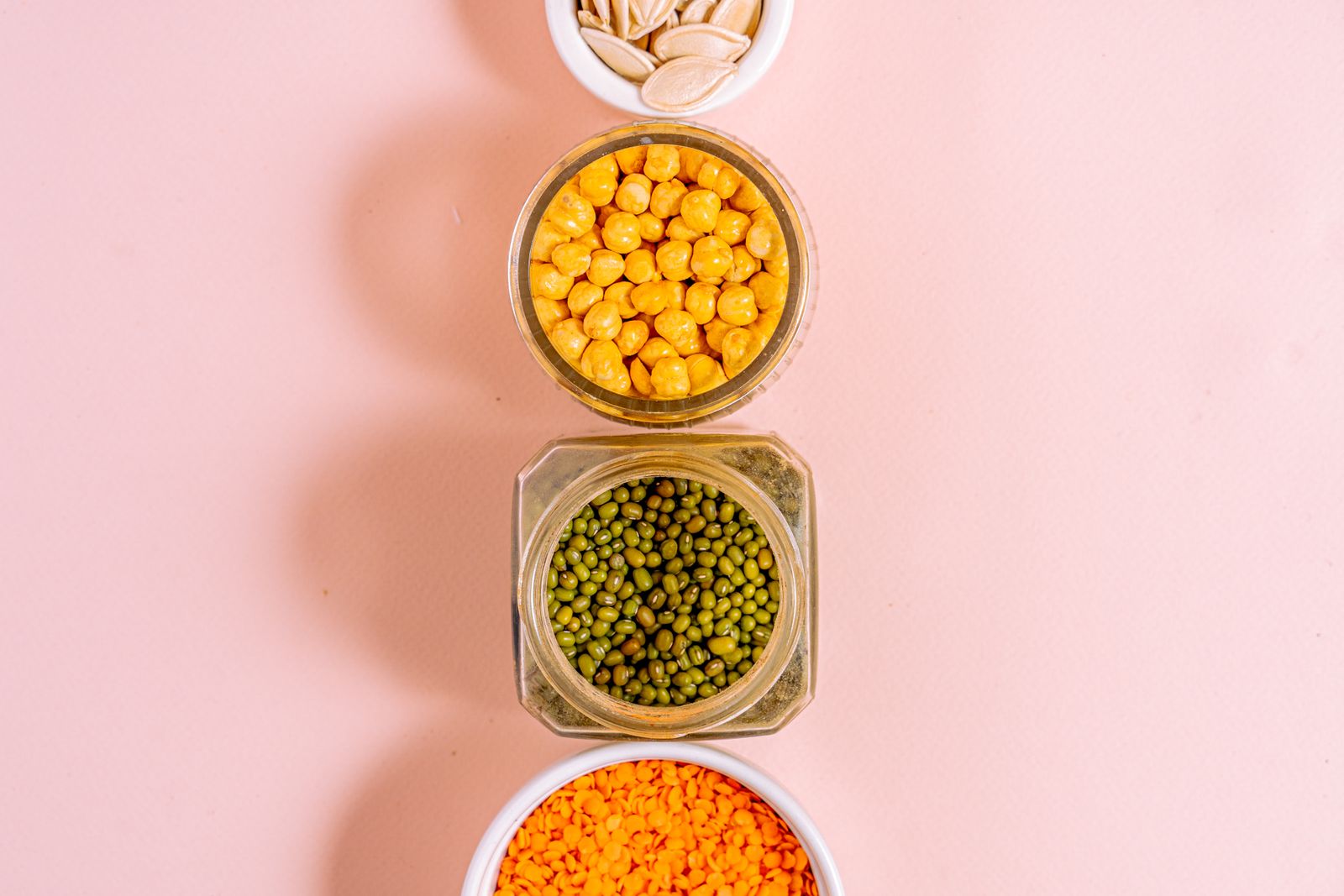
Protein Content of Common Plant Sources
- Lentils: roughly 18g per cooked cup
- Chickpeas: roughly 15g per cooked cup
- Tofu: roughly 10g per half cup
- Tempeh: roughly 15-16g per half cup (higher than tofu due to less processing/water content)
- Seitan: roughly 21-25g per 3.5 oz serving, among the highest plant sources, though not suitable for those avoiding gluten
- Quinoa: roughly 8g per cooked cup, plus a complete amino acid profile
- Edamame: roughly 17g per cooked cup
A Practical Consideration: Digestibility
Beyond amino acid completeness, protein quality scoring systems like DIAAS also account for digestibility — how efficiently the body actually absorbs and uses the protein. Some plant proteins score somewhat lower on digestibility than animal proteins, largely due to fiber and other plant compounds that can modestly reduce absorption. This is a real, if generally minor, consideration — not a reason to avoid plant protein, but a reason to aim slightly higher on total protein intake if relying heavily on lower-digestibility sources.
Frequently Asked Questions
Can athletes build muscle on plant protein alone? Research generally supports that plant-based diets can support muscle building and athletic performance when total protein intake and variety are adequate, though it may require somewhat more deliberate planning than an omnivorous diet.
Do I need a plant-based protein supplement? Not necessarily, if whole food sources like legumes, tofu, tempeh, and seitan are eaten regularly and in adequate amounts; supplements are a convenience option rather than a requirement.
The “Incomplete Protein” Myth
A persistent piece of outdated nutrition advice holds that plant proteins are “incomplete” and therefore inherently inferior to animal protein, and that vegetarians and vegans need to carefully combine specific foods at every single meal (like rice and beans) to form a “complete” protein. This idea traces back to research from the 1970s that has since been substantially revised. The current scientific consensus, reflected in major dietetics association guidelines, is that as long as you eat a reasonably varied diet with adequate total protein across the day, your body pools amino acids from different meals rather than requiring every single meal to independently contain all essential amino acids, making meal-by-meal protein combining unnecessary for most people eating a varied plant-based diet.
Some individual plant foods are, in fact, complete proteins on their own, containing all nine essential amino acids in meaningful amounts, including soy, quinoa, buckwheat, and hemp seeds, which further undermines the idea that plant-based eaters need to engineer combinations at every meal.
Getting Enough Protein on a Plant-Based Diet
The more relevant practical consideration for plant-based eaters isn’t amino acid completeness, it’s total protein volume and, to a lesser extent, digestibility, since some plant proteins are somewhat less efficiently absorbed than animal proteins gram for gram, meaning plant-based eaters may benefit from targeting slightly higher total protein intake to compensate. Good plant protein sources with meaningful amounts per serving include legumes (lentils, chickpeas, black beans), soy products (tofu, tempeh, edamame), seitan (wheat gluten, notably high in protein though not a complete amino acid profile on its own), quinoa, and to a smaller degree, nuts, seeds, and whole grains, which contribute useful amounts even though they’re not primary protein sources on their own.
Combining several of these sources across a day, rather than relying on just one or two, naturally provides amino acid variety without requiring the deliberate meal-pairing that older advice emphasized, since the body’s amino acid pool is replenished across the whole day, not reset at each individual meal.
Practical Planning Tips
For anyone eating primarily or entirely plant-based, spreading protein sources across meals rather than concentrating them in one, and being intentional about including a protein-rich plant food at most meals (rather than treating protein as an afterthought), tends to make hitting adequate total intake considerably easier. People with higher protein needs, athletes, older adults, or anyone in a calorie deficit, may find plant-based protein powders (pea, soy, or blended options) a practical way to close any gap, particularly around workouts, without needing to significantly increase whole food volume.
Sources
- Harvard T.H. Chan School of Public Health — Protein Sources
- Academy of Nutrition and Dietetics — Vegetarian Diets and Protein
- NIH Office of Dietary Supplements
Final Thoughts
Getting enough complete protein on a plant-based diet is very achievable with a bit of variety across the day, without the rigid meal-by-meal combining once thought necessary. Focusing on total protein intake and a diverse mix of legumes, soy foods, and grains covers the bases for most people.
This article is for general educational purposes and is not a substitute for personalized medical or nutritional advice.
About the Author
This article was written and reviewed by Maya Chen, focused on translating public health information into clear, practical guidance for everyday readers. If you spot an error or have a correction, please contact us.