
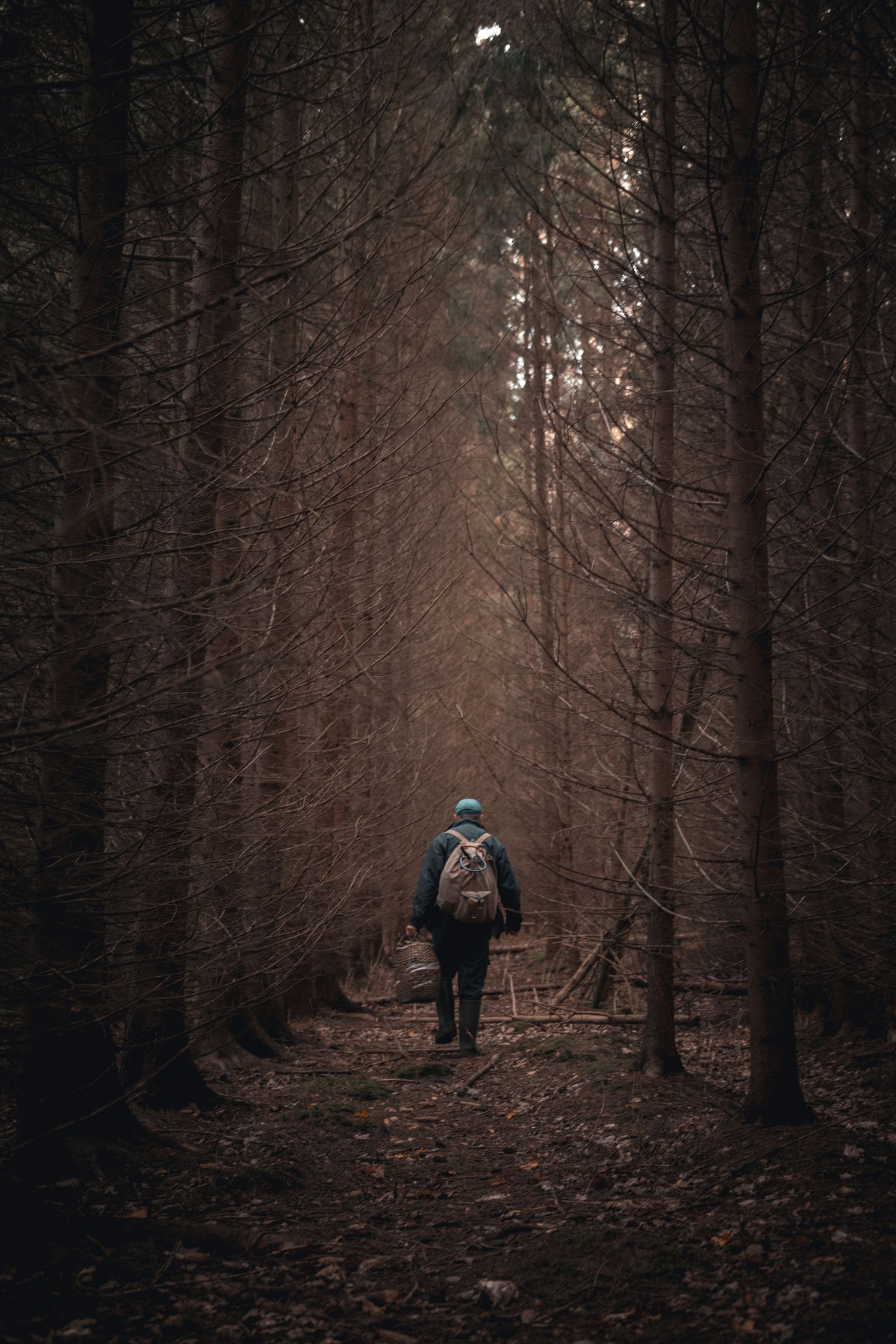
Shinrin-yoku, or “forest bathing,” began as a public health initiative in Japan in the 1980s and has since become a subject of a meaningful body of research examining how time spent immersed in nature affects the body and mind. It’s less about exercise (it’s not the same as a fitness hike) and more about slow, sensory-focused time spent among trees.
What the Research Shows
Studies on forest bathing have found reductions in cortisol (a key stress hormone), lower blood pressure and heart rate, and improvements in self-reported mood following time spent in forested environments, compared to similar time spent in urban settings. Some research has also examined effects on immune markers, including natural killer cell activity, with certain studies suggesting temporary increases following forest exposure, potentially linked to compounds called phytoncides released by trees, though this specific area needs more research to fully understand.
Why It Might Work
Several overlapping explanations are commonly proposed: reduced exposure to urban stressors (noise, traffic, visual clutter), the calming effect of natural environments on the autonomic nervous system, gentle physical activity from walking, and simply engaging in a slower-paced activity than typical daily routines allow. It’s likely a combination of these factors rather than one single mechanism.
How It’s Typically Practiced
Unlike a structured hike with a destination or pace goal, forest bathing emphasizes slow, unhurried movement and deliberate sensory engagement: noticing the sounds, smells, textures, and light of the surrounding forest rather than treating the walk as a means to an end. Sessions in research studies commonly last a couple of hours, though shorter, more accessible versions — even 20-30 minutes in a local park or wooded area — appear to offer at least some benefit based on available research.
Frequently Asked Questions
Do I need an actual forest, or does any green space work? Most research has focused specifically on forested areas, but studies on urban parks and green spaces have found some similar, if often smaller, benefits, suggesting any accessible natural setting is worth using if a forest isn’t nearby.
How often should someone practice forest bathing to see benefits? Research designs vary, but even occasional sessions have shown measurable short-term effects on stress markers; more frequent practice likely compounds the benefit, similar to other stress-reduction habits.
What Shinrin-Yoku Actually Involves
Forest bathing, translated from the Japanese “shinrin-yoku,” isn’t hiking or exercise in the conventional sense. It’s the deliberate, slow, sensory practice of being present in a wooded or natural environment: noticing the texture of bark, the smell of soil after rain, the sound of wind moving through leaves, without a destination or pace goal. The practice originated in Japan in the 1980s partly as a public health response to stress-related illness, and has since become one of the more heavily studied nature-based interventions, with a body of research examining physiological markers rather than just self-reported mood.
Several studies comparing time spent in forest settings against equivalent time in urban environments have found measurable reductions in cortisol (a primary stress hormone), lower blood pressure and pulse rate, and increased activity of natural killer cells, a component of immune function, following forest exposure. Some of this effect has been attributed to phytoncides, antimicrobial compounds released by trees and plants, which participants inhale during time in wooded areas, though researchers are still working out how much of the benefit comes specifically from these compounds versus the broader combination of quiet, natural light, and reduced sensory demands.
What the Evidence Doesn’t Support
It’s worth being honest about the limits of this research. Many studies are small, short-term, and conducted in specific forest environments in Japan and Korea that may not generalize directly to other places, and few have followed participants long enough to know whether benefits persist with occasional versus regular practice. Claims that forest bathing can meaningfully treat clinical depression, anxiety disorders, or chronic disease on its own go well beyond what the current evidence supports; the more defensible claim is that time in a natural setting reliably reduces acute stress markers and improves mood in the short term, which is meaningful but different from a medical treatment.
Practically, this means forest bathing is worth doing because unstructured time in nature is genuinely pleasant and measurably calming for most people, not because it’s a substitute for treatment of a diagnosed mental health condition.
How to Try It Without Overthinking It
You don’t need a pristine old-growth forest or a guided program to get the core benefit. A local park, a tree-lined trail, or even a quiet backyard with plants can work, since the key variables researchers point to are slow, unhurried movement, minimal phone use, and engaging your senses deliberately rather than covering distance. Twenty minutes is enough to see measurable changes in several studies, though longer sessions of an hour or more tend to show larger effects.
If you’re short on time or access to a natural setting, even a few minutes of intentional, unhurried attention to trees, plants, or a window view has shown small measurable benefits in some studies, though the effect is generally smaller than a full session outdoors.
The best predictor of whether you’ll actually keep it up isn’t the “correct” dose of nature exposure, it’s picking a spot close enough to your daily routine that it doesn’t require special planning, since consistency matters more than any single long session.
Sources
- National Library of Medicine — Physiological Effects of Forest Bathing (Shinrin-Yoku)
- The Nature Conservancy — Forest Bathing Overview
- NIH (National Institutes of Health)
Final Thoughts
Forest bathing offers a research-supported, low-cost way to reduce stress markers and improve mood, and it requires no special equipment beyond access to a natural area and a willingness to slow down. Even short, occasional sessions appear to offer real value.
This article is for general educational purposes and is not a substitute for personalized professional advice.
About the Author
This article was written and reviewed by Ethan Brooks, focused on translating public health information into clear, practical guidance for everyday readers. If you spot an error or have a correction, please contact us.