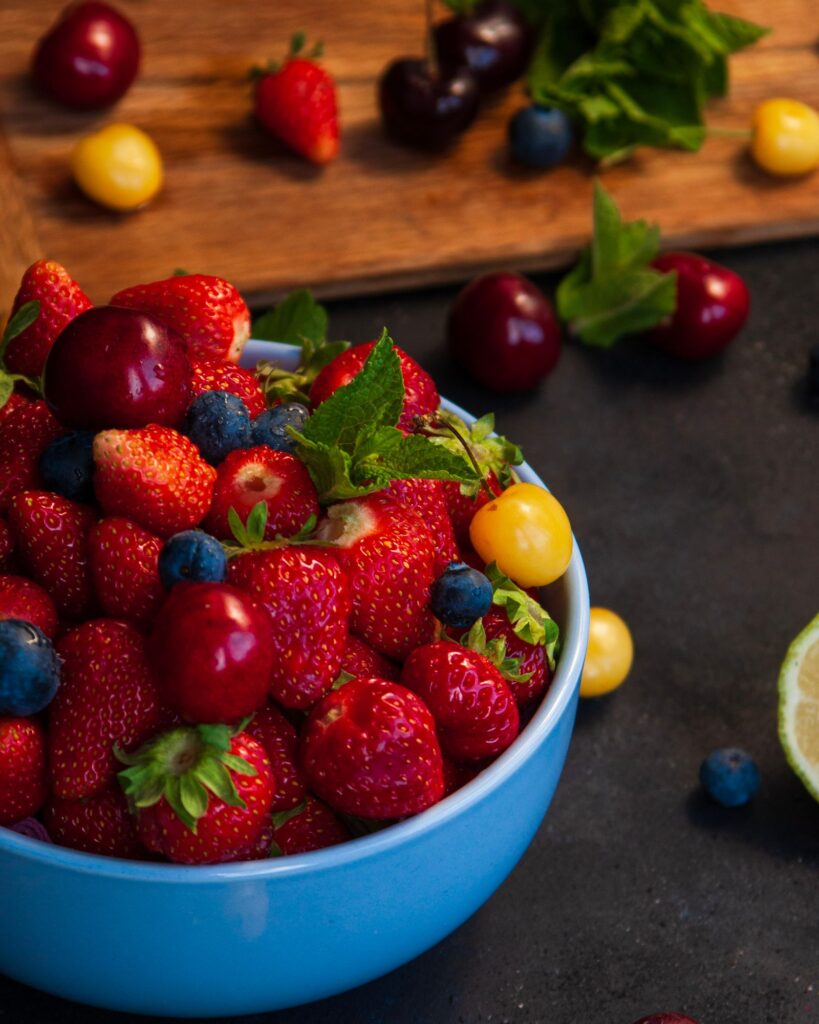
Antioxidants are one of the most heavily marketed nutrition buzzwords, printed on everything from juice bottles to skincare products. The underlying science is real, but a lot of the marketing outpaces what research actually supports about how much difference dietary antioxidants make.

What Antioxidants Actually Do
Antioxidants neutralize free radicals — unstable molecules produced naturally during normal metabolism, as well as from things like pollution, UV exposure, and smoking, that can damage cells if left unchecked (a process called oxidative stress). Vitamin C, vitamin E, beta-carotene, and various plant compounds called flavonoids and polyphenols all act as antioxidants in different ways, which is why “antioxidant” isn’t one single substance but a functional category that includes many different molecules.
Where the Marketing Gets Ahead of the Science
Oxidative stress is genuinely linked to aging processes and various diseases, which is the real science behind antioxidant interest. However, large clinical trials testing high-dose antioxidant supplements (particularly beta-carotene and vitamin E) for disease prevention have generally failed to show the benefits researchers hoped for, and some trials found potential harm at high supplemental doses in specific populations, such as increased lung cancer risk from beta-carotene supplements in smokers. This is a notably different picture from eating antioxidant-rich whole foods, which has more consistent supporting evidence.

Why Whole Foods Beat Supplements Here
Whole foods rich in antioxidants — berries, leafy greens, colorful vegetables, nuts, and tea — deliver these compounds alongside fiber, other vitamins and minerals, and a mix of different antioxidant types working together, which may partly explain why food-based intake tends to correlate better with health outcomes in research than isolated high-dose supplements. Nutrition researchers generally recommend getting antioxidants through a varied, colorful diet rather than through concentrated supplements, except when a specific deficiency is diagnosed.
Frequently Asked Questions
Do “antioxidant scores” like ORAC on food labels mean anything? The USDA actually removed its ORAC database years ago after concluding the values didn’t reliably predict health benefits in humans, since antioxidant activity measured in a lab doesn’t necessarily translate directly to effects in the body.
Should I take an antioxidant supplement? For most healthy people eating a varied diet, research doesn’t support added benefit from antioxidant supplements, and some high-dose supplements carry documented risks in specific groups; a healthcare provider can advise if a specific deficiency applies to you.
What Antioxidants Actually Do in the Body
Antioxidants neutralize free radicals, unstable molecules produced naturally through normal metabolism, exercise, and exposure to things like UV light and pollution, which can damage cells if left unchecked in large numbers. This process, called oxidative stress, is a normal and constant part of being alive, and your body has its own built-in antioxidant defense system, including enzymes it produces internally, that handles routine free radical activity without any help from supplements. Dietary antioxidants, like vitamin C, vitamin E, and various plant compounds called polyphenols, support this system but were never meant to be the whole story.
The science here is genuinely solid at the level of “diets rich in fruits and vegetables, which are high in antioxidants, are associated with lower rates of chronic disease.” Where the science gets much shakier is the leap marketing makes from that finding to “therefore, concentrated antioxidant supplements will replicate or exceed that benefit,” which is a different and largely unproven claim.
Where the Supplement Claims Fall Apart
Large randomized trials testing high-dose antioxidant supplements, particularly beta-carotene and vitamin E, have repeatedly failed to show the disease-prevention benefits that observational studies of whole-food diets suggested, and in a few notable cases, like beta-carotene supplementation in smokers, actually showed increased risk of certain outcomes. Researchers believe part of the explanation is that whole foods deliver antioxidants alongside fiber, hundreds of other plant compounds, and a matrix of nutrients that work together in ways an isolated supplement pill can’t replicate. Another possibility is that megadoses of a single antioxidant can actually disrupt the body’s normal, tightly regulated oxidative balance rather than simply “adding more protection.”
This doesn’t mean all antioxidant supplementation is pointless, some, like certain forms used for documented deficiencies, have legitimate clinical uses, but it does mean the blanket idea of “more antioxidants is always better” isn’t supported by the strongest available evidence.
A More Reliable Approach
If the goal is genuinely reducing oxidative stress and supporting long-term health, the evidence most consistently favors variety and volume of whole plant foods over any single supplement: berries, leafy greens, colorful vegetables, nuts, and legumes each bring a different mix of antioxidant compounds. A practical target used in much of the research is simply eating a wide range of colors and plant types across the week, rather than trying to maximize any one nutrient. Antioxidant supplements aren’t inherently dangerous at typical doses, but they’re best treated as a minor addition to, not a substitute for, an already reasonable diet.
Fortified foods and cooking methods matter too: light steaming preserves more antioxidant content in vegetables than boiling, since many of these compounds are water-soluble and leach out into cooking water that then gets discarded.
Frozen fruits and vegetables, picked and frozen at peak ripeness, often retain antioxidant levels comparable to or higher than fresh produce that’s traveled and sat on a shelf for days, making them a practical and budget-friendly option worth not overlooking.
Cooking method aside, simply eating a wider variety of colorful plant foods across a week, rather than relying on the same few vegetables repeatedly, exposes you to a broader range of antioxidant compounds than any single “superfood” could provide on its own.
Sources
- NIH Office of Dietary Supplements — Antioxidants Fact Sheet
- National Cancer Institute — Antioxidants and Cancer Prevention
- NIH Office of Dietary Supplements
- NIH (National Institutes of Health)
Final Thoughts
Antioxidants are a real and important part of nutrition science, but the strongest evidence supports getting them from a varied diet of whole foods rather than chasing high-dose supplements or marketing claims about “antioxidant power.”
This article is for general educational purposes and is not a substitute for personalized medical or nutritional advice.
About the Author
This article was written and reviewed by Drxty Editorial Team, focused on translating public health information into clear, practical guidance for everyday readers. If you spot an error or have a correction, please contact us.