Zinc doesn’t get much attention until you catch a cold, and then suddenly everyone is recommending a lozenge. But zinc’s actual role in the body goes well beyond immune support during a sickness — it’s involved in wound healing, DNA synthesis, taste and smell, and the function of well over 300 enzymes. It’s also a mineral the body has no dedicated storage system for, which means a steady supply from food matters more than it does for minerals you can stockpile.
What Zinc Actually Does
Zinc supports immune cell development and function, helps synthesize proteins and DNA, plays a role in cell division and growth, and is required for your senses of taste and smell to work normally. It’s also essential for wound healing, which is why zinc deficiency can present as slow-healing cuts or skin issues. During pregnancy and childhood, adequate zinc is particularly important for normal growth and development.
Zinc is involved in an unusually wide range of physiological functions for a trace mineral, playing a role in enzyme activity across hundreds of different biochemical reactions in the body. Despite this broad importance, zinc doesn’t get the same public attention as more commonly discussed nutrients like vitamin D or calcium — and because zinc status isn’t routinely tested the way some other nutrients are, mild insufficiency (falling short of optimal without full clinical deficiency) may be more common than outright deficiency statistics suggest.
How Much You Need
- Adult men: 11 mg/day
- Adult women: 8 mg/day
- Pregnancy: 11-12 mg/day
- Breastfeeding: 12-13 mg/day
- Children 1-3: 3 mg/day
- Children 4-8: 5 mg/day
- Children 9-13: 8 mg/day
The tolerable upper intake level for adults is 40 mg/day; chronic intake above this, often from over-supplementing, can interfere with copper absorption and weaken immune function over time — ironically, the opposite of what most people are trying to achieve by taking extra zinc.
Good Food Sources
- Oysters: by far the richest source, often 30+ mg per 3 ounces
- Beef and red meat: roughly 4-7 mg per 3-ounce serving
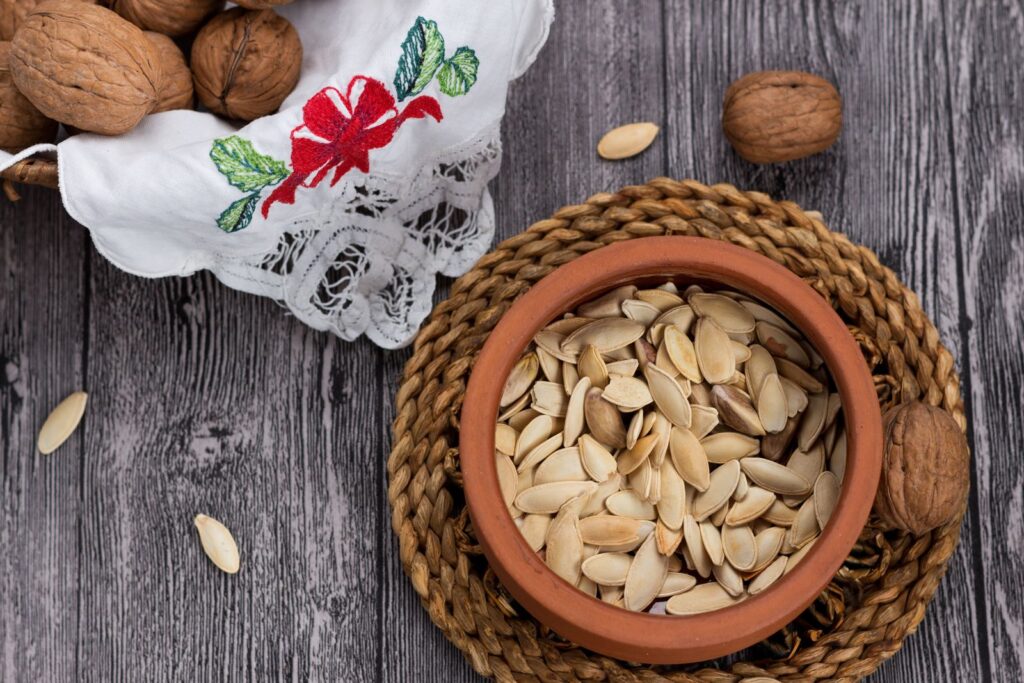
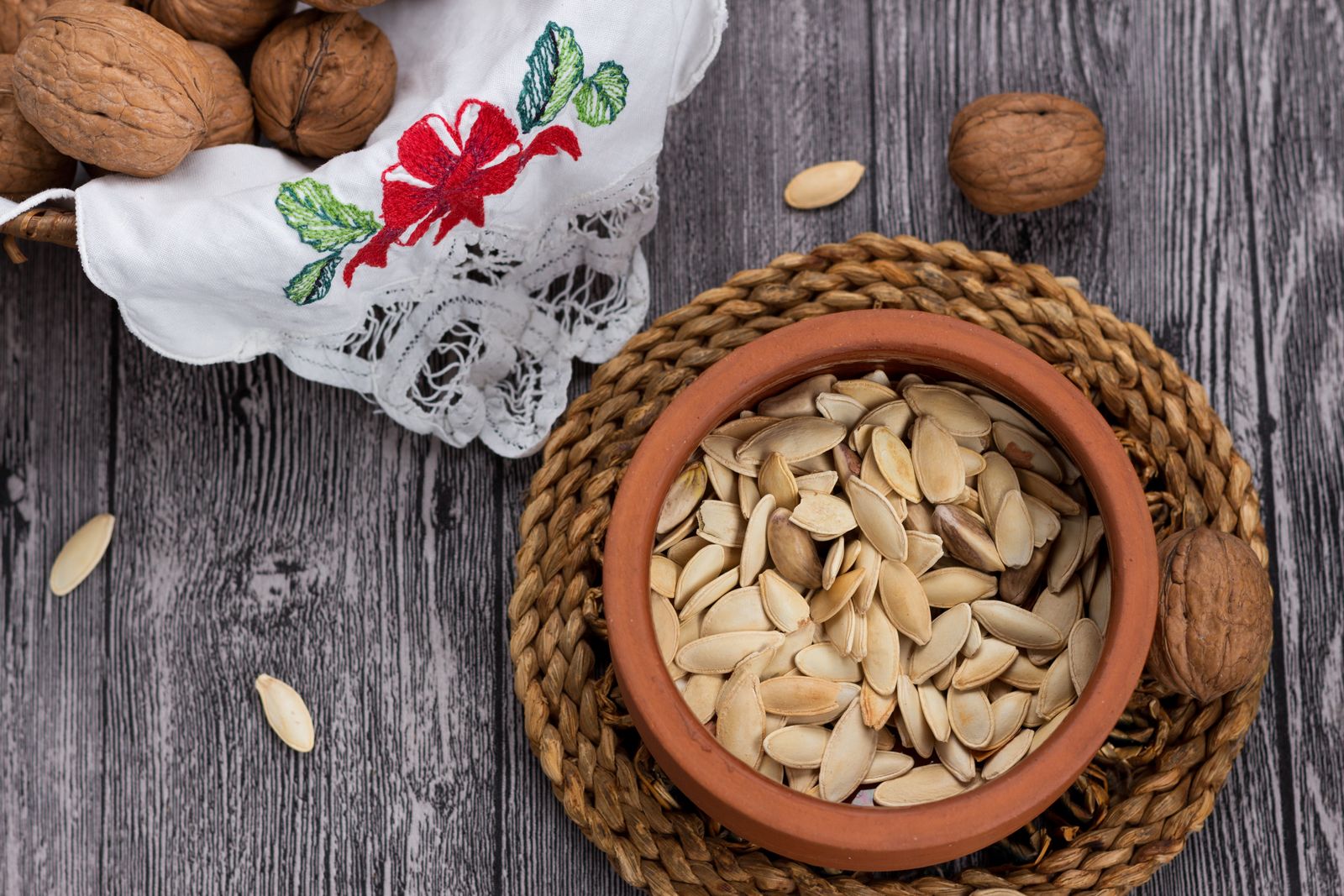
- Pumpkin seeds: about 2 mg per ounce
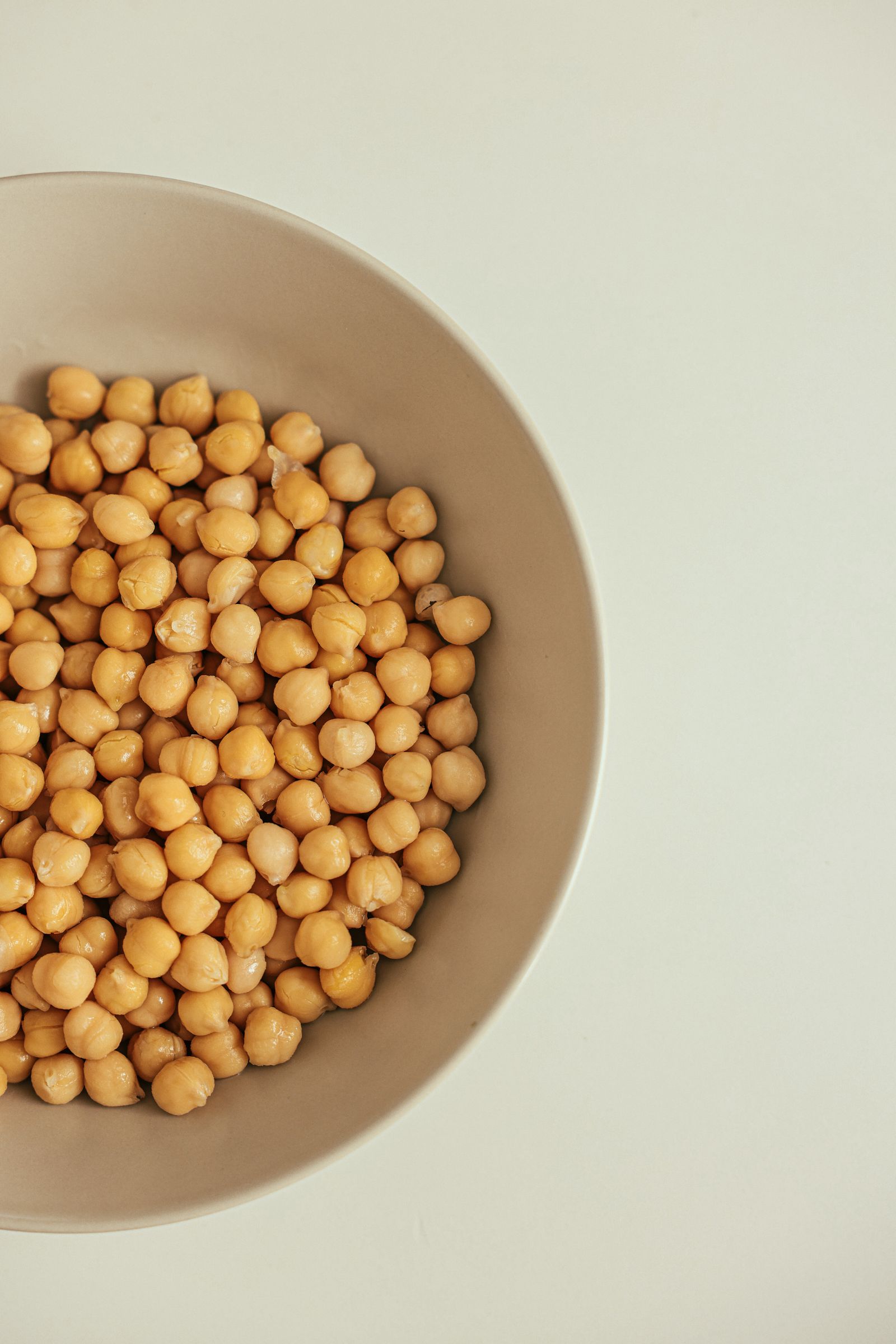
- Chickpeas: around 1.3 mg per half-cup cooked
- Cashews: roughly 1.6 mg per ounce
- Fortified breakfast cereals
- Dairy products like yogurt and cheese
Animal sources generally provide more readily absorbed zinc than plant sources, since compounds called phytates in grains and legumes bind zinc and reduce its absorption — worth keeping in mind when comparing food sources rather than relying on milligram counts alone.
Zinc and the Common Cold: What the Evidence Actually Shows
This is the most well-known claim about zinc, and the evidence is genuinely mixed rather than a clear yes or no. Some clinical trials have found that zinc lozenges, started within 24 hours of symptom onset, can modestly shorten the duration of a common cold by roughly one to two days. Other trials have found no meaningful benefit. The effect, where it exists, appears to depend heavily on the zinc formulation, dose, and how quickly it’s started. It is not a substitute for other cold-management basics like rest and hydration, and high-dose zinc nasal sprays have been linked to permanent loss of smell in some users, so nasal products specifically are best avoided.
The evidence is considerably more mixed for zinc’s role in general immune “boosting” outside of active illness or an established deficiency, so it’s the early-illness lozenge use specifically, not daily supplementation for prevention, that has the most support.
Who’s More Likely to Fall Short
- People following vegetarian or vegan diets, since plant compounds called phytates bind zinc and reduce its absorption
- People with digestive conditions affecting nutrient absorption, such as Crohn’s disease
- Older adults, who tend to eat less overall and absorb nutrients somewhat less efficiently
- People with chronic alcohol use, which increases zinc excretion
- People with chronic kidney disease, which affects zinc handling and excretion
- Pregnant and breastfeeding individuals, due to increased requirements
Because deficiency symptoms overlap with several other conditions, zinc status is worth confirming through bloodwork rather than self-diagnosing from symptoms alone if you suspect a genuine gap.
Frequently Asked Questions
What are the signs of zinc deficiency? Slow wound healing, hair loss, diarrhea, reduced appetite, a diminished sense of taste or smell, and increased susceptibility to infections are among the more recognizable signs, though mild deficiency can be subtle and easy to miss without testing.
Should I take a zinc supplement every day? Most people who eat a varied diet with some animal protein or a mix of legumes, nuts, and seeds meet their zinc needs without supplementing. Daily supplementation makes more sense for people with a diagnosed gap or a condition that increases their risk, ideally under a doctor’s guidance.
Does cooking affect zinc content? Cooking has a modest effect on zinc content itself, but soaking or fermenting legumes and grains (like making sourdough bread) can reduce phytate levels and meaningfully improve how much zinc your body actually absorbs from them.
Sources
- NIH Office of Dietary Supplements — Zinc Fact Sheet
- Linus Pauling Institute, Oregon State University — Zinc
- NIH Office of Dietary Supplements
Final Thoughts
Zinc is easy to overlook because deficiency in wealthier countries is usually mild rather than dramatic, showing up as slower healing or a slightly duller sense of taste rather than an obvious illness. A varied diet with regular protein sources, whether from meat, legumes, nuts, or seeds, covers most people’s needs without any special effort or supplementation.
This article is for general educational purposes and is not a substitute for personalized medical advice.
About the Author
This article was written and reviewed by Ethan Brooks, focused on translating public health information into clear, practical guidance for everyday readers. If you spot an error or have a correction, please contact us.