Sodium gets blamed for high blood pressure constantly, and rightly so, but potassium is the half of that equation that gets far less attention. The two minerals work as a pair inside your cells: sodium and potassium balance fluid levels and nerve signaling together, and when potassium intake is too low relative to sodium, blood pressure tends to rise even if sodium intake itself hasn’t changed.
How Much Potassium You Actually Need
Potassium doesn’t have a formal RDA the way many nutrients do, but the National Academies set an Adequate Intake of 3,400 mg/day for men and 2,600 mg/day for women. Separately, the American Heart Association recommends 3,500 to 5,000 mg per day specifically for people trying to prevent or manage high blood pressure, ideally sourced from food rather than supplements. Most people in the US eat well under half of this amount.
The Evidence on Blood Pressure
The connection between potassium and blood pressure isn’t a minor footnote — it’s a well-studied relationship. Research reviewed by the NIH and AHA has found that higher dietary potassium intake, in the range of roughly 4.7 grams per day, is associated with an average blood pressure reduction of about 8.0/4.1 mmHg. The DASH (Dietary Approaches to Stop Hypertension) eating pattern, which emphasizes potassium-rich fruits, vegetables, and low-fat dairy, provides roughly three times more potassium than a typical American diet and has been shown to lower systolic blood pressure by an average of 5.5 mmHg on its own.

Good Food Sources
- Potatoes (with skin): roughly 900-950 mg per medium potato, actually a bigger source than bananas
- Sweet potatoes: about 540 mg per medium potato
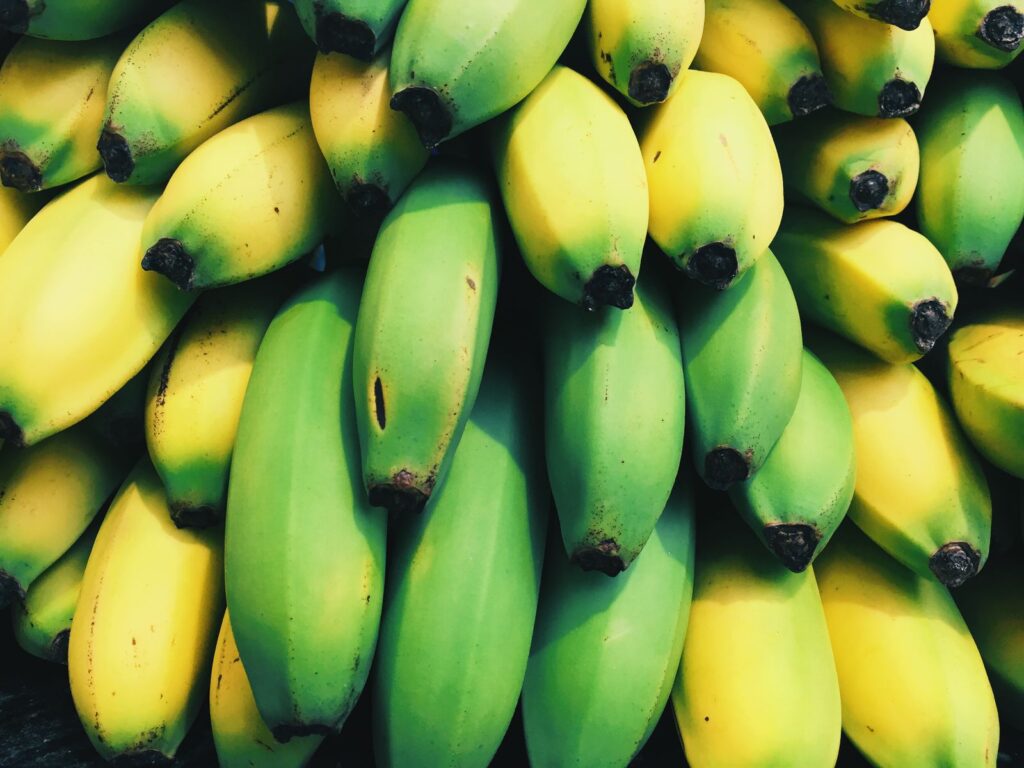
- Bananas: around 420 mg each
- White beans: roughly 600 mg per half-cup cooked
- Spinach: about 420 mg per half-cup cooked
- Avocado: around 700 mg per whole fruit
- Yogurt: roughly 380 mg per cup, depending on the type
- Oranges and orange juice
Potatoes tend to surprise people here — they’re one of the single richest potassium sources in a typical diet, but their reputation as a starchy, less “healthy” food often overshadows this.
Who Should Be Careful With Potassium
This is important: while potassium is beneficial for most people, it is not universally safe to increase. People with chronic kidney disease, or who take certain medications including some blood pressure drugs (ACE inhibitors, ARBs) and potassium-sparing diuretics, can develop dangerously high blood potassium levels (hyperkalemia) if they significantly increase intake without medical guidance. Anyone with kidney disease or on these medications should talk to a doctor before deliberately changing potassium intake, rather than assuming “more is always better.”
Frequently Asked Questions
Should I take a potassium supplement? Generally no, without medical guidance — high-dose potassium supplements can be risky and are typically reserved for people with a diagnosed deficiency under a doctor’s supervision. Food sources are considered the safer, preferred route for most people.
Do salt substitutes with potassium chloride help blood pressure? Some research suggests potassium-enriched salt substitutes can lower blood pressure, but they carry the same hyperkalemia risk for people with kidney disease or on certain medications, so they’re not a blanket recommendation for everyone.
What are signs of low potassium? Muscle weakness, cramping, fatigue, and in more significant cases, abnormal heart rhythms. Mild dietary shortfalls usually don’t cause obvious symptoms, which is part of why it’s easy to underestimate.
Why Potassium Matters as Much as Sodium, If Not More
Public health messaging around blood pressure has historically focused heavily on reducing sodium, but potassium plays an equally important, complementary role that gets considerably less attention. Potassium helps your kidneys excrete excess sodium and helps relax blood vessel walls, both of which support healthy blood pressure, meaning the sodium-potassium balance in your diet matters more than sodium intake viewed in isolation. Research consistently finds that most people in modern, heavily processed-food-based diets consume well below recommended potassium levels while simultaneously consuming excess sodium, a combination that compounds the blood pressure impact of each individual mineral imbalance rather than one simply canceling out the other.
Large observational studies and clinical trials examining potassium intake and blood pressure have found meaningful reductions in blood pressure associated with higher potassium consumption, an effect that appears to hold across different populations and is now reflected in updated dietary guidelines that emphasize increasing potassium alongside reducing sodium, rather than focusing on sodium reduction alone.
How Much You Actually Need and Where to Get It
Current recommendations generally suggest adult potassium intake in the range of 2,600-3,400mg per day depending on sex and other factors, a target many people fall well short of. Good sources include leafy greens, potatoes (including the skin, where a meaningful portion of the potassium is concentrated), bananas (a well-known source but not actually among the highest, several other foods contain considerably more potassium per serving), beans and lentils, avocados, and yogurt, giving a reasonably wide range of both plant and dairy options for reaching adequate intake through food.
Food sources are generally preferred over supplements for most healthy people, since it’s easier to consume excessive potassium through concentrated supplements than through whole foods, and excess potassium (hyperkalemia) can be dangerous, particularly for people with impaired kidney function, since healthy kidneys efficiently excrete extra potassium but impaired kidneys may not.
Important Caution for Certain Groups
People with chronic kidney disease, or those taking certain medications, including some blood pressure medications (ACE inhibitors, ARBs) and potassium-sparing diuretics, need to be more cautious with potassium intake, since these conditions and medications can impair the body’s ability to safely clear excess potassium, and hyperkalemia can cause dangerous heart rhythm problems. Anyone in these categories should discuss appropriate potassium targets directly with their doctor rather than following general population dietary guidance, which assumes normal kidney function and no interacting medications.
Sources
- NIH Office of Dietary Supplements — Potassium Fact Sheet
- American Heart Association — How Potassium Can Help Control High Blood Pressure
- NIH Office of Dietary Supplements
- American Heart Association
Final Thoughts
Cutting sodium is only half the blood pressure equation most people hear about. Increasing potassium-rich foods, potatoes with the skin on, beans, leafy greens, and yogurt, is the less-discussed other half, and for most healthy people it’s a low-risk, well-supported way to support healthier blood pressure over time.
This article is for general educational purposes and is not a substitute for personalized medical advice. If you have kidney disease or take medications affecting potassium levels, talk to a doctor before changing your intake.
About the Author
This article was written and reviewed by Sarah Whitfield, focused on translating public health information into clear, practical guidance for everyday readers. If you spot an error or have a correction, please contact us.