
Cold showers have gone from an ascetic personal habit to a mainstream wellness recommendation, with claims ranging from immune support to fat loss to fixing your mood. Some of this holds up under research; some of it is optimistic extrapolation from small studies. Here’s a more careful look at what the evidence actually supports.

Mood and Alertness
This is one of the better-supported claims. Cold water exposure triggers a surge in norepinephrine and can increase dopamine levels substantially, which plausibly explains the immediate alertness and mood lift many people report right after a cold shower. Research has found regular cold shower exposure associated with reduced symptoms of depression and anxiety and improved overall mood, likely tied to this combination of hormonal and neurotransmitter changes plus the psychological effect of voluntarily tolerating brief discomfort.
Immune Function
A randomized controlled trial found that people assigned to take cold showers were about 29% less likely to call in sick from work compared to a control group, though the study didn’t find a difference in the actual duration or severity of illness once sick, only frequency of sick days taken. More recent research has found regular cold shower exposure can measurably enhance markers of humoral and cell-mediated immunity, including upregulation of certain immunoglobulins and interleukins — a more mechanistic explanation for the effect than was previously available.
Exercise Recovery
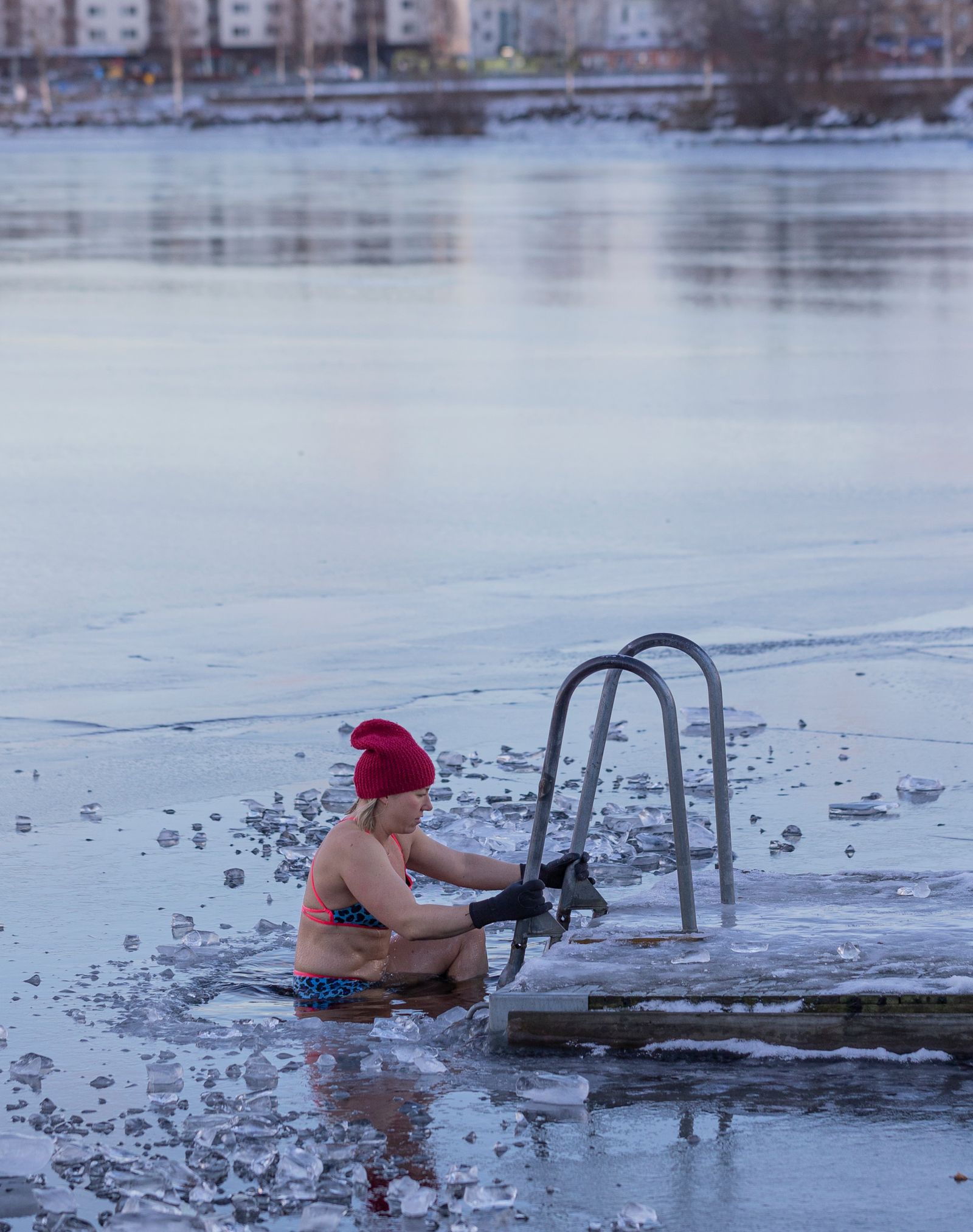
Cold exposure, including cold showers and ice baths, has some evidence supporting reduced perceived muscle soreness after high-intensity exercise, likely through reduced inflammation and swelling in the short term. It’s worth noting a caveat from strength training research more broadly: cold water immersion performed too soon after resistance training may blunt some of the muscle-building adaptation from that session, so athletes specifically training for hypertrophy sometimes time cold exposure away from their heaviest lifting days.
Where the Evidence Is Thinner
Claims about meaningful fat loss or dramatic metabolic transformation from cold showers specifically are not well supported by current research — any calorie-burning effect from brief cold exposure is real but modest, nowhere near enough to be a weight management strategy on its own.
Who Should Be Cautious
Cold showers are not appropriate for everyone. People with serious heart conditions, uncontrolled high blood pressure, or Raynaud’s phenomenon should talk to a doctor before trying cold water exposure, since the sudden cardiovascular response (increased heart rate and blood pressure) can pose real risk for these groups. Cold exposure is not a substitute for any prescribed medical treatment.
Frequently Asked Questions
How cold and how long should a cold shower be? There’s no single validated protocol; studies vary widely, but a common practical approach is finishing a normal shower with 30 seconds to 2-3 minutes of cold water, gradually increasing duration as tolerance builds.
Is an ice bath necessary, or does a cold shower work too? Most of the research cited here used showers specifically, not full ice baths, so a cold shower is a reasonable and more accessible way to get similar effects.
Can cold showers replace treatment for depression or anxiety? No — the mood benefits are real but modest and short-term; cold exposure should be considered a complementary habit, not a replacement for therapy or prescribed treatment for a diagnosed mental health condition.
What Actually Happens in the Body
Cold water exposure triggers an immediate, well-documented physiological response: a surge of stress hormones including norepinephrine and adrenaline, increased alertness, faster breathing, and elevated heart rate, essentially an acute stress response that most people describe as an intense jolt of wakefulness. This response is genuinely measurable and reliable, which is why cold showers have a real, evidence-backed reputation for boosting alertness and mood in the short term, some research has found norepinephrine levels increase substantially following cold water immersion, a plausible mechanism behind the commonly reported mood-lifting and energizing effect.
Where the evidence gets considerably thinner is around the more ambitious claims that have grown around cold exposure, significant fat loss, major immune system enhancement, or substantial long-term metabolic transformation, claims that go well beyond what the current research, which is generally limited to small studies with modest, short-term outcome measures, can actually support.
What the Research Does and Doesn’t Support
One of the more frequently cited studies on cold showers found a modest reduction in self-reported sick-day absence from work among regular cold shower users, though the effect on actual objectively measured immune markers was less clear, and the study’s authors were appropriately cautious about overstating the finding given its methodology and modest effect size. For athletic recovery, cold water immersion has decent evidence for reducing perceived muscle soreness after intense exercise, but as noted in broader recovery research, it may also blunt some of the muscle adaptation signaling from strength training specifically, making it a more clearly appropriate tool after endurance events than as a routine practice following every strength workout aimed at building muscle.
Claims around significant, lasting fat loss from cold exposure rely partly on the genuine phenomenon of brown fat activation (a type of fat tissue that generates heat by burning calories), but the actual calorie impact from typical cold shower exposure is quite modest compared to what would be needed to meaningfully affect body weight, making this one of the more overstated claims in cold exposure marketing relative to the underlying research.
A Reasonable Way to Approach It
Cold showers are a low-cost, low-risk practice for most healthy people, and the well-supported short-term alertness and mood benefits are a reasonable reason to try them if they sound appealing, without needing to buy into the more exaggerated claims to get genuine value from the practice. People with cardiovascular conditions should be more cautious, since the sudden increase in heart rate and blood pressure from cold exposure carries genuine risk for those with existing heart conditions, and checking with a doctor before starting is a reasonable precaution for anyone in that situation rather than assuming a wellness trend is universally safe.
Sources
- “The Effect of Cold Showering on Health and Work: A Randomized Controlled Trial,” PLOS ONE
- “Regular cold shower exposure modulates humoral and cell-mediated immunity,” ScienceDirect
- NIH (National Institutes of Health)
Final Thoughts
Cold showers have real, research-supported benefits for mood, alertness, sick-day frequency, and post-exercise soreness — just not the dramatic fat-loss or cure-all effects sometimes claimed. For most healthy people, a short cold finish to a regular shower is a low-cost habit worth trying, with genuine (if modest) evidence behind it.
This article is for general educational purposes and is not a substitute for personalized medical advice. If you have a heart condition or circulatory disorder, consult a doctor before trying cold water exposure.
About the Author
This article was written and reviewed by Ethan Brooks, focused on translating public health information into clear, practical guidance for everyday readers. If you spot an error or have a correction, please contact us.