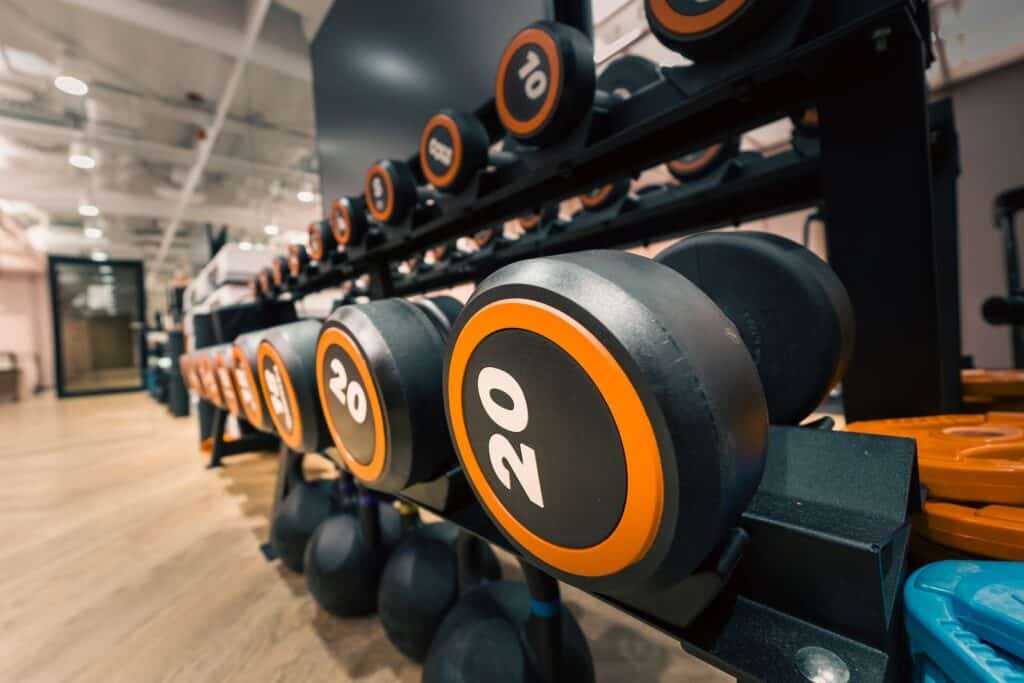
Most fitness programs, no matter how different they look on the surface, rely on the same underlying principle to produce results: progressive overload. It is the idea that a body only adapts, gets stronger, builds muscle, improves endurance, when it is asked to do slightly more than it is used to. Without that gradual increase in demand, the body has little reason to change.
If you are not sure whether a set was actually hard enough to count, pairing this with a simple tool like RPE (rate of perceived exertion) can help you gauge effort more precisely.
What Progressive Overload Actually Means
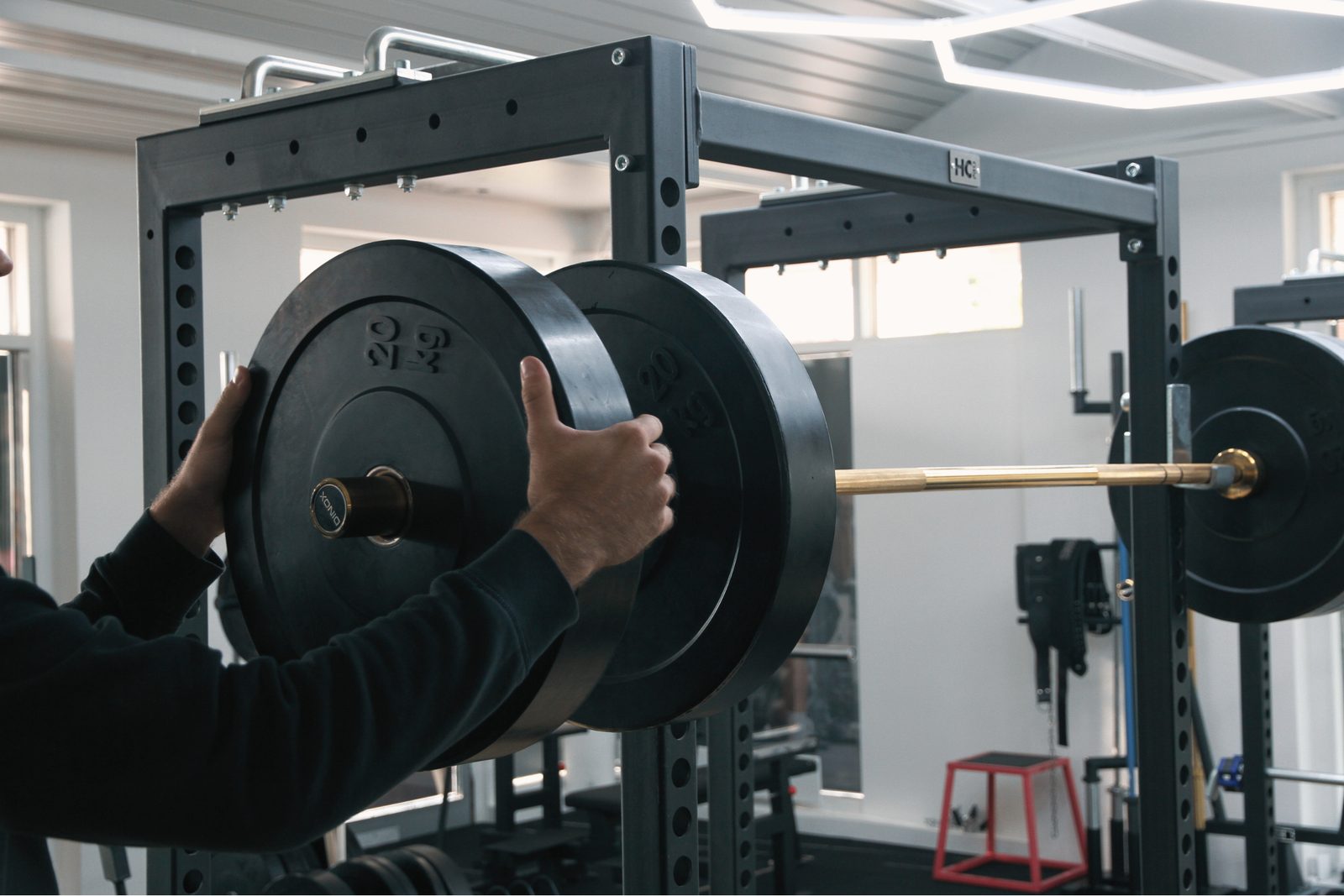
In practice, progressive overload does not require adding weight to a bar every single session. It can take several forms: lifting slightly more weight, doing one or two more reps with the same weight, adding an extra set, resting less between sets, or improving how well a movement is performed. Any of these increases the demand placed on the muscles and connective tissue, which is what signals the body to adapt over time.
The key word is gradual. Trying to add too much too quickly, whether that is weight, volume, or intensity, is one of the most common causes of injury and burnout in people who are new to structured training. Small, consistent increases tend to produce better long-term results than aggressive jumps followed by setbacks.
Why It Applies Beyond Strength Training
Progressive overload is usually discussed in the context of lifting weights, but the same principle drives improvement in cardiovascular fitness, too. A runner who gradually increases weekly mileage or pace, or a cyclist who slowly extends ride duration, is applying the same idea: asking the body to handle more than it currently can, in small enough steps that it can actually adapt rather than break down.
This is also why fitness progress tends to slow down over time for anyone, regardless of how hard they train. Early on, almost any consistent effort produces visible results because the body has so much room to adapt. As someone gets closer to their physical potential, progress requires more precise and gradual increases in demand to keep moving forward.
Tracking Progress Without Overcomplicating It

Applying progressive overload does not require a complicated spreadsheet, though writing down weights, reps, and sets does make it much easier to see whether a program is actually working. A simple log, even a note on a phone, that tracks a few key numbers from session to session is usually enough to notice patterns: whether strength is trending up, whether a particular movement has stalled, or whether recovery seems to be lagging behind training demands.
A stall in progress is not automatically a problem. Plateaus are a normal part of training, and pushing harder is not always the right response. Sometimes the more useful adjustment is a short period of reduced training intensity to allow full recovery, followed by a return to gradual progression. Sleep, nutrition, and stress levels all affect how well the body can adapt to training, so a plateau is sometimes better addressed outside the gym than inside it.
A Practical Starting Point
A simple next-session estimate. Only increase weight once you can complete every set at your current weight with good form.
For someone new to structured training, a reasonable approach is to pick a small number of core movements, track them consistently, and aim to improve just one variable at a time, a bit more weight, one more rep, or slightly better form, every week or two rather than every session. That pace feels slow in the moment but tends to compound into significant progress over months, which is a far more sustainable way to train than chasing rapid results that are difficult to maintain.
The mistake almost never looks like laziness. It looks like someone who added weight every single week for a month, felt proud of the streak, and then wondered why their shoulder started aching or why a lift that used to feel controlled suddenly felt shaky. Progressive overload rewards patience precisely because the body adapts on its own timeline, not on the timeline a spreadsheet suggests is possible.
Common Mistakes That Slow Progress
One frequent mistake is changing too many variables at once, adding weight, more reps, and less rest in the same session, which makes it hard to tell what actually caused a good or bad result. Isolating one variable at a time makes progress easier to track and easier to repeat once it works.
Another common issue is chasing weight on the bar at the expense of form. Adding load to a movement that is not being performed with good technique tends to shift stress onto joints and connective tissue rather than the muscles meant to do the work, which raises injury risk without necessarily building strength any faster. Slowing down and mastering a lighter version of a movement first almost always pays off over the long run.
Finally, many people underestimate how much recovery matters to the process. Progressive overload works because the body adapts to stress during rest, not during the workout itself. Skipping sleep, under-eating, or training the same muscle groups too frequently without adequate recovery time can stall progress just as effectively as not training hard enough in the first place.
Anyone returning to exercise after an injury, surgery, or a long break should apply progressive overload more conservatively and ideally with guidance from a physical therapist or qualified trainer, since the right starting point and pace can vary significantly based on individual history.
