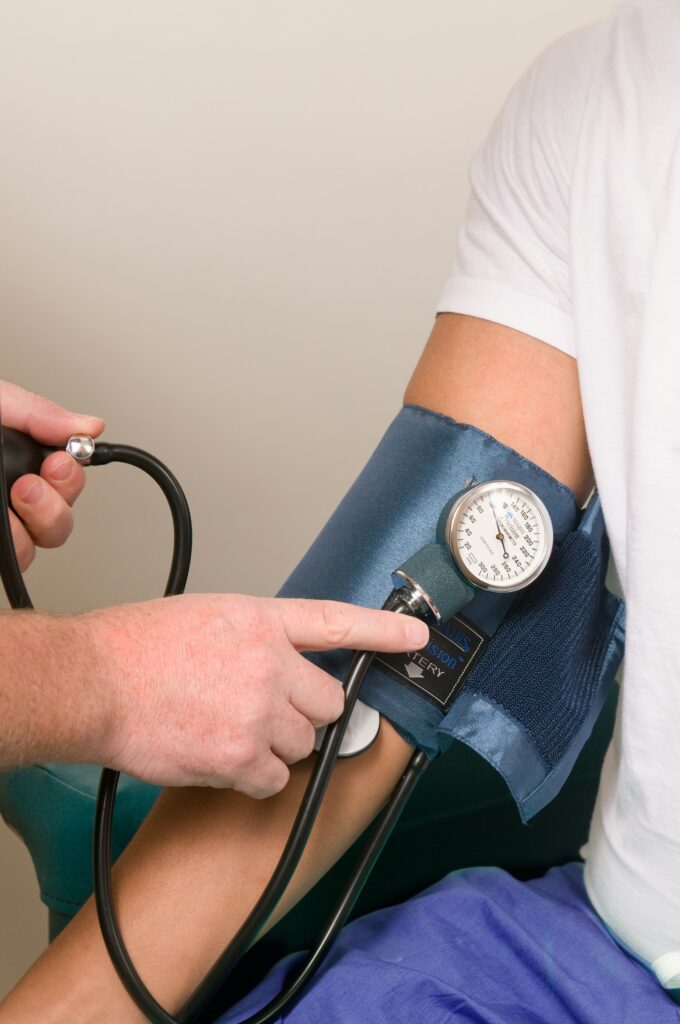
High blood pressure, or hypertension, rarely causes noticeable symptoms, which is part of why it is often called a “silent” risk factor for heart disease and stroke. Our guide to understanding your blood pressure numbers covers what systolic and diastolic readings mean and how the American Heart Association categorizes them. This article focuses on a different question: for people with mildly elevated readings, what lifestyle changes actually have research behind them?
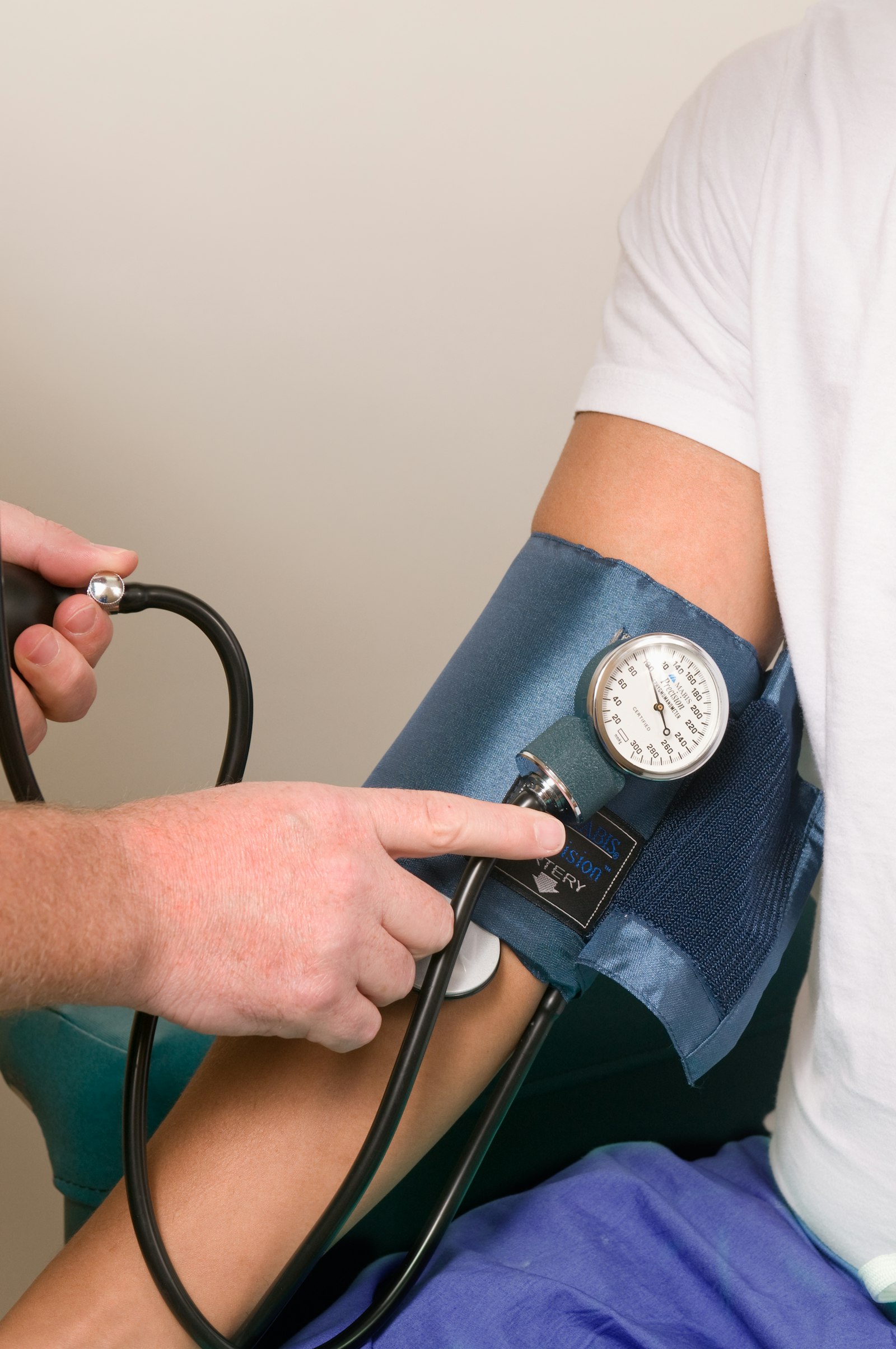
An Important Note Before Getting Into Specifics
This article covers general lifestyle strategies associated with healthier blood pressure in research. It is not a treatment plan, and it does not replace medical care. If you have been diagnosed with hypertension, are taking blood pressure medication, or have a reading in the Stage 2 or hypertensive crisis range, talk with a doctor before making significant changes, and never stop or adjust medication without medical guidance.
Reduce Sodium, Realistically
Sodium intake is one of the most consistently studied dietary factors linked to blood pressure. Most excess sodium in American diets comes from packaged and restaurant food rather than the salt shaker, which is why label-reading matters more than most people expect. Our guide to where sodium actually comes from breaks down where it hides and what a reasonable daily limit looks like.
Regular Physical Activity
The American Heart Association’s Life’s Essential 8 framework identifies regular physical activity as one of the core pillars of healthy blood pressure. About 150 minutes of moderate activity per week, such as brisk walking, is the general benchmark, and consistency over time appears to matter more than any single intense workout.
Limit Alcohol
Higher alcohol intake is associated with higher blood pressure in research, and cutting back is one of the more directly actionable changes for people who drink regularly.
Manage Weight, If Relevant
Excess body weight is associated with higher blood pressure, and even modest weight loss has been linked to measurable improvements in some studies. This is highly individual, and not everyone with elevated blood pressure is overweight, so this is one factor among several rather than a universal fix.
Prioritize Sleep and Stress Management
Poor sleep and chronic stress are both associated with less favorable blood pressure readings over time. These factors are harder to change than diet or exercise for many people, but they are part of the same overall picture the American Heart Association highlights in its cardiovascular health guidance.
What About Potassium-Rich Foods?
Diets rich in fruits, vegetables, and potassium, such as the DASH (Dietary Approaches to Stop Hypertension) eating pattern, are commonly recommended alongside sodium reduction. This is a broader dietary pattern rather than a single food or supplement, and it works alongside, not instead of, the other habits above.
Frequently Asked Questions
Can lifestyle changes alone lower blood pressure enough to avoid medication?
For some people with mildly elevated readings, yes, but this varies by individual and should be discussed with a doctor rather than decided independently, especially for anyone already on medication.
How quickly do these changes typically affect blood pressure?
This varies considerably by individual and by which changes are made, and consistent tracking over weeks to months, ideally with guidance from a healthcare provider, gives a clearer picture than a single reading.
Is home blood pressure monitoring worthwhile?
Many healthcare providers encourage home monitoring for people managing blood pressure, since it can reveal patterns a single office visit might miss. Ask your doctor for guidance on proper cuff use and how often to check.
The Bottom Line
Sodium reduction, regular activity, moderate alcohol intake, weight management where relevant, and adequate sleep are the lifestyle factors with the strongest evidence behind them for supporting healthy blood pressure. None of them require dramatic, all-at-once changes, and a doctor can help prioritize which ones matter most for your specific numbers.
Sources
- American Heart Association — Life’s Essential 8, How to Manage Blood Pressure
- National Heart, Lung, and Blood Institute (NHLBI) — DASH eating plan
