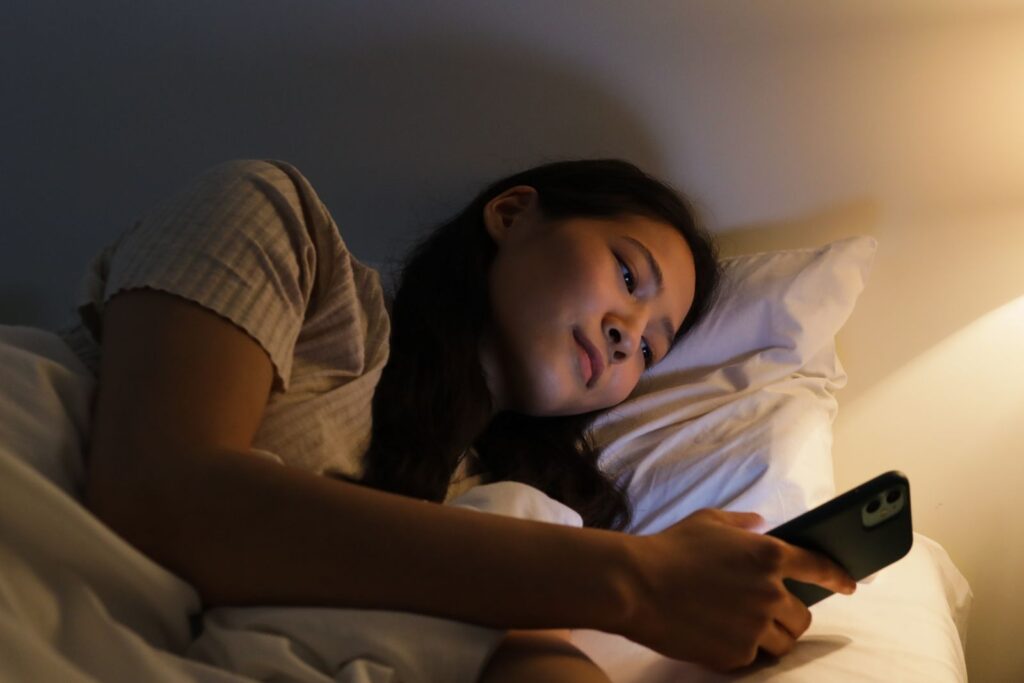
The blue light from phone and tablet screens gets a lot of attention, but the bigger sleep disruptor for most people is simpler: mental stimulation. Scrolling social media, replying to messages, or watching something engaging keeps your brain alert right when it should be winding down, and that effect persists regardless of screen brightness settings or night mode.
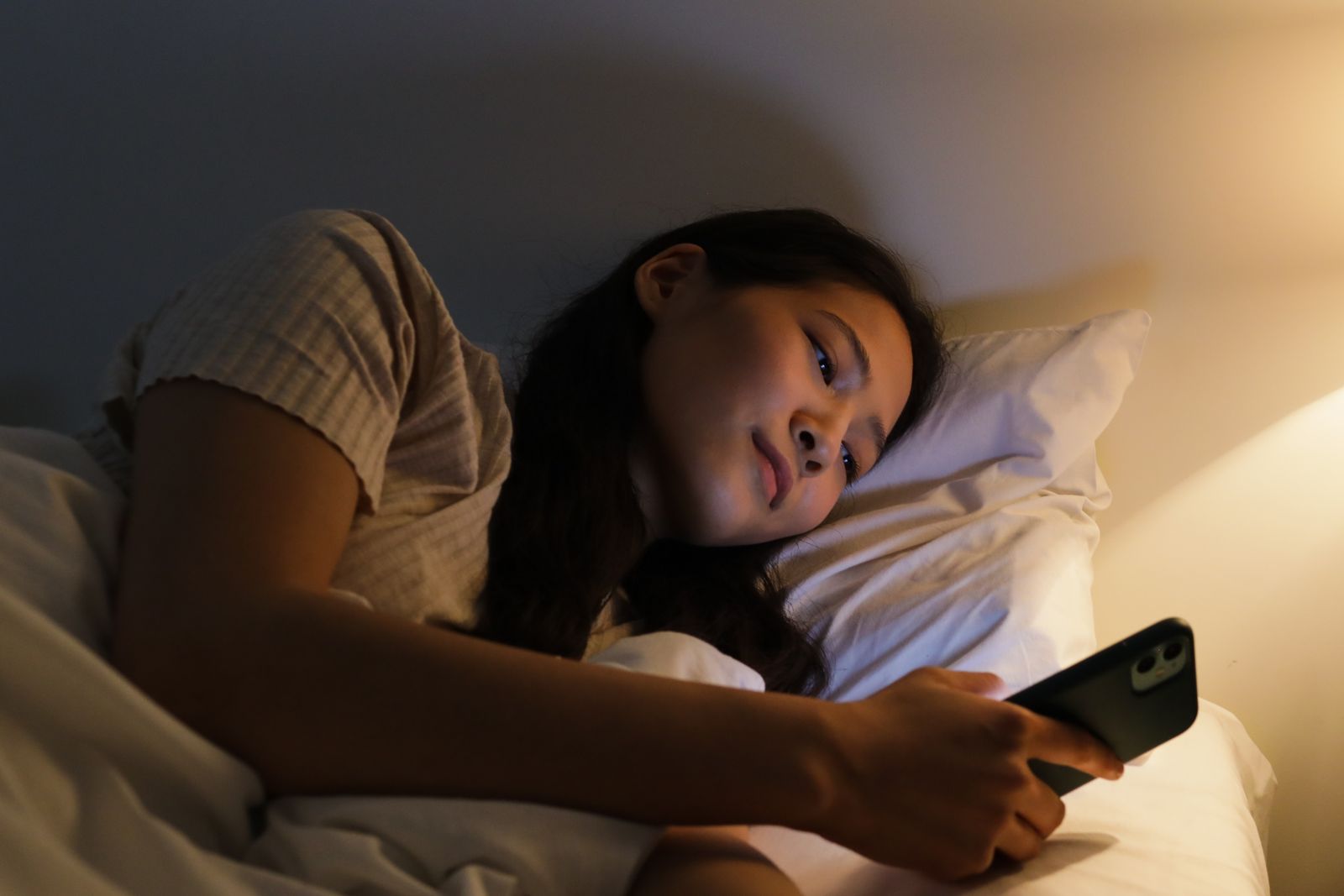
What a Digital Detox Before Bed Actually Means
A pre-sleep digital detox doesn’t have to mean giving up screens entirely. Most sleep researchers recommend a screen-free buffer of roughly 30-60 minutes before your target bedtime. During that window, the goal is to let your mind shift out of the alert, reactive mode that scrolling and messaging tend to produce, and into something calmer.
Why This Window Matters
- Light exposure: screens, especially at close range, suppress melatonin production somewhat, delaying the body’s natural signal that it’s time to sleep
- Mental arousal: engaging content, notifications, and back-and-forth conversations activate attention and stress responses that work against relaxation
- Habit and association: using your phone in bed regularly can train your brain to associate the bed with wakeful activity rather than sleep

Practical Ways to Build the Habit
- Charge your phone outside the bedroom, or across the room instead of on the nightstand
- Set an automatic “wind-down” notification 30-60 minutes before bedtime as a cue to put devices away
- Swap the last screen activity of the day for something analog: reading a physical book, light stretching, or journaling
- Use grayscale mode or Do Not Disturb if you must keep your phone nearby for alarms
- If you use your phone as an alarm clock, consider a separate alarm clock so the phone can stay out of the bedroom entirely
Frequently Asked Questions
Does night mode or a blue-light filter solve the problem? It helps with the light-exposure piece, but not the mental-stimulation piece — scrolling an engaging feed in night mode can still keep you alert well past when you meant to fall asleep.
What if I need my phone for a wind-down meditation app? Using a screen briefly for a calm, low-stimulation purpose (a guided meditation, quiet music) is a different use pattern than open-ended scrolling, and is generally less disruptive.
What Screens Actually Do to Your Ability to Fall Asleep
Two separate mechanisms are at work when you scroll in bed. The first is light: screens emit blue-enriched light that suppresses melatonin, the hormone that signals to your brain that it’s time to sleep, more effectively than warmer, dimmer light does. The second, and arguably larger, effect is cognitive and emotional arousal. A stressful email, an engaging video, or an argument in a group chat activates your nervous system in a way that works directly against the physical and mental wind-down sleep requires, regardless of the light involved. This is why even reading on a dim, night-mode screen can still delay sleep if the content itself is stimulating.
Research on screen use before bed consistently links it to longer time-to-fall-asleep and lighter, more fragmented sleep, though the effect size varies a lot by person and by what’s actually on the screen. Passive, low-stimulation content affects sleep less than open-ended scrolling through short-form video or work email, which tends to be the most disruptive category because it combines light exposure, cognitive engagement, and often genuine stress.
What a Realistic Digital Detox Looks Like
You don’t need a rigid two-hour screen ban to see a benefit. Even a 30 to 60 minute buffer between your last screen session and lights-out gives melatonin release time to get back on track and gives your nervous system a chance to downshift. What you do during that window matters more than most people expect: replacing scrolling with something equally passive, like reading a physical book, light stretching, or a low-key conversation, tends to work far better than simply telling yourself to “not look at your phone,” which often just creates a different kind of restless waiting.
If a full detox isn’t realistic, two smaller changes tend to have an outsized effect: switching your device to night mode or a warm color filter in the evening, and moving genuinely stressful apps, like work email or news, out of your last hour before bed even if other screen use continues. This captures a meaningful share of the benefit without requiring an all-or-nothing habit change.
Signs the Habit Is Worth Prioritizing
Not everyone needs to treat this as urgent. If you fall asleep within 15-20 minutes most nights and wake up feeling reasonably rested, your current screen habits likely aren’t the bottleneck, and other factors like caffeine timing, room temperature, or an inconsistent schedule probably matter more. The clearest signal that screens specifically are the problem is a pattern where you feel physically tired but “wired” once you’re in bed with your phone, take noticeably longer to fall asleep on nights with heavy late-evening scrolling compared to nights without it, or notice your mind racing with content from what you just watched or read.
Tracking this for even a week, noting rough screen-off time and how long it took to fall asleep, tends to make the pattern obvious one way or the other, which is more useful than guessing based on general advice that a digital detox helps everyone equally.
A practical rule of thumb: if you can’t remember the last time you fell asleep within a few minutes of putting your phone down, that’s worth paying attention to, since the fix is usually a small scheduling change rather than a major lifestyle overhaul.
Sources
- Sleep Foundation — How Blue Light Affects Sleep
- National Institute of General Medical Sciences — Circadian Rhythms
- NHLBI (National Heart, Lung, and Blood Institute)
- NIH (National Institutes of Health)
Final Thoughts
A 30-60 minute screen-free buffer before bed is a small, specific change with an outsized effect on how quickly and easily you fall asleep. It’s less about willpower and more about setting up the right conditions in advance, like charging your phone somewhere other than your nightstand.
About the Author
This article was written and reviewed by Maya Chen, focused on translating public health information into clear, practical guidance for everyday readers. If you spot an error or have a correction, please contact us.