Fiber has a branding problem. It sounds like the nutrient your grandmother worried about, not something that actually moves the needle on heart disease, blood sugar, and gut health. But the data is hard to argue with: fewer than 5% of adults in the United States hit their daily fiber target, and the gap between what we eat and what we need is one of the most consistent shortfalls in the American diet.
The confusing part is that fiber recommendations are usually given as a single flat number, like “25 grams a day,” without accounting for the fact that a 70-year-old man and a pregnant 28-year-old have very different needs. Here’s what the actual guidelines say, broken down by who you are, plus why the number matters more than most people realize.

What Fiber Actually Does In Your Body
Fiber is the part of plant food your body can’t digest, and that’s precisely the point. Soluble fiber dissolves into a gel-like substance in the gut, which slows digestion, blunts blood sugar spikes, and binds to cholesterol particles so they’re excreted instead of absorbed. Insoluble fiber doesn’t dissolve at all; it adds bulk to stool and speeds up how quickly food moves through the digestive tract, which is the main reason fiber is tied to regularity.
Fiber also feeds the bacteria living in your colon. Certain fibers, sometimes called prebiotics, are fermented by gut bacteria into short-chain fatty acids, which have been linked to reduced inflammation and better metabolic health. This is one of the more active areas of nutrition research right now, and it’s a big part of why fiber’s reputation has shifted from “keeps you regular” to “foundational for long-term health.”
How Much Fiber You Actually Need
The Institute of Medicine sets fiber intake as an Adequate Intake (AI) rather than a strict RDA, based on a general rule of about 14 grams per 1,000 calories consumed. In practice, that works out to these daily targets:
- Women 19-50: 25 grams per day
- Men 19-50: 38 grams per day
- Women 51+: 21 grams per day
- Men 51+: 30 grams per day
- Pregnancy: 28 grams per day
- Breastfeeding: 29 grams per day
- Children 4-8: 25 grams per day
- Boys 9-13: 31 grams per day
- Girls 9-18: 26 grams per day
Notice that the target actually drops slightly after age 50. That’s not because older adults need less fiber for health, it’s because the calorie-based formula assumes lower overall energy intake with age. Many clinicians still recommend older adults aim toward the higher end of the range given fiber’s role in cardiovascular and colon health.
Calculate Your Personal Fiber Target
Soluble vs Insoluble: Do You Need Both?
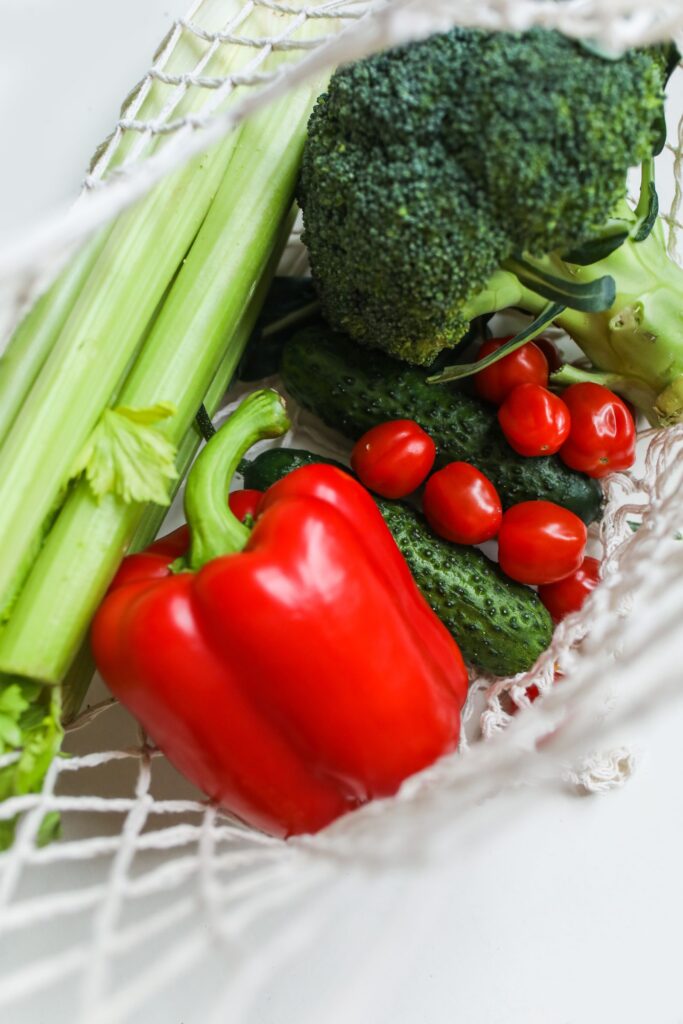
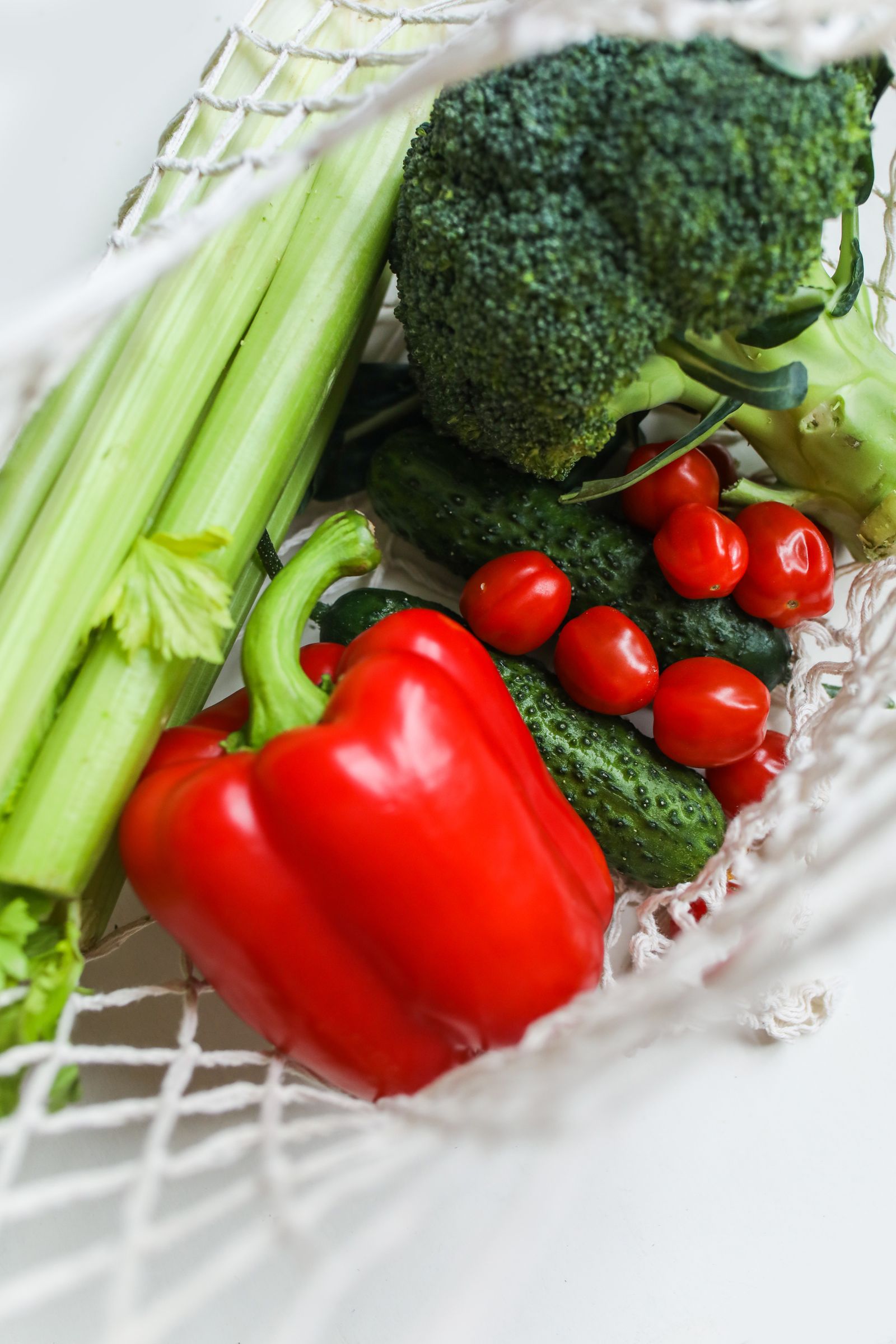
Yes, and most whole foods actually contain a mix of both rather than being purely one type. Oats, beans, apples, and citrus fruits are relatively rich in soluble fiber. Whole wheat, nuts, and the skins of many vegetables lean insoluble. Rather than trying to separately track each type, the more practical approach is to eat a wide variety of whole plant foods: vegetables, fruit with the skin on, legumes, and whole grains. Variety across food groups tends to naturally balance the two types.
Good Sources, Ranked by Practicality
- Lentils and beans: roughly 7-8 grams per half-cup cooked, among the most concentrated sources available
- Raspberries: about 8 grams per cup
- Avocado: around 10 grams per whole fruit
- Whole oats: about 4 grams per cup cooked
- Chia seeds: nearly 10 grams per ounce (about 2 tablespoons)
- An apple or pear with the skin on: 4-6 grams
- Whole wheat bread: 2-3 grams per slice, versus under 1 gram for white bread
If you’re currently eating well below target, increase fiber gradually over a couple of weeks rather than all at once, and drink enough water alongside it. Jumping from 12 grams to 35 grams overnight is the most common reason people quit high-fiber diets: the bloating and gas are real, but they’re a transition issue, not a permanent one, for most people.
Why the Gap Is So Persistent
Refined grains, which have had the fiber-rich bran and germ removed, make up the majority of grain servings in a typical American diet. Fruits and vegetables are also consistently under-consumed relative to dietary guidelines. Fiber isn’t hard to get in theory, but it requires deliberately choosing whole, minimally processed plant foods over their refined counterparts at most meals, which is a bigger behavioral shift than it sounds.
Frequently Asked Questions
Can you get too much fiber? It’s uncommon from food alone, but very high intakes, especially from supplements, can cause bloating, gas, or interfere with mineral absorption. There’s no established Tolerable Upper Intake Level, but most clinicians suggest increasing gradually and prioritizing food sources over supplements.
Do fiber supplements work as well as food? Supplements like psyllium husk can help close a specific gap and have real evidence behind them for cholesterol and regularity, but they don’t provide the vitamins, minerals, and plant compounds that come packaged with whole food fiber sources.
Does cooking destroy fiber? No. Cooking can soften fiber and make it easier to eat in larger quantities, but it doesn’t meaningfully break down the fiber content itself.
Sources
- National Institutes of Health, “Closing America’s Fiber Intake Gap,” National Library of Medicine
- Cleveland Clinic, “How Much Fiber Do You Need Per Day?”
- Academy of Nutrition and Dietetics, “Easy Ways to Boost Fiber in Your Daily Diet”
- National Academies of Sciences, Dietary Reference Intakes for macronutrients
Final Thoughts
Fiber targets aren’t arbitrary, they scale with your calorie needs, and most of us are eating roughly half of what we should. The fix isn’t a supplement or a single superfood, it’s shifting the balance of a normal day toward whole plant foods: leaving the skin on fruit, choosing beans over half your usual meat portion a few times a week, and picking whole grains over refined ones. Small, consistent swaps close the gap faster than any single dramatic change.
This article is for general educational purposes and is not a substitute for personalized medical advice.
About the Author
This article was written and reviewed by Maya Chen, focused on translating public health information into clear, practical guidance for everyday readers. If you spot an error or have a correction, please contact us.